Fun Hand Tracing Drawing for Kids: Easy Step-by-Step Tutorials
Hand tracing drawing for kids is a timeless activity that transforms a simple outline into a memorable keepsake. This process involves placing a child’s hand on paper and carefully tracing the distinct shapes of their fingers and palm. The result is a personalized silhouette that serves as a foundation for creativity, requiring only basic supplies like paper, a pencil, and a willing youngster. By capturing the unique contours of a child’s hand, this activity provides an immediate, tangible representation of their growth, making it a favorite among parents and educators looking for a quick yet meaningful project.
The Developmental Benefits of Hand Tracing
Beyond creating a charming piece of art, hand tracing offers significant benefits for a child’s development. The act of holding a pencil and following the curve of a line helps refine the pincer grasp and strengthens the small muscles in the hand and fingers. This practice is essential for building the foundational skills required for future writing proficiency. Furthermore, the coordination needed to keep the paper steady while the other hand moves the pencil enhances bilateral integration, which is crucial for a child’s overall motor skill development.
Enhancing Focus and Concentration
For young children, maintaining focus can be a challenge, yet hand tracing naturally encourages them to pay attention to the task at hand. They must observe the specific shape of their hand and concentrate on replicating it accurately on the page. This process fosters patience and discipline, teaching kids to focus on a single activity for a short, manageable period. The gentle demand for concentration makes it an excellent preparatory activity for more structured learning environments.


Simple and Accessible Art Supplies
One of the greatest advantages of this activity is its accessibility; it does not require a trip to the art store or a messy cleanup. A standard No. 2 pencil and a sheet of printer paper are often sufficient to get started. For younger children who may struggle with a standard pencil, chunky crayons or washable markers are excellent alternatives that are easy to grip. The low barrier to entry means the creative fun can begin immediately, whether at home or in a classroom setting.
| Recommended Supplies | Benefit for Children |
|---|---|
Transforming the Outline into Art
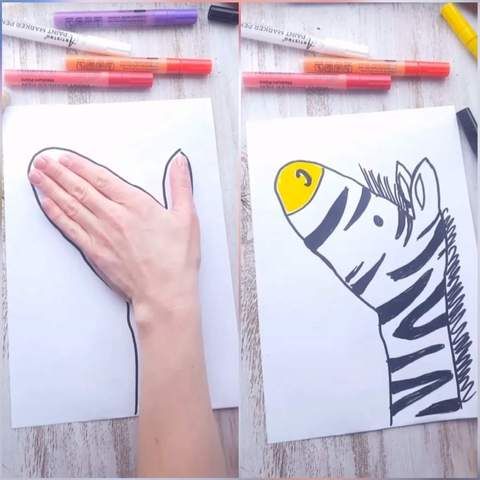
Once the outline is complete, the activity evolves from tracing to imagination, allowing the child to personalize their creation. They might turn their fingers into colorful caterpillars, decorate the palm as a friendly robot, or add whimsical patterns to the fingers. This stage is where the real magic happens, as the child’s personality shines through their color choices and drawings. It bridges the gap between following a guide and independent artistic expression, giving them ownership of the final piece.


Ideas for Creative Variations
To keep the experience fresh, consider introducing small narrative elements or themes. You might suggest turning the hand into a tree in a forest, with the fingers as leaves, or a fiery dragon breathing colorful flames. Asking open-ended questions like "What does your hand drawing remind you of?" can spark incredible stories and detailed artwork. This flexibility ensures the activity remains engaging for a wide range of ages and interests, from toddlers to older children.
Creating Lasting Memories
Hand tracing drawings are more than just pages on a wall; they are concrete records of a specific moment in a child’s life. Comparing a tracing from the age of three to one from six reveals the incredible growth of their hands and the refinement of their artistic skills. Families often treasure these collected pieces in a scrapbook, creating a visual timeline of their child’s development. The process is a beautiful way to document a fleeting stage of childhood with love and intention.
Incorporating Learning Opportunities
Educators and parents can easily weave educational concepts into the hand tracing process to add depth to the fun. For toddlers, use the activity to practice identifying and naming each finger, turning it into a playful anatomy lesson. With school-aged children, the outline can become a math tool, where they measure the length of their fingers or calculate the perimeter of their traced shape. This integration of art with other subjects helps reinforce learning in a relaxed and enjoyable manner.


Related Articles

Barbie Tracing Drawing: Easy Step-by-Step Tutorials for Kids
The art of Barbie tracing drawing offers a unique bridge between structured skill development and creative expression for aspiring artists. This specific...

Easy Tiger Tracing Drawing: Step-by-Step Guide for Kids
Tracing the majestic form of a tiger on paper is a rewarding pursuit that connects artists with the raw power and elegance of the natural world. This timeless...

Easy Cow Tracing Drawing for Kids – Step-by-Step Fun Art Tutorial
For artists, educators, and parents seeking a simple yet profound creative outlet, cow tracing drawing stands out as a timeless exercise. This activity...

Easy Horse Tracing Drawing: Step-by-Step Guide for Kids
The art of horse tracing drawing serves as a foundational exercise for anyone looking to master the depiction of one of nature’s most majestic creatures. This...
Easy Animal Drawings by Tracing Your Hand: Step-by-Step Guide
Returning to the fundamentals of art is often the most effective way to unlock new creative potential. The practice of drawing animals by tracing your hand...

Free Tracing Drawing Tutorials: Easy Step-by-Step Lessons
Tracing drawing free resources have become a cornerstone for artists, educators, and hobbyists looking to refine their skills or create stunning visuals...