Free Printable Rhyming Words Worksheet for Kindergarten – Fun Learning Activities
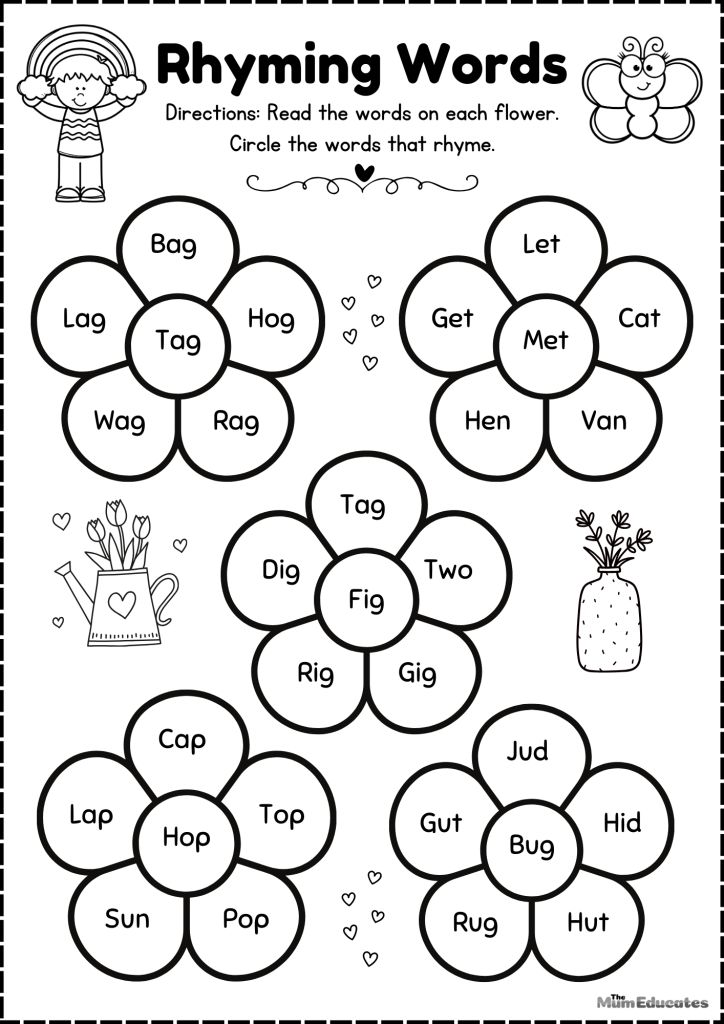
Free printable rhyming words worksheets for kindergarten represent a cornerstone resource for early literacy development. These engaging tools transform the abstract concept of sound patterns into a concrete, hands-on activity that captures a child's imagination. By focusing on the ending sounds of words, these worksheets build the fundamental phonological awareness necessary for future reading and spelling success. For educators and parents seeking no-cost, high-impact learning materials, these resources offer immediate value without sacrificing quality.
Why Rhyming is Crucial for Kindergarteners
Before a child can decode individual letters, they must first understand how sounds work within words. Rhyming exercises are the perfect gateway to this understanding, requiring children to listen critically and identify shared sound patterns. This specific skill directly correlates with a child’s ability to segment words into their individual phonemes, a process essential for decoding new vocabulary. A dedicated rhyming words worksheet provides the structured practice needed to strengthen these neural pathways in a way that feels like play rather than formal instruction.
Benefits of Free Printable Worksheets
The accessibility of free resources has revolutionized early education, allowing every teacher and caregiver to deliver tailored learning experiences. Unlike rigid curriculum packets, printable worksheets offer instant customization; you can select specific rhyming families or adjust difficulty on the fly. Furthermore, the tactile experience of pencil on paper supports the development of fine motor skills, creating a multi-sensory learning environment. Below is a quick comparison of digital versus printable formats for rhyming practice:


| Feature | Printable Worksheet | Digital App |
|---|---|---|
| Cost | Free (printing cost) | Often subscription-based |
| Fine Motor Practice | High (writing and coloring) | Low (screen tapping) |
| Screen Time | Zero | High |
Versatility in the Classroom
A single rhyming worksheet can serve multiple educational purposes, making it an efficient tool for any kindergarten schedule. Use it as a quiet time activity for individual reinforcement, a center station for small group collaboration, or a take-home assignment for parental engagement. The flexibility of these printable sheets means they grow with the student, providing a consistent format for learning while the complexity of the vocabulary increases.
Practical Implementation Strategies
To maximize the effectiveness of these worksheets, integration is key. Rather than treating the worksheet as a solitary task, frame it as part of a broader literacy ecosystem. Begin the lesson by reading a rhyming storybook, sing a song with repetitive rhymes, and then use the worksheet to solidify the identified patterns. This "I do, we do, you do" approach ensures that the abstract task of matching words feels like a logical extension of a familiar game.


Tips for Differentiated Learning
Not all kindergarteners grasp rhyming at the same pace, and free worksheets allow you to meet every child where they are. For advanced students, consider asking them to generate a second rhyme for the pictured word, pushing them beyond recognition into production. For students needing more support, provide a word bank of rhyming options to choose from, or pair them with a peer for collaborative problem-solving. The goal is to remove barriers to success while maintaining high expectations for critical thinking.
Expanding the Learning Beyond the Page
The true measure of a successful rhyming lesson is when the skill transfers off the worksheet. Encourage children to become "Rhyme Detectives" in their daily lives, pointing out rhyming pairs in the playground, during snack time, or while waiting in line. This connection between the structured worksheet and the real world cements the understanding that language is a playful, rhythmic entity. By combining the simplicity of a free printable with dynamic oral practice, you foster a lifelong love for the sounds of language.


Related Articles
Fun Rhyming Words Kindergarten Worksheet – Free Printable Learning Activities
Kindergarten worksheet rhyming words exercises represent a cornerstone of early literacy development, offering young learners a playful yet structured method...

Fun Rhyming Words Worksheet for Jr KG – Free Printable Learning Activities
Introducing a rhyming words worksheet for Jr KG students is often the first significant step in a young child's literacy journey. This foundational activity...
Fun Rhyming Words Worksheet for Kindergarten Free - Printable Learning Activity
Kindergarten marks a pivotal year in a child’s linguistic development, where the fundamentals of reading and writing begin to take shape. A rhyming words...

Free Printable Family Words Worksheet for Kindergarten – Fun Learning!
For parents and educators navigating the early stages of a child's educational journey, finding engaging and effective resources is paramount. A free printable...
Free Printable Kindergarten Rhyming Worksheets – Fun Learning Activities
For parents and educators navigating the early stages of literacy development, finding engaging yet practical learning tools is essential. Free printable...
Free Printable Rhyming Words Worksheet for Kindergarten PDF
Free printable rhyming words worksheet for kindergarten pdf resources are an essential tool for early literacy development. These engaging activities help...