The Ultimate Guide to Fox Colors and Fur: Vibrant Hues Explained
Across the varied landscapes of the Northern Hemisphere, the fox colors fur presents one of nature’s most sophisticated camouflage systems. Far from being a simple genetic trait, the palette of a fox’s coat is a dynamic adaptation, a masterpiece of evolution designed for survival and communication. From the iconic rusty red of the classic red fox to the stark, ghostly white of the Arctic variant, these animals demonstrate an incredible spectrum of color morphs. Understanding these hues reveals a complex story of genetics, environment, and seasonal change that defines one of nature’s most enigmatic predators.
The Science Behind the Spectrum
The primary pigment responsible for the classic fox colors fur is melanin, specifically the red and yellow pheomelanin and the brown and black eumelanin. The intensity and distribution of these pigments are dictated by genes that regulate melanocytes, the cells that produce color. Variations in these genes create different morphs, influencing whether an individual expresses deep reds, pure whites, or striking blacks. This genetic diversity is not random; it is a direct response to environmental pressures, ensuring that the animal’s disguise aligns with its surroundings for optimal hunting efficiency and predator avoidance.
The Red Fox and Its Iconic Hue
When one envisions a fox, the image that often emerges is the red fox, the most widespread carnivore on the planet. Their fur ranges from a light golden-yellow to a deep, fiery orange, often accentuated by a striking white chest and belly. The white-tipped tail, or brush, serves multiple purposes: it acts as a warm blanket in winter, a visual signal for communication within the family group, and a counterbalance during high-speed chases. This specific combination of red and white is the archetype of the fox colors fur, symbolizing cunning and adaptability across countless cultures.


Beyond Red: Arctic and Cross Foxes
In the extreme northern regions, the fox colors fur undergoes a dramatic seasonal transformation. The Arctic fox epitomizes this change, presenting a pristine white coat in the winter that provides near-perfect camouflage against the snow. This insulation is vital for thermoregulation in temperatures that can plummet below freezing. As spring arrives, the white fur is shed to reveal a dense, thick summer coat that shifts to a smoky grey or blue-grey, offering protection against the tundra’s rocks and cliffs. This reversible coat is a stunning example of seasonal adaptation.
Similarly, the cross fox, a genetic variant of the red fox, showcases a different strategy within the fox colors fur spectrum. Instead of the dominant orange, the cross fox exhibits a darker, more subdued palette of brownish-grey fur. Its most distinguishing feature is the dark stripe running down its back, which often continues across the shoulders and flanks, creating a cross-like pattern. This darker coloration provides superior camouflage in forested environments and burned areas, allowing them to hunt effectively in shaded undergrowth where a bright red fox would be easily spotted.


Silver and Black Morphs
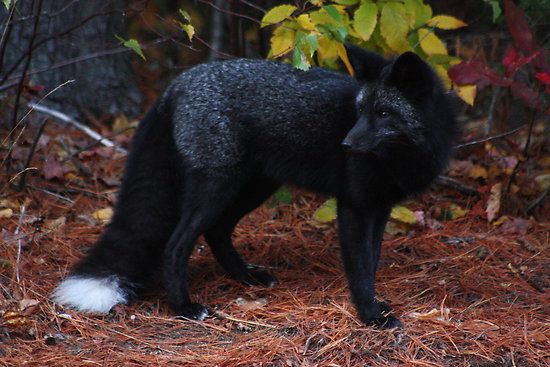
Less common but equally fascinating are the silver and black fox morphs. The silver fox is essentially a genetically selected red fox whose red fur is replaced by black-tipped hairs, creating a shimmering, silvery appearance. This variant is highly prized in the fur trade and represents a recessive genetic trait. True black foxes, while rare, possess an excess of eumelanin, resulting in a coat that appears almost charcoal grey or deep, lustrous black. These dramatic variations highlight the full range of expression possible within the genetic code of *Vulpes vulpes*.
Functional Purpose and Communication
The specific fox colors fur an individual possesses is not merely aesthetic; it serves critical functional roles. Camouflage is the primary driver, allowing foxes to blend seamlessly into their environment whether it be forest, field, or snowfield. This visual concealment is crucial for stalking prey like rodents and birds. Beyond survival, the color and condition of the fur act as a vital communication tool. During the mating season, the vibrancy of a fox’s coat can signal health and genetic fitness to potential mates, while subtle shifts in appearance can convey status or readiness to rivals within the social hierarchy.
| Morph | Common Colors | Primary Habitat |
|---|---|---|
| Red Fox | Orange, Red, White Chest | Woodlands, Grasslands, Urban |
| Arctic Fox | White (Winter), Grey/Blue (Summer) | Tundra, Snowy Regions |
| Cross Fox | Brown-grey, Dark Back Stripe | Forests, Farmlands |
| Silver Fox | Black with Silver Tips | Woodlands (Captive/Wild) |




Related Articles

The Ultimate Guide to the Color of Peacock: Vibrant Hues Explained
The color of a peacock is often misunderstood, reduced to a simple association with its most famous resident, the Indian Peafowl. In reality, the palette of a...

Vibrant Colors for Parrots: The Ultimate Guide to Choosing the Best Plumage Hues
Selecting the right color palette for your parrot is about far more than simple aesthetics; it is a fundamental aspect of their environmental design that...

The Ultimate Guide to Rose Colors Available: Vibrant Shades Explained
The language of roses is a nuanced and evocative one, with color serving as its most immediate and powerful dialect. From the passionate intensity of romance...

The Ultimate Guide to Colors of Leopard Geckos: Vibrant Patterns & Genetics
The coloration of a leopard gecko is far more than just a visual trait; it is a complex genetic blueprint that defines the very identity of these popular...

The Ultimate Guide to Snake Color Eyes: Vibrant Hues & Health Signs
The intricate world of snake color eyes reveals a fascinating array of adaptations that extend far beyond simple aesthetics. Unlike the familiar iridescence of...

Snake Zodiac Colors: Ultimate Guide to Personality & Lucky Hues
To understand the Snake zodiac is to look beyond the surface, because this sign is defined by a captivating depth that begins with its color palette. While...