The Fox Colored Mouse: Facts, Photos & Care Guide
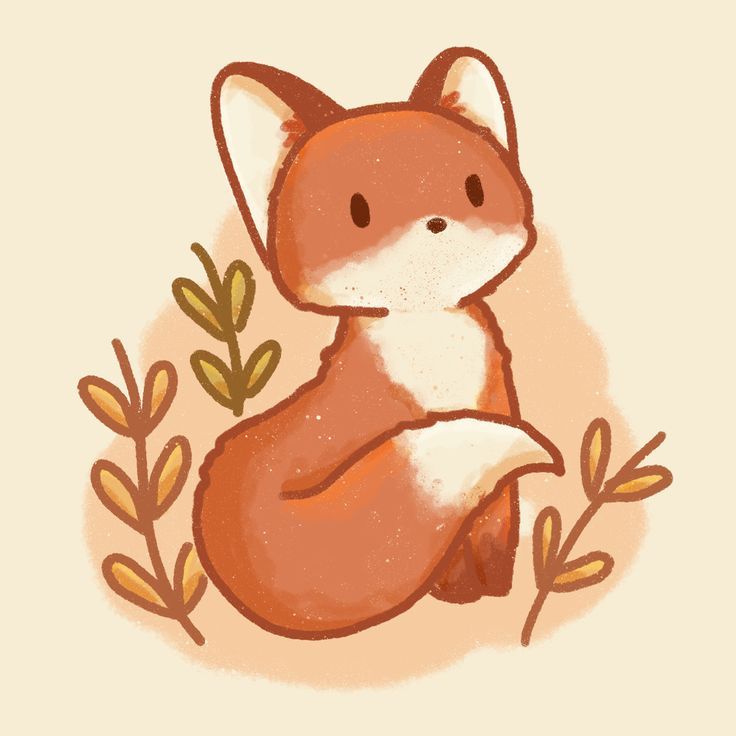
The image of a fox colored mouse immediately conjures a delightful paradox. It challenges our expectations of nature by combining the wild, fiery elegance of a fox with the familiar, unassuming form of a common rodent. This concept, whether observed in a high-quality photograph, a piece of artisan pottery, or a character within a story, captures the imagination through its unique blend of familiar and fantastical.
In the biological world, the phenomenon that closely mirrors this description is the red fox squirrel. While not a mouse, this large species of tree squirrel shares the specific color palette that defines the idea of a "fox colored" creature. Their fur ranges from a russet red to a vibrant orange, often with a contrasting white or cream underbelly and a brushy tail tipped in white or black. This rich coloration provides exceptional camouflage among the autumn leaves and dense bark of the forests they inhabit, allowing them to move with stealth despite their size.
Decoding the Fox Color Palette
When we refer to a "fox colored" palette, we are describing a specific spectrum of earthy and warm tones. This typically includes deep oranges, vibrant reds, and subtle creams, all working together to create a visually striking appearance. The genetics behind this coloration involve pigments like pheomelanin, which produces the red and yellow hues. In the context of a small rodent, this vivid coloring would make the creature highly visible, a stark contrast to the more common gray and brown shades that usually aid in hiding from predators.


The Psychology of the Color Combination
The appeal of a fox colored mouse taps into a deep-seated human fascination with contrast and rarity. We are naturally drawn to anomalies in the visual field, and a small creature exhibiting the bold colors of a predator like a fox is both unexpected and intriguing. This visual interest is leveraged in popular culture, where such a character often embodies a spirit of cunning, agility, and untamed beauty, inheriting the mythical cleverness of the fox while retaining the vulnerability associated with a mouse.
From Nature to Narrative
Beyond the realm of biology, the fox colored mouse frequently appears as a symbolic element in fiction and art. In children's stories, it might be a brave protagonist who defies expectations, using its keen wit and vibrant personality to navigate a world of larger creatures. In artistic mediums like painting or illustration, the creature serves as a powerful visual metaphor for duality—wildness tamed, strength in small packages, or the hidden fire within the seemingly ordinary.


The texture and sheen of the fur are central to capturing the essence of this concept. A true representation requires more than just a flat orange color; it needs to convey the depth and complexity of real fur. This involves subtle gradients, where the base color darkens along the back and lightens towards the chest, combined with the textural illusion of individual hairs catching the light. Achieving this level of detail transforms a simple color choice into a study in realism and artistry.
Comparisons to Other Rodents
It is helpful to distinguish the fox colored mouse from other rodents that share similar habitats or names. Unlike the common house mouse, which typically has gray or brown fur, the imagined fox colored variant is a statement of vividness. Similarly, while voles and shrews often display more muted, camouflage-focused coats, the fox coloration is a deliberate departure from the standard earth tones, signaling a character defined by personality and presence rather than discretion.
| Feature | Common Mouse | Fox Colored Mouse |
|---|---|---|
| Primary Color | Gray, Brown, Black | Orange, Red, Russet |
| Camouflage | Blends with soil and shadows | Stands out in greenery; mimics fox |
| Perceived Temperament | Timid, secretive | Cunning, bold, spirited |


Related Articles

The Ultimate Guide to the Fox Colored Cat: Facts, Photos & Care
The fox colored cat presents a fascinating intersection of wild aesthetics and domestic companionship. These felines captivate with their vibrant coats and...

The Ultimate Guide to the Blue Parrot: Facts, Care, and Stunning Photos
The color blue holds a profound and almost magical presence in the world of parrots, serving as a signature feature for some of the most beloved species. From...

The Ultimate Guide to the Green and Black Snake: Facts, Photos, and Care
The snake color green and black is a striking and common coloration pattern found in numerous species across the globe. This distinct combination often serves...

The Ultimate Guide to the White Parrot: Facts, Care, and Stunning Photos
The pursuit of the parrot color white reveals a fascinating intersection of genetics, perception, and symbolism. While often perceived as a simple absence of...

The Ultimate Guide to the Bear With Color: Facts, Photos, and Cute Coloring Pages
The phrase bear with color might initially suggest a simple description, yet it opens a fascinating window into the natural world and human design. Far from...

The Ultimate Guide to Sitka Turkey Color: Photos, Facts, and Hunting Tips
When enthusiasts discuss the majestic Sitka turkey, the conversation often centers on the bird's impressive size and elusive nature. However, a closer...