Food Spelling Worksheet: Fun Tracing Practice for Kids
Mastering the connection between spoken language and written symbols is a fundamental milestone in a child's educational journey, and this is where a focused food spelling worksheet becomes an invaluable tool. These specialized resources move beyond simple vocabulary lists, transforming common ingredients and culinary terms into engaging exercises that reinforce letter patterns and phonemic awareness. By concentrating on familiar items found in a kitchen or at a grocery store, educators and parents can create a relatable context that makes the abstract rules of spelling feel concrete and manageable for young learners.
Why Food Themed Worksheets Are Effective Learning Tools
The effectiveness of a food spelling worksheet stems from the inherent relevance of the subject matter. Children interact with food daily, which provides a rich mental database of images, smells, and tastes that they can attach to new words. This multi-sensory anchor makes it easier to translate the abstract shapes of letters into a recognizable product. Furthermore, food related terms often follow consistent phonetic rules, such as the hard "c" in "cat" or "carrot" and the silent "e" in "cake," making them excellent examples for early spelling rules.
Building Vocabulary Through Context
Beyond simply learning how to write the words, these worksheets help children categorize and understand the world around them. A worksheet might group items by section of the grocery store, such as produce or dairy, or by meal type, like breakfast or dinner foods. This contextual grouping allows children to see relationships between words, learn synonyms (like "soda" and "pop"), and build a robust vocabulary bank that they can access not just in writing tasks, but also during conversations and reading comprehension.


Practical Applications In The Classroom
For educators, a food spelling worksheet offers a high level of flexibility across different grade levels and learning objectives. In a kindergarten classroom, the focus might be on letter recognition and tracing, where students connect dots to form the word "egg" or "milk." For older students in the third or fourth grade, the same theme can be used to challenge them with more complex words like "broccoli," "strawberry," or "cupboard," addressing common patterns like "oo" sounds and consonant blends.
Differentiation Strategies
- Providing visual aids where students match the image to the word.
- Offering fill-in-the-blank exercises that require the initial sound.
- Challenging advanced students to write definitions or use the word in a sentence.
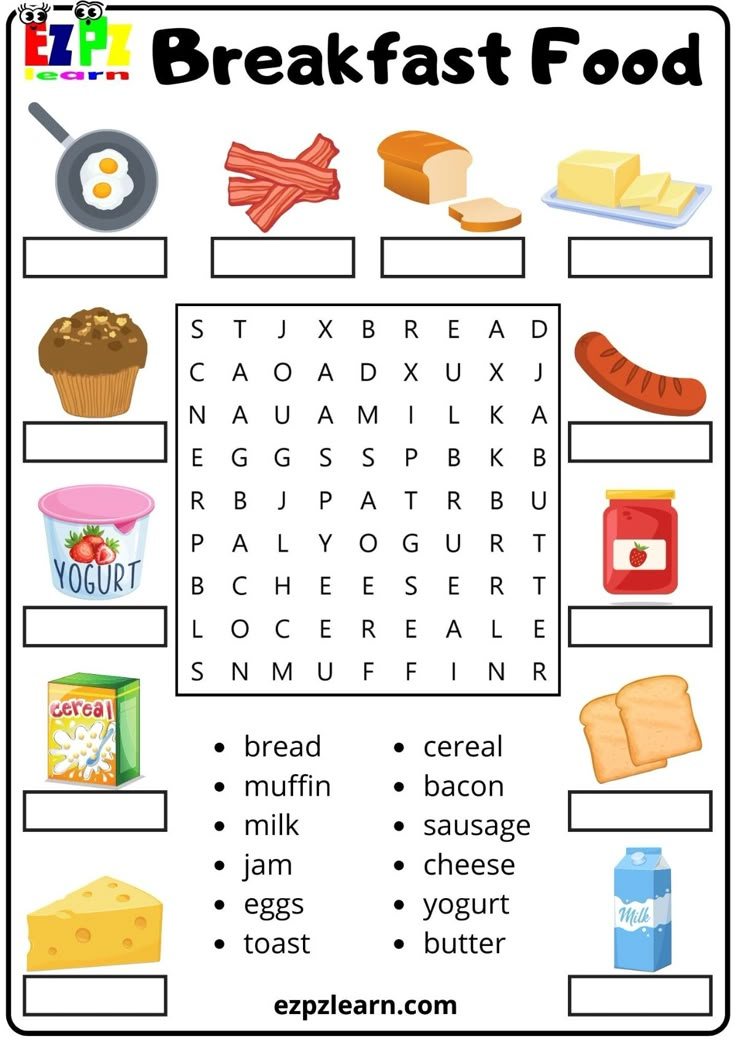
- Incorporating crosswords or word searches to reinforce the spelling through repetition.
Engaging Reluctant Learners
Not every student is motivated by traditional textbook exercises, but the tangible nature of food related words can bridge that gap. A worksheet that features colorful illustrations of a sandwich, a pizza, or a bowl of ice cream immediately captures attention. By tapping into a child's genuine interests and immediate needs, a reluctant speller may find the persistence required to master tricky spellings, such as separating the "u" and "e" in "juice" or remembering the double "ff" in "coffee."


Extending Learning Beyond The Worksheet
The goal of any educational tool should be to foster real world application, and a food spelling worksheet is no exception. Once the words are mastered on the page, the learning can transition seamlessly into the kitchen or the dining table. Parents can turn grocery shopping into a scavenger hunt, asking the child to find the item that matches the word they just practiced writing. This reinforcement loop cements the spelling in long term memory by associating the static letters with dynamic, real life experiences.
Sample Word List
Below is a selection of common terms frequently found on primary level food spelling worksheets, ranging from simple to more complex:
| Simple (1-3 Letters) | Intermediate (4-6 Letters) | Advanced (7+ Letters) |
|---|---|---|
| Egg | Bread | Strawberry |
| Tea | Cheese | Broccoli |
| Pie | Butter | Potato |
| Ice | Salad | Watermelon |
Resources For Parents And Teachers
Finding high quality materials is easier than ever, as numerous educational websites offer free printable food spelling worksheet options. When selecting a resource, look for clear fonts, appropriate spacing for little hands, and illustrations that are accurate and appealing. Many modern worksheets also integrate digital components, such as QR codes that link to audio pronunciations, allowing children to hear the correct sound while they see the visual representation, thus engaging both auditory and visual learning pathways.




Related Articles

Free Tracing Worksheet Printables for Kids – Pre-Writing Practice and Letter Formation
For educators and parents constantly seeking high-quality, no-cost educational tools, the search for a reliable tracing worksheet free resource is a common...

Tamil Letters Tracing Worksheet: Free Printable Practice for Kids
Mastering the foundational elements of language is a journey that begins with the smallest details, and for children embarking on the path of reading and...

Free Letter B Dot Worksheet – Tracing & Coloring Practice for Kids
Parents and educators searching for effective resources to support early literacy development often encounter the search term "letter b dot worksheet free."...

Interactive Spelling Live Worksheet: Fun Practice for Kids
Mastering the intricacies of the English language often begins with the fundamentals, and for young learners, few tools are as effective as the spelling live...

Fun Number 3 Worksheet for Nursery Kids – Tracing, Counting & Coloring Practice
Number 3 worksheets for nursery kids represent a fundamental building block in early childhood mathematics education. These carefully designed activities...

Bright Yellow Tracing Worksheet – Fun Pre-Writing Practice for Kids
Yellow tracing worksheets represent a foundational educational tool designed to develop the pre-writing skills of young children. Often the first step between...