The Easy Way to Learn Cursive Writing: A Step-by-Step Guide
Mastering cursive writing is often viewed as a lost art, yet the flow of pen to paper creates a unique cognitive connection that typing simply cannot replicate. Learning this skill does not require endless drills or rigid perfectionism; instead, it benefits from a structured, patient approach that breaks down each movement. By focusing on foundational strokes and consistent rhythm, you can transform a chaotic scribble into a legible, elegant script without the frustration of traditional methods.
Understanding the Core Principles of Cursive
The journey to beautiful cursive begins with understanding that every letter is built from a small set of core strokes. These include loops, curves, underturns, and overturns, which combine to form the minuscule and capital letters. Before forming the alphabet, it is essential to practice these elemental movements until they feel natural and fluid. This foundational step eliminates the guesswork and allows your hand to move with confidence and muscle memory.
The Role of Grip and Posture
Physical comfort is a critical yet frequently overlooked component of learning cursive. Holding the pen too tightly or at an awkward angle creates tension that hinders smooth strokes. A relaxed, dynamic tripod grip, where the pencil rests between the thumb and index finger, allows for precise control. Similarly, sitting with a straight back and feet flat on the ground provides the stability needed for long practice sessions without fatigue.


Step-by-Step Learning Strategy
Effective learning is rarely about copying entire words immediately; it is about deconstructing the process. You should start by mastering the lowercase letters that share similar formation patterns. Grouping these letters—such as "a," "d," "g," and "q"—allows you to perfect a single looping motion before moving on to variations. This methodical grouping accelerates proficiency far faster than random practice.
- Begin with vertical and horizontal lines to warm up your hand.
- Practice the "c" shape, which is the foundation for numerous letters.
- Focus on connecting curves without lifting the pen prematurely.
- Gradually introduce letter joins with simple two-letter combinations.
- Trace over faint guides to understand spatial sizing.
- Transition to writing from memory to build confidence.
Embracing the Rhythm of Writing
Cursive is often described as a dance, and like any dance, it requires a sense of rhythm. Rather than drawing each letter in a static, choppy motion, you should focus on the fluid arc of the words. Practicing with music or a metronome can help synchronize your hand movements, turning individual strokes into a continuous, graceful line. This rhythmic approach not only improves aesthetics but also reduces the mental effort required to form words.


Tools and Resources for Success
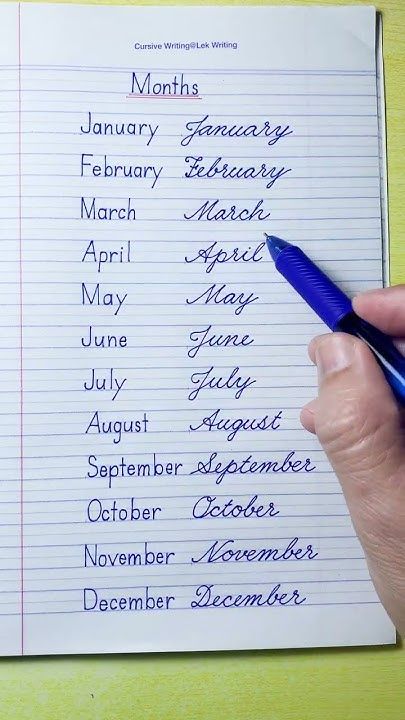
Selecting the right tools can significantly impact the learning experience. A pen with a smooth ink flow reduces friction on the page, making it easier to maintain a consistent speed. Lined paper or a workbook with dotted midlines is invaluable for ensuring consistent letter size and alignment. Digital apps that simulate the writing experience are also excellent supplements for practicing on the go.
tr> tr> tr> tr>| Tool | Purpose | Recommendation |
|---|---|---|
| Smooth-Flow Pen | Reduces friction for effortless strokes | Gel pens or fountain pens |
| Guided Paper | Maintains consistent letter sizing | Workbooks with dotted midlines |
| Digital App | Offers interactive practice | Trace & Learn style applications |
Building a Sustainable Practice Routine
Consistency trumps intensity when it comes to mastering cursive. Short, daily practice sessions are far more effective than infrequent, marathon-length attempts that lead to burnout. Dedicating just 15 minutes each day to focused exercises—such as looping drills or copying a single sentence—yields steady progress. Over time, the physical memory of the movements becomes automatic, allowing you to write quickly and confidently in any situation.




Related Articles

Master the Lowercase Q: Step-by-Step Guide to Perfect Cursive & Print Writing
Learning how to write a lowercase q correctly is a fundamental skill that impacts the clarity and professionalism of your writing. While often overshadowed by...

Master the Cursive Writing Lowercase K: A Step-by-Step Guide
Mastering the cursive writing lowercase k is often one of the final milestones in developing a cohesive and efficient handwriting style. While letters like "a"...

Step-by-Step K-Pop Demon Hunters Drawing Tutorial: Easy Guide for Fans
Learning to draw the nimble hunters from the hit game K Pop Demon Hunters offers a unique blend of anime aesthetics and dynamic action poses. This specific...

How to Color PDF Pages: Easy Step-by-Step Guide
Coloring PDF pages has become a popular activity for both personal relaxation and professional design work. Whether you are a parent creating custom coloring...
How to Turn Photos into Coloring Pages: Easy Step-by-Step Guide
Turning a favorite photograph into a coloring page is a rewarding process that blends technology with traditional creativity. This transformation simplifies...

How to Make Handwriting Practice Sheets in Microsoft Word: Easy Step-by-Step Guide
Creating custom handwriting practice sheets used to mean handwriting rows of letters on paper or wrestling with obscure worksheet generators. Microsoft Word...