Vibrant Drawings with Color: Stunning Artwork & Easy Coloring Pages
The relationship between color and drawing is a fascinating intersection of science, emotion, and technique. While line often defines the structure of a sketch, it is the introduction of color that breathes life, depth, and narrative into a two-dimensional space. Moving beyond the stark limitations of graphite or charcoal, color transforms a simple arrangement of shapes into a vibrant world, capable of conveying temperature, mood, and volume in a single stroke.
The Science of Hue: How Color Defines Form
Understanding color theory is the foundational step in mastering drawings with color. It is not merely about filling in spaces; it is about constructing volume and atmosphere. The interaction of hues creates a visual language that artists use to guide the viewer's eye and define spatial relationships.
Temperature and Depth
One of the most powerful tools in a colorist's arsenal is temperature. Warm colors—reds, oranges, and yellows—tend to advance visually, creating a sense of proximity and energy. Conversely, cool colors—blues, greens, and purples—recede, establishing depth and background. By strategically placing warm tones in the foreground and cool tones in the distance, an artist can simulate three-dimensional form on a flat surface without relying on heavy shading.


Emotional Resonance: The Psychology of Color
Beyond technical application, color acts as the emotional engine of a drawing. While line can suggest movement, color dictates feeling. The choice between a fiery crimson and a calm azure can completely alter the narrative of a piece, turning a bustling cityscape into either a chaotic nightmare or a vibrant celebration.
- Red: Signifies passion, danger, or urgency. It draws the eye immediately and can create a sense of tension.
- Blue: Evokes calm, melancholy, or stability. It is often used to create serene or introspective moods.
- Yellow: Represents joy, optimism, and energy. It can illuminate a scene, suggesting light or happiness.
- Green: Symbolizes nature, growth, or envy. It provides balance and a sense of organic life.
Breaking Boundaries: Mediums and Textures
The journey from monochrome to color opens a universe of mediums, each offering unique textures and blending capabilities. The transition changes the physicality of the artwork, allowing for a wide range of expression.


Traditional to Digital
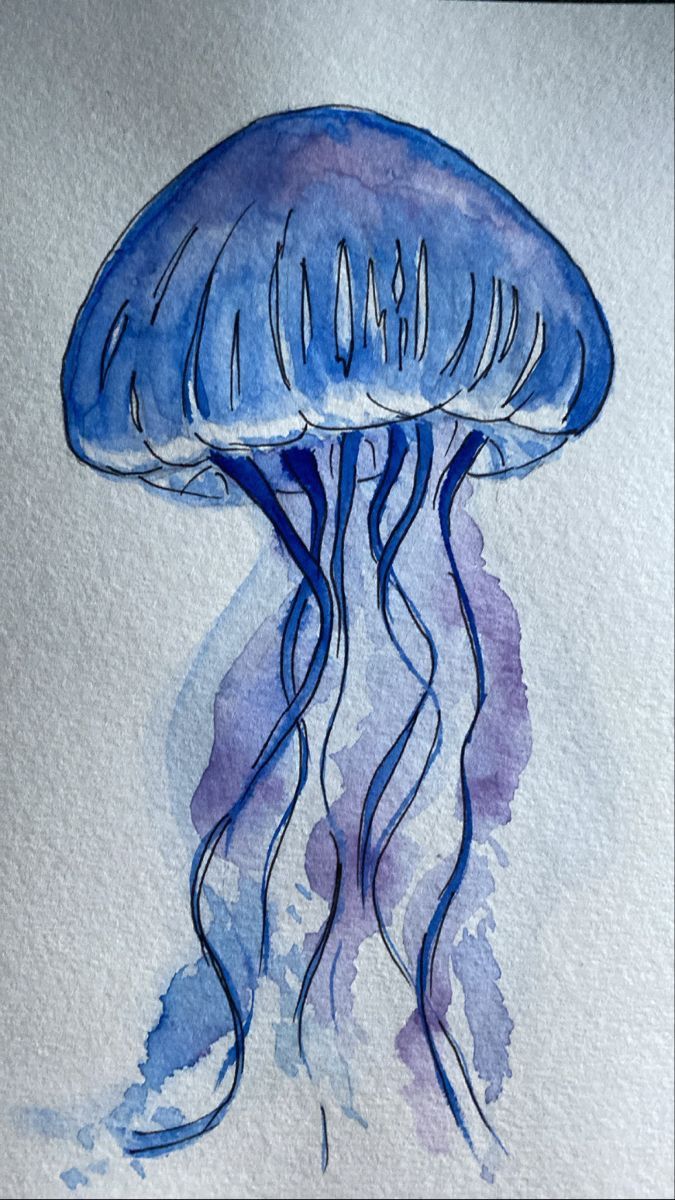
Traditional mediums like watercolor, pastels, and oils provide a tactile, organic feel. Watercolor excels in creating soft, ethereal blends, perfect for landscapes or dreamlike scenes. Pastels offer vibrant, chalk-like intensity, while oils allow for rich, slow-drying layers that can be blended to achieve photorealistic smoothness. In the digital realm, tools like Procreate or Photoshop offer unparalleled flexibility, enabling artists to experiment with layers, filters, and custom brushes without the risk of wasting materials.
Technique and Application: Building a Palette
Creating compelling drawings with color requires intentional application. Randomly applying pigment rarely yields professional results. Artists develop techniques to ensure harmony and balance within their work.
Layering and Glazing
Rather than applying color in solid blocks, professional artists often build up layers. Glazing involves applying a thin, transparent layer of paint over a dried layer of a different color. This technique modifies the underlying hue, creating richness and depth that is difficult to achieve with a single coat. It allows for the creation of complex shadows and highlights that feel natural and integrated.


The Harmony of Composition
Color does not exist in isolation; it must interact with the composition of the drawing. The rule of thumb is that color choice should support the message of the image. A chaotic drawing can be calmed by a limited, monochromatic color scheme, while a simple drawing can be made dynamic through the use of complementary colors (colors opposite each other on the color wheel).
Mastering drawings with color is a journey of observation and experimentation. It requires the artist to look beyond the obvious and see the world in terms of light, shadow, and emotional temperature. By understanding the principles outlined here, anyone can move beyond merely drawing shapes and start painting with light and feeling.



Related Articles

Cute Animal Drawings with Color for Kids: Fun & Easy Coloring Pages
Engaging children with cute animal drawings using color transforms a simple sheet of paper into a vibrant portal for imagination. This activity is more than...

Little Drawings to Color: Fun & Easy Coloring Pages for Kids
Little drawings to color represent a simple yet profoundly effective tool for creative expression. Often associated with childhood, these compact images hold...

Cute Valentine's Coloring Pages for Kids – Fun & Easy to Print
Valentine's drawings to color represent a unique intersection of artistic expression and seasonal celebration, offering a screen-free activity that fosters...

Vibrant Colors to Make with Food Coloring: Easy Recipes & Ideas
Food coloring transforms ordinary cooking into a vibrant experience, turning a simple batter or frosting into a visually stunning masterpiece. Understanding...

Free Flower Drawings to Color: Blooming Coloring Pages for Kids and Adults
Flower drawings to color occupy a unique space where art therapy meets creative expression. These intricate line work templates invite you to pause, breathe...

New Year Color Pages Printable: Celebrate 2024 with Fun Coloring Sheets
New Year color pages printable represent a vibrant and accessible way to usher in the festive season with creativity. These downloadable sheets offer intricate...