Vibrant Animal Drawings in Color: A Complete Guide
Capturing the vibrancy of the natural world often begins with the simple act of drawing animals with color. This practice moves beyond the stark outlines of a graphite sketch, injecting life, personality, and emotional depth directly into the form. Whether you are rendering the soft gradient of a cat's fur or the iridescent sheen of a bird's plumage, color is the primary tool for transforming a shape into a living creature.
The Foundations of Color and Form
Before diving into a palette, successful animal drawing with color relies on a solid understanding of structure. Anatomical knowledge dictates how light interacts with a form. Observing where the light source hits the subject determines where to place your warmest highlights and your deepest shadows. This interplay of light and dark, known as value, provides the framework upon which color sits. A beautifully layered wash of color will fail if the underlying structure is inaccurate. Therefore, begin by mapping out the major shapes and planes of the animal's body, ensuring the color enhances the form rather than obscuring it.
Matching Palette to Species
One of the most critical decisions in drawing animals with color is selecting a palette that respects the specific biology of the subject. You cannot approach a tiger the same way you would approach a flamingo. For mammals, earth tones, rich browns, and subtle creams often serve as the base, allowing for realistic texture simulation. Avian subjects, however, invite the exploration of brights and metallics—blues, reds, and greens—requiring a different approach to layering to achieve that glossy, feathery quality. Reptiles call for dry, dusty ochres and greens, while marine life demands the clean, reflective whites and deep blues of watercolor or ink washes.


Techniques for Texture and Depth
The magic of drawing animals with color lies in the ability to mimic the textures found in nature. Achieving the softness of a rabbit's fur requires a different technical approach than the scaly roughness of a crocodile. Stippling, or building texture with small dots of color, is excellent for creating the coarse grain of a rhinoceros or the prickly spines of a hedgehog. Conversely, blending is essential for smooth gradients, such as the cheek of a squirrel or the sky in a background. Utilizing tools like blending stumps, cotton swabs, or even your finger can help transition colors seamlessly, creating a realistic three-dimensional effect.
Layer and Glaze Methodology
Professional artists often rely on a layer-and-glaze technique to build complex color. Starting with a light wash of the base color establishes the general mood. Subsequent layers, or glazes, are then applied to intensify the hue and add richness. This method is particularly effective for subjects with overlapping colors, such as the spots of a leopard or the stripes of a zebra. By allowing each layer to dry before applying the next, you build depth and richness that is difficult to achieve with a single, flat application of color.


Understanding Light and Shadow with Hue
Shading with color requires an understanding that shadows are not merely darker versions of the base hue; they are different colors entirely. When light hits a subject, it warms the highlights, often shifting them towards yellow or red. Conversely, shadows cool down, leaning towards blue or purple. In drawing animals, observing this temperature shift is vital. A bear's back might be a warm honey brown, but the shadow cast by its leg will contain hints of blue and gray. Capturing this subtlety is what separates a cartoonish image from a realistic representation.
Practical Application and Mediums
The medium you choose dictates the final look of your drawing. Colored pencils offer precision and control, ideal for detailed work like scales or individual feathers. Watercolors are perfect for creating soft, atmospheric animals with blurred edges and luminous fur. Digital art programs provide flexibility, allowing artists to adjust layers and experiment with blending without the risk of permanent mistakes. When drawing animals with color, matching the medium to the subject matter ensures the texture of the fur, feather, or scale looks authentic on the page.
The Emotional Impact of Color
Beyond technical accuracy, color imbues animals with emotion and narrative. A drawing of a fox using cool, desaturated colors might evoke a sense of loneliness or the harshness of winter. In contrast, the same fox rendered with warm oranges and reds feels energetic and vital. By manipulating saturation and temperature, you guide the viewer's eye and dictate the mood of the piece. Drawing animals with color is ultimately about communication; it is the process of translating the silent language of the wild into a visual story that resonates with the human viewer.


Related Articles
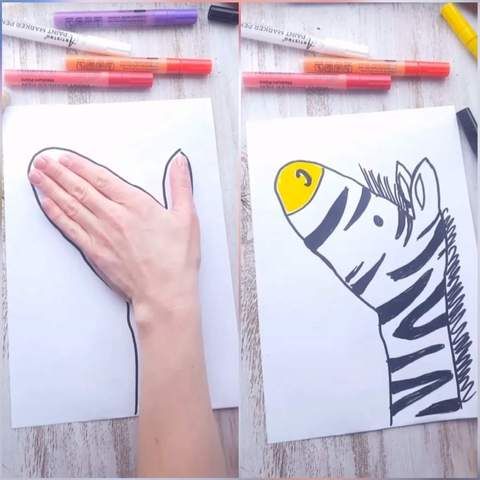
Easy Animal Drawings by Tracing Your Hand: Step-by-Step Guide
Returning to the fundamentals of art is often the most effective way to unlock new creative potential. The practice of drawing animals by tracing your hand...

Master Book Drawing Design with Color: Vibrant Techniques & Ideas
Book drawing design with color is where narrative meets visual science, transforming a blank page into a world that feels tangible. This discipline requires a...
Cute Animal Drawings with Color for Kids: Fun & Easy Coloring Pages
Engaging children with cute animal drawings using color transforms a simple sheet of paper into a vibrant portal for imagination. This activity is more than...

The Ultimate Guide to Snake Color Eyes: Vibrant Hues & Health Signs
The intricate world of snake color eyes reveals a fascinating array of adaptations that extend far beyond simple aesthetics. Unlike the familiar iridescence of...

The Ultimate Guide to Orange Color Books: Vibrant Reads You'll Love
The phrase orange color books immediately evokes a spectrum of ideas, from the vibrant energy of a summer read to the warmth of a classic novel. This specific...

Alphabet with Animal Pictures: A Fun Learning Guide for Kids
Welcome to a vibrant exploration of the alphabet, where each letter is brought to life through the captivating world of animals. This visual journey transforms...