Creative Drawing and Coloring Ideas for Kids and Adults Alike
Finding a blank page can feel intimidating, yet the simple act of picking up a pencil and adding color to a sketch unlocks a world of calm and creation. The journey from a faint line to a vibrant illustration begins with a spark of inspiration, a moment where an idea takes shape in your mind and waits to be born on paper. Whether you are a seasoned artist or someone who draws just for the joy of it, exploring structured drawing coloring ideas provides a map for navigating the blank page and transforming it into a playground of color.
Building a Foundation with Basic Shapes and Themes
Every complex scene starts with a simple structure, and using basic shapes is one of the most effective drawing coloring ideas for beginners. By breaking down a subject into circles, squares, and triangles, you remove the pressure of perfection and focus on composition first. Once the outline feels solid, you can assign specific color families to each shape, creating a cohesive and balanced piece long before you add the final details.
Themed Sketch Prompts for Instant Inspiration
When you stare at a blank canvas, narrowing the scope with a theme is one of the fastest ways to start. Themes act as a creative constraint, pushing your imagination in a specific direction and making the selection of colors intuitive. Try choosing a theme based on your current mood or a favorite memory to ensure the process feels personal and meaningful.


- Seasonal Moods: Capturing the essence of spring florals or the stark beauty of winter landscapes.
- Fantasy Worlds: Designing mythical creatures and magical forests that exist only in your imagination.
- Daily Objects: Elevating a coffee cup or a houseplant into a minimalist study of light and shadow.
Exploring Color Theory and Emotional Expression
Color is not just about making a picture look pretty; it is the primary tool for conveying emotion and depth. Understanding the relationship between colors allows you to move beyond realistic depictions and into the realm of feeling. Cool tones like blues and greens can wash a scene in tranquility, while warm reds and oranges inject energy and urgency into the lines on your page.
Techniques for Layering and Blending
The magic often happens in the transitions between colors. Rather than coloring in strict sections, try blending hues to create gradients that mimic natural light. You can use a colorless blender pencil, a damp brush, or simply cross-hatch with similar tones to create a smooth transition. This technique is especially effective in portrait drawing coloring ideas, where subtle shifts in skin tone bring the character to life.


- Watercolor Wash: Applying a light layer of pigment to establish the general mood of the piece.
- Dry Brush Texture: Using a dry tool to add gritty, textured details for elements like tree bark or animal fur.
- Gradient Mapping: Shifting from dark to light within a single object to simulate three-dimensional form.
Finding Your Unique Artistic Voice
While learning techniques is essential, the ultimate goal is to develop a style that feels authentically yours. This happens when you stop trying to mimic others and start focusing on the stories your drawings want to tell. Perhaps you are drawn to geometric patterns, or maybe you thrive on the chaos of abstract splashes of color; leaning into these preferences is the key to mastering advanced drawing coloring ideas.
Experimenting with Unconventional Mediums
Breaking the rules of traditional coloring tools can lead to stunning results. Combining markers with pastels, or even incorporating digital touches on physical paper, opens up a universe of texture. Do not be afraid to mix media; the combination of a bold ink line with soft watercolor can create a dramatic contrast that makes your work unforgettable.
Maintaining Consistency and Practice Habits
Progress in any artistic discipline is rooted in regular practice and a willingness to revisit the fundamentals. Keeping a sketchbook dedicated specifically to color experiments allows you to track your journey and build a library of ideas you can reference later. Treat every page as a study, not a final product, and you will find that the fear of the blank page slowly fades.
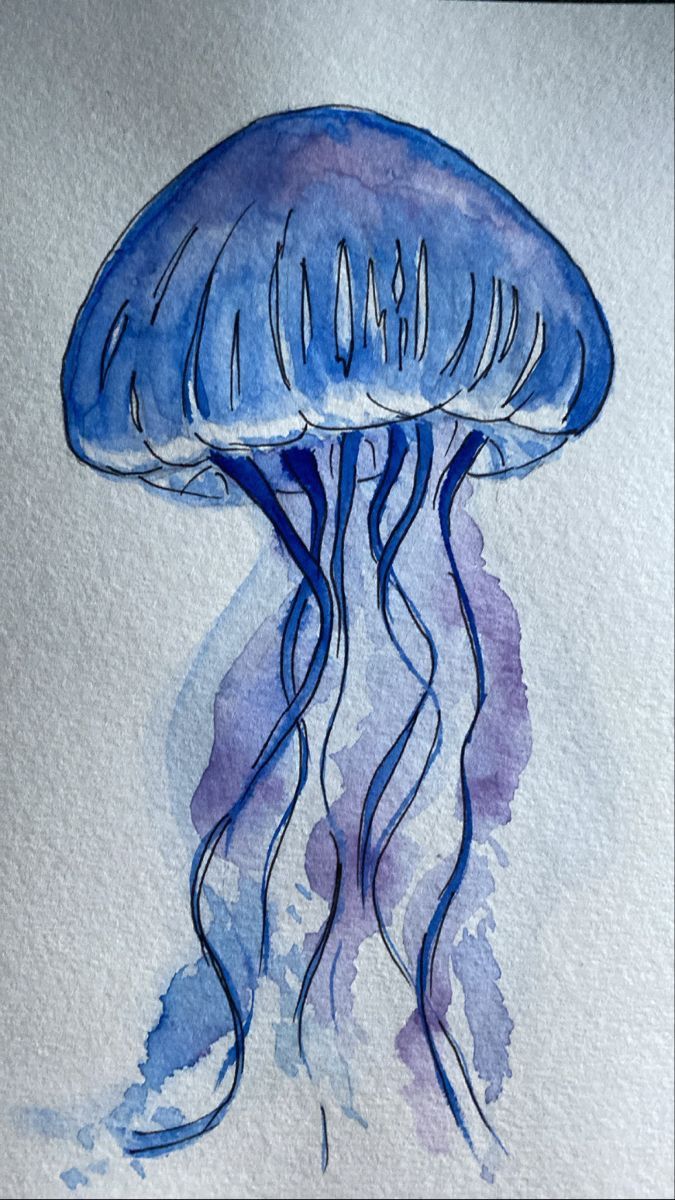


As you continue to explore these drawing coloring ideas, remember that the goal is not just to fill a space, but to express a feeling. Every stroke, blend, and shade is a conversation between you and the paper, and over time, you will discover a vocabulary of color that is entirely your own.


Related Articles

Dollar Tree Coloring Books: Creative Fun for Kids & Adults Alike
Dollar Tree has long been a destination for budget-conscious shoppers seeking quality goods at unbeatable prices, and their selection of coloring books...

Fun Colour Drawing Ideas for Kids: Creative Art Activities
When a child picks up a crayon, they are not merely making lines on paper; they are embarking on a journey of discovery. Colour drawing for kids is a...

Magic Marker Coloring Book: Creative Fun for Kids & Adults
The magic marker coloring book has surged in popularity as a versatile tool for creative expression, offering a blend of structure and freedom that appeals to...

Print & Cozy Friends Coloring Book: Fun for Kids and Adults Alike
Discover the ultimate relaxation and creativity tool with the Print E Cozy Friends Coloring Book. This meticulously designed collection invites you to step...

High Cartoon Coloring Pages: Fun for Kids & Adults Alike
High cartoon coloring pages represent a vibrant intersection of art and childhood nostalgia, offering a structured yet creative outlet for individuals of all...

The Ultimate Om Nom Coloring Book: Fun for Kids & Adults Alike
The coloring book om nom presents a delightful fusion of interactive entertainment and artistic expression. This specific activity book centers around the...