Master the Art of Drawing with Color Water Techniques
Mastering the art of drawing color water begins with observing how light interacts with liquid in the real world. Unlike solid objects, water captures, reflects, and refracts its surroundings, creating a dynamic surface that shifts with every movement. To translate this fluid reality onto paper, you must understand how to layer pigment and manipulate value to suggest transparency and depth.
The Physics of Perception
Before touching a brush, it is essential to understand why water looks the way it does. Light travels through the body of water, scattering particles and absorbing warmer colors while reflecting the environment above the surface. When drawing color water, you are not painting the liquid itself; you are painting the distortion of light as it passes through a medium. This scientific principle dictates that the deepest tones often exist below the surface, where the mass of water is thickest, while the highlights appear where the surface bends away from the viewer.
Building the Base Layer
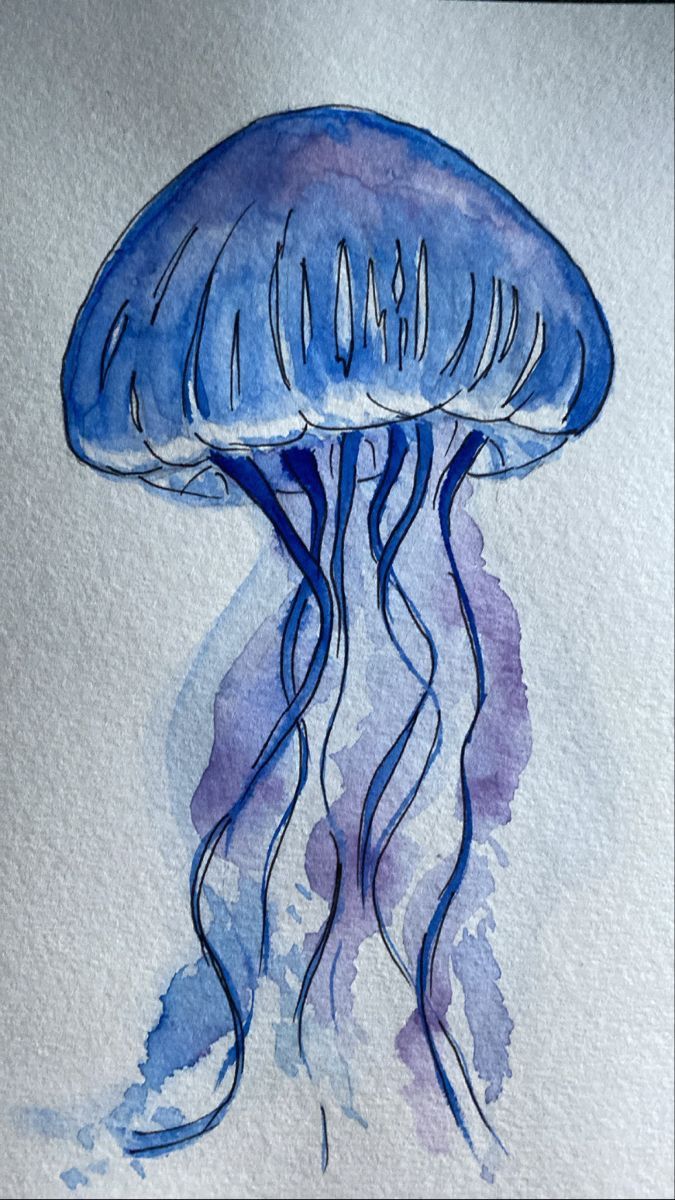
Creating a credible aquatic scene requires a specific technical approach. You should always start with a light pencil sketch to map the distortion of the background elements through the water. Once the composition is established, apply a thin wash of your base color to define the volume of the water body. This initial layer sets the temperature; a cool base will suggest deep ocean water, while a warm wash can imply sunlight filtering through shallow pools.


Capturing Chromatic Depth
One of the most common mistakes in depicting water is using pure, saturated colors. In reality, color in water is always muted and dependent on the surrounding environment. To draw color water convincingly, you must look for the subtle mixtures created by reflected sky, submerged foliage, and the terrain below. A river might look blue, but up close, it often contains streaks of green from algae or brown from sediment. The magic happens in the transition between these colors, so avoid hard lines and opt for smooth gradients.
- Observe the light source: Is it high noon or a setting sun? This determines the intensity of the highlights.
- Analyze the depth: Shallow water reveals textures on the bottom, while deep water absorbs detail.
- Mix interrupted colors: Instead of one flat shade, use streaks of analogous colors to simulate ripples.
- Embrace negative space: Sometimes, leaving the paper white suggests the brightest glints of light on the surface.
The Dance of Reflections
Water acts like a liquid mirror, but these reflections are distorted and fragmented. When drawing color water, you need to balance realism with abstraction. Straight lines from the environment bend along the surface waves, and sharp angles soften as they move through the liquid. A useful technique is to slightly blur the edges of reflected objects and vary their opacity. If a tree is reflected in the water, do not draw it as a solid green shape; instead, break it into vertical strokes of varying intensity that mimic the shimmer on the surface.


Technical Execution with Dry Brush
To add the final layer of realism, introduce texture using the dry brush technique. Once the wet layers have dried, load a stiff brush with a small amount of pigment and drag it lightly across the surface. This creates the impression of tiny wavelets and foam that catch the light. This step is crucial for the "drawing" aspect of color water, as it defines the edge between the water and the air. The texture here should be sharp and energetic, contrasting with the softer washes used for the body of the liquid.
Composition and Atmosphere
Finally, consider the mood you wish to convey through your aquatic landscape. Calm water stretches out horizontally, inviting the eye to wander across the page, while choppy diagonals create tension and energy. The color palette you choose will dictate the temperature of the scene; a drawing dominated by cool blues and greens will feel serene or melancholic, whereas pops of warm red or orange can suggest danger or passion. Remember that the most successful depictions of water do not just replicate sight; they evoke the feeling of standing near a moving current.


Related Articles

Master Book Drawing Design with Color: Vibrant Techniques & Ideas
Book drawing design with color is where narrative meets visual science, transforming a blank page into a world that feels tangible. This discipline requires a...

Water Color Book with Pen: Master Brush Techniques & Create Stunning Art
For the artist on the move, the water color book with pen represents a compact studio, carefully engineered for spontaneity. This specific format merges the...

The Ultimate Water Color Drawing Book: Master Techniques & Create Stunning Art
For the artist on the move, a water color drawing book is far more than a simple notebook; it is a portable studio and a dedicated space for visual thinking...

The Ultimate Best Water Coloring Books: Master Your Art with Expert Techniques
Selecting the best water coloring books requires more than just picking up the first set of paints you find. The right book serves as a structural guide, a...

Master Tracing Drawing with Pencil: Pro Techniques & Easy Tutorials
Tracing drawing with pencil is a foundational exercise that bridges the gap between observation and execution. For artists, students, and hobbyists, this...

Trace the Light: Master Drawing with Light Tracing Techniques
Tracing light for drawing is a foundational skill that bridges observation and execution, allowing artists to translate the world around them with precision...