Disney Toy Story Coloring Sheets: Free Printable Activities for Kids
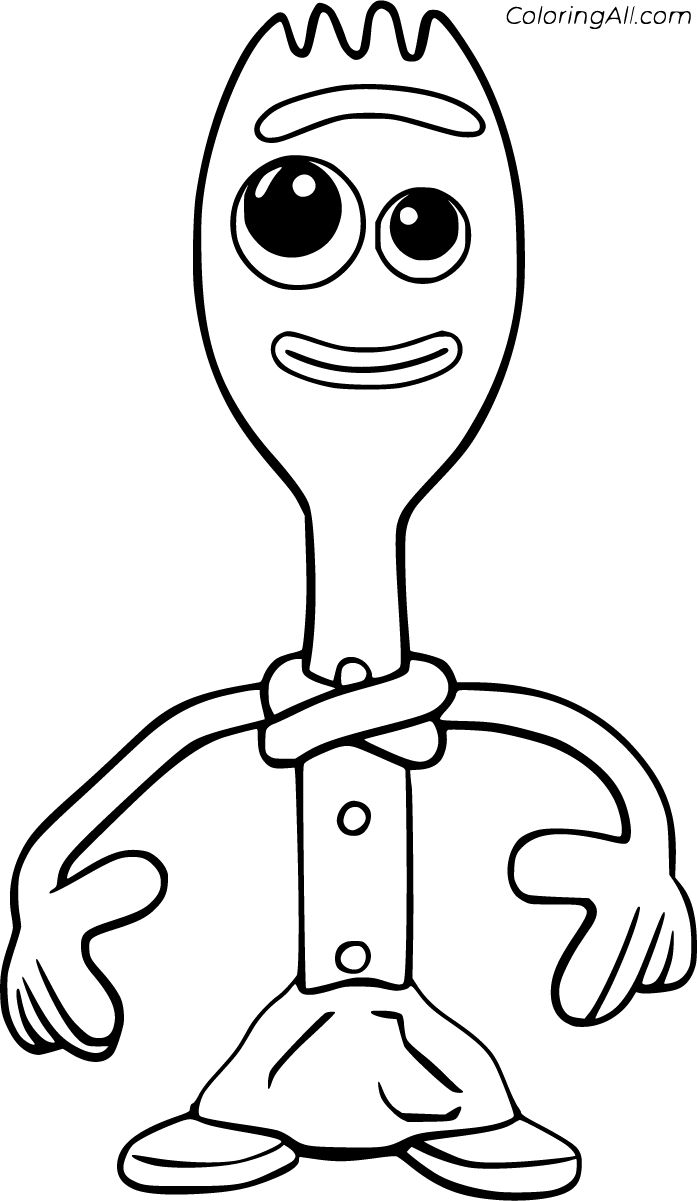
For parents and educators seeking enriching activities for young fans of Pixar’s beloved franchise, Disney coloring sheets Toy Story present an ideal intersection of creativity and nostalgia. These printable pages capture the vibrant world of Woody, Buzz Lightyear, and the entire ensemble of characters, transforming simple line art into a dynamic storytelling medium. By engaging with these templates, children do more than just fill in shapes; they actively participate in the narrative, reinforcing their connection to the stories and characters they admire.
Why Toy Story Coloring Sheets Resonate with Children
The enduring appeal of the Toy Story universe provides a rich foundation for coloring activities. Unlike generic cartoon images, these sheets feature instantly recognizable icons that spark immediate engagement. The characters' distinct personalities—Woody's leadership, Buzz's earnest heroism, and the quirky charm of Rex and Hamm—translate into varied visual textures and patterns. This familiarity reduces the hesitation often associated with a blank page, encouraging children to dive in and experiment with color choices without fear of getting it "wrong."
Educational Benefits Beyond Entertainment
While the primary experience is one of fun, the act of coloring these specific sheets delivers significant developmental advantages. Holding and controlling crayons or markers strengthens the fine motor skills and pencil grip necessary for future writing tasks. Furthermore, selecting colors for the different characters and their accessories promotes decision-making and problem-solving. Children must consider color theory intuitively, deciding whether Buzz should be the traditional blue or an imaginative new shade, thereby fostering cognitive flexibility and artistic confidence.


Integrating Art into Storytelling
Coloring sheets serve as a bridge between passive viewing and active creation. A child who has just watched the movies can use the sheets to reenact scenes, assigning new colors to familiar characters. This process reinforces narrative structure, sequencing, and memory. Educators can utilize these pages to prompt discussions about character traits or to illustrate specific plot points, making them valuable tools for lesson plans centered around animation, friendship, and change.
Character-Specific Design Elements
The effectiveness of these coloring pages lies in their attention to detail. High-quality sheets do not merely outline the characters; they include specific textures and motifs that define their look. For instance, Woody's cowboy attire features subtle stitching patterns, while Buzz's laser button and wing holster provide intricate areas for focused coloring. These details transform the activity from simple filling to a study in observation, allowing children to appreciate the artistry of the original character designs.


| Character | Key Visual Features | Recommended Coloring Approach |
|---|---|---|
| Woody | Stitched yarn details, Sheriff badge, felt fabrics | Warm earth tones with emphasis on contrast for texture |
| Buzz Lightyear | Smooth plastic look, embossed buttons, helmet visor
| |
| Jessie | Faded blue fur, floral dress embroidery, pull-string mechanism | Soft gradients to mimic worn fabric and yarn |
| Bo Peep | Porcelain skin, delicate dress, removable hat | Pastel shades with highlights to suggest ceramic shine |
Practical Applications for Modern Families
In an era dominated by screens, these printable offers a welcome tactile experience. They provide a screen-free activity that is easily accessible; a parent can simply download a PDF and print it on demand. This makes them perfect for rainy days, restaurant visits, or quiet time after school. The low cost and high reusability—especially if paired with crayons or watercolor—mean that creativity is always within reach without requiring a trip to the store for specialized toys.
Customization and Creative Expansion
Beyond the standard outlines, these sheets invite customization. Children can color outside the lines, create crossovers with other franchises, or invent entirely new characters to join the toy box. Advanced users might experiment with shading techniques to give their toys a three-dimensional pop, or use glitter glue to add physical texture to Buzz's helmet or Jessie's hat. This adaptability ensures that the activity remains fresh and engaging, growing with the child's artistic abilities.




Related Articles

Free Disney Printable Coloring Sheets for Kids - Magic Activity Pages
Free Disney printable coloring sheets offer an effortless way to bring the magic of beloved films into your home or classroom. Parents searching for a quick...

Free Printable Tree Coloring Sheets for Kids – Creative Forest Art Activities
Engaging children in creative activities is one of the most effective ways to support their developmental growth, and few mediums are as accessible and...

Free Printable Easter Pages for Kids – Fun Activities & Coloring Sheets
Free printable Easter pages for kids offer a simple, joyful way to bring creativity and festive fun into the home. With a single click, parents, teachers, and...

Free Printable Labubu Coloring Sheets for Kids – Fun & Easy Drawing Activities
Coloring sheets for kids featuring Labubu have surged in popularity, transforming from simple pastimes into coveted items within children's creative play...

Disney Up Coloring Sheets: Free Printable Pixar Adventure for Kids
Disney Up coloring sheets provide a vibrant gateway into the unforgettable world of Pixar’s beloved adventure. These printable templates capture the soaring...

Free Mickey & Minnie Mouse Coloring Pages Printable – Cute Disney Sheets for Kids
Parents and educators seeking enriching activities for children will find immense value in mickey and minnie mouse coloring pages printable. This timeless duo...