Roaring Dinosaur Head Coloring Pages for Kids
The intricate art of dinosaur head coloring transforms a simple line drawing into a vivid portal to the prehistoric world. This creative pursuit allows enthusiasts to breathe life into extinct creatures, moving beyond the monochrome images often found in textbooks. By selecting colors, individuals engage in a form of scientific speculation, blending known data with imaginative reconstruction. The process requires careful consideration of texture, shading, and the subtle gradients found in modern animals. It is an accessible activity that provides a tangible connection to deep time, inviting both children and adults to explore the visual possibilities of ancient life. This detailed guide explores the methods, motivations, and surprising complexities involved in bringing these magnificent beasts to life with color.
Understanding Dinosaur Pigmentation: The Science of Color
Long before we could assign colors to a dinosaur head coloring page, scientists worked to uncover the true palette of the Mesozoic. The field of paleontology has evolved dramatically, moving from simple bone identification to analyzing microscopic structures preserved in fossils. Remarkable discoveries of melanosomes—pigment-containing organelles—have provided direct evidence of color in feathers and scales. Through comparative analysis with modern birds and reptiles, researchers can hypothesize whether a dinosaur was countershaded, spotted, or vibrantly colored. This scientific foundation is crucial for anyone approaching a coloring project, as it moves the activity from pure fantasy to an informed artistic interpretation. Understanding the likely color schemes adds a layer of educational depth to the creative act.
Pattern Recognition and Camouflage
When selecting colors for a dinosaur head, examining the fossil evidence for patterns is essential. Many theropods, such as the notorious Velociraptor, are believed to have had banded tails or striped faces, similar to modern predators like tigers. These patterns likely served as camouflage or visual communication tools. For herbivores, disruptive coloration could have been used to confuse predators, while bright markings might have signaled toxicity or warning. Observing the contours of the skull and eye placement can guide the colorist in suggesting where shadows and highlights would naturally fall. This attention to biological realism elevates the coloring page from a child’s activity to a sophisticated artistic exercise in understanding animal adaptation.


Choosing Your Artistic Palette
With the science in mind, the artist faces the most enjoyable part of dinosaur head coloring: the selection of pigments. The modern color spectrum offers endless possibilities, but a balanced approach often yields the most striking results. Earth tones like ochre, sienna, and forest green connect the creature to its natural habitat, suggesting mud, forest, or scrubland environments. Alternatively, a more vibrant scheme utilizing bright greens, reds, and electric blues can represent speculative mating displays or warning coloration found in contemporary fauna. The choice between naturalistic and fantastical color schemes defines the entire mood of the artwork, allowing for personal expression within a historical framework.
Texture and Depth Through Shading
Color is not merely about filling in spaces; it is about creating volume and surface texture. A dinosaur head is rarely a uniform block of color; the scales, frills, and horns interact with light in complex ways. To achieve a three-dimensional effect, colorists should utilize techniques such as shading and dry-brushing. By applying a darker tone to the recesses—such as the eye sockets, nostrils, and beneath the jaw—and a lighter tone along the prominent ridges and the top of the skull, the artist simulates the play of sunlight. This manipulation of value (lightness and darkness) is what separates a flat drawing from a dynamic, lifelike representation that appears to pop off the page.


The Role of Modern Analogues
When direct evidence is scarce, the most effective tool for coloring a dinosaur head is the observation of modern animals. Birds, as the direct descendants of theropod dinosaurs, offer a rich palette of colors, from the iridescent blues of a jay to the fiery reds of a cardinal. Crocodiles and monitor lizards provide examples of scaled texture and muted, swamp-friendly hues. Studying the coloration of these creatures provides a biological template. If a dinosaur had feathers, looking at a pheasant or a parrot can inspire realistic gradients and patterns. This comparative approach grounds the creative process in biological reality, ensuring that the final piece feels authentic rather than arbitrary.
Educational and Therapeutic Applications
Beyond artistic satisfaction, dinosaur head coloring serves significant educational and therapeutic functions. In classroom settings, these activities help children visualize and remember specific species, moving beyond abstract names to concrete images. The act of focusing on the intricate details of a Triceratops frill or a Spinosaurus sail induces a state of calm mindfulness, reducing stress and promoting concentration. It is a screen-free activity that engages the brain in problem-solving—deciding which color to use next and how it fits the overall composition. This blend of learning and relaxation makes it a valuable tool for both educators seeking to capture student interest and individuals looking for a mindful hobby.
Community and Digital Evolution
The rise of digital tools has revolutionized dinosaur head coloring, creating a vibrant online community of enthusiasts. Websites and apps offer printable sheets featuring highly detailed illustrations based on the latest paleontological findings. Social media platforms are filled with artists showcasing their completed pages, sharing color palettes and techniques with a global audience. This exchange of ideas fosters a collective learning environment where beginners can learn shading tricks from experts. Furthermore, 3D modeling software allows users to virtually "paint" a digital dinosaur, offering a level of precision and experimentation impossible with physical media. This digital evolution ensures that the art of coloring these ancient giants remains dynamic and accessible to a new generation.


Related Articles

Roaring T-Rex Coloring Pages: Frightfully Fun Dinosaur Art for Kids
For parents and educators seeking engaging activities for young dinosaur enthusiasts, scary T Rex coloring pages present a thrilling option. These printable...

Roaring Jurassic Park Dinosaur Coloring Pages For Kids
The search for a dinosaur coloring page jurassic park taps into a unique intersection of childhood creativity and blockbuster cinematic nostalgia. Fans of all...
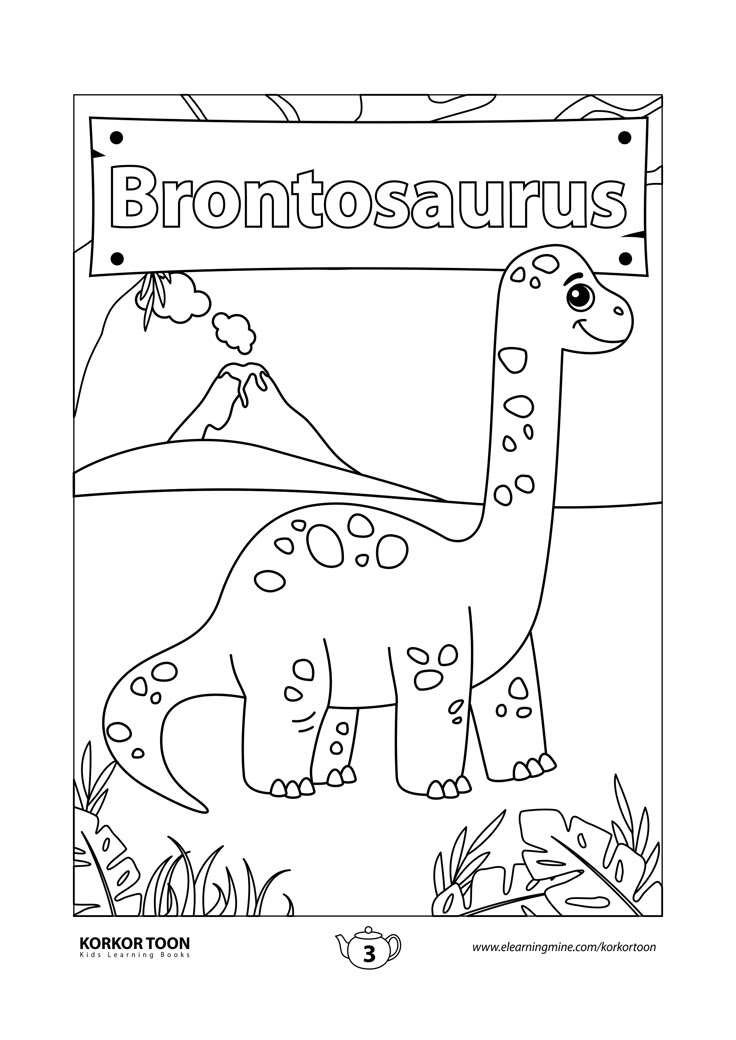
Roaring Fun: Brontosaurus Dinosaur Coloring Pages for Kids
The brontosaurus dinosaur coloring pages provide a vibrant gateway into the prehistoric world, inviting both children and adults to connect with these...

Roaring Dragons & Dinosaurs: Ultimate Coloring Pages for Kids
Dragon and dinosaur coloring pages present a thrilling intersection of myth and prehistory, inviting artists of all ages to color scenes of epic battles and...

Roaring Fun: Free Velociraptor Dinosaur Coloring Pages for Kids
Velociraptor dinosaur coloring pages offer a captivating window into the prehistoric world, allowing artists of all ages to bring these iconic carnivores to...

Roaring Dinosaur Truck Coloring Pages For Kids
Dinosaur truck coloring pages merge the primal fascination of prehistoric creatures with the robust engineering of modern haulers, offering a unique canvas for...