Roaring Fun: Dinosaur Easter Coloring Pages for Kids
Dinosaur easter coloring pages transform the ancient wonder of prehistoric creatures into a modern creative ritual. This niche activity merges the timeless joy of coloring with the boundless imagination of dinosaurs, offering a unique avenue for artistic expression. Far from a simple pastime, it provides a structured yet flexible canvas for both children and adults to explore color, form, and narrative. The intricate details of a T-Rex or the gentle curves of a Brontosaurus invite a focused mindfulness that quiets the digital noise of everyday life. Each page becomes a portal, transporting the user back to a world where these magnificent beasts once roamed the Earth.
The Educational Power of Prehistoric Art
Beyond entertainment, dinosaur easter coloring serves as a subtle yet effective educational tool. As children color within the lines of a Velociraptor or Stegosaurus, they engage in a tactile learning experience that reinforces biological concepts. The act prompts questions about skin texture, camouflage, and the environments these creatures inhabited. Parents and educators can leverage these moments to discuss paleontology, geology, and the science of extinction. It is a low-pressure entry point for young minds to absorb complex information, turning abstract theories about the Mesozoic Era into colorful, tangible memories.
Fostering Focus and Fine Motor Skills
In an age of instant gratification, the deliberate act of coloring offers a counterbalance. Filling the detailed outlines of a dinosaur's scales or feathers requires concentration and precision. This practice directly contributes to the development of fine motor skills and hand-eye coordination. The sustained attention needed to complete a page helps build stamina and patience. For younger children, it is a foundational exercise in pencil grip and control; for adults, it is a meditative practice that enhances focus and reduces stress.


Thematic Variations for Every Age
The market for dinosaur easter coloring is diverse, catering to a wide spectrum of skill levels and interests. Younger audiences might enjoy pages featuring friendly, cartoonish dinosaurs with bold shapes and simple patterns, perfect for beginner crayon users. Older children and enthusiasts can seek out more sophisticated illustrations showcasing realistic textures and intricate skeletal structures. Seasonal themes, such as a dino decorated with an Easter bonnet or eggs hidden in a prehistoric landscape, cleverly merge the two holiday motifs, creating a unique and engaging activity for the whole family.
| Skill Level | Design Features | Ideal Age Group |
|---|---|---|
| Beginner | Bold outlines, large shapes, minimal detail | 2–5 years |
| Intermediate | Textured patterns, moderate detail, scenic elements | 6–10 years |
| Advanced | Anatomical accuracy, fine details, complex shading | 11+ |
Integrating Creativity with Tradition
Dinosaur easter coloring pages offer a brilliant solution for parents seeking to balance holiday excitement with quieter, screen-free activities. Instead of reaching for a tablet, children can immerse themselves in creating their own prehistoric menagerie. These colored masterpieces can become part of a larger festive display, adorning the refrigerator or a dedicated easel gallery. The artwork can even extend into storytelling, where the colored dinosaur comes to life as the protagonist of an original adventure, weaving art and narrative together seamlessly.
Choosing the Right Materials
The quality of the coloring experience is significantly influenced by the materials used. While standard crayons suffice, premium tools can elevate the result. High-quality colored pencils allow for layering and shading, bringing a three-dimensional quality to the dinosaur's form. Washable markers provide vibrant, smooth color for bold statements, while watercolor paints introduce a sense of fluidity and drama. Selecting the right paper is equally important; a heavier weight prevents bleed-through and withstands the enthusiastic coloring of a young paleontologist.


Preserving the Masterpieces
For families looking to cherish these creations, proper preservation is key. Once the colors have dried completely, the artwork can be carefully framed under glass to protect it from wear and tear. Another option is to digitize the drawings through a simple scan or high-quality photograph, creating a digital gallery that can be easily shared with relatives and friends. This not only saves physical space but also creates a lasting archive of a child's artistic journey through the fascinating intersection of ancient history and seasonal celebration.


Related Articles

Roaring T-Rex Coloring Pages: Frightfully Fun Dinosaur Art for Kids
For parents and educators seeking engaging activities for young dinosaur enthusiasts, scary T Rex coloring pages present a thrilling option. These printable...

Roaring Jurassic Park Dinosaur Coloring Pages For Kids
The search for a dinosaur coloring page jurassic park taps into a unique intersection of childhood creativity and blockbuster cinematic nostalgia. Fans of all...
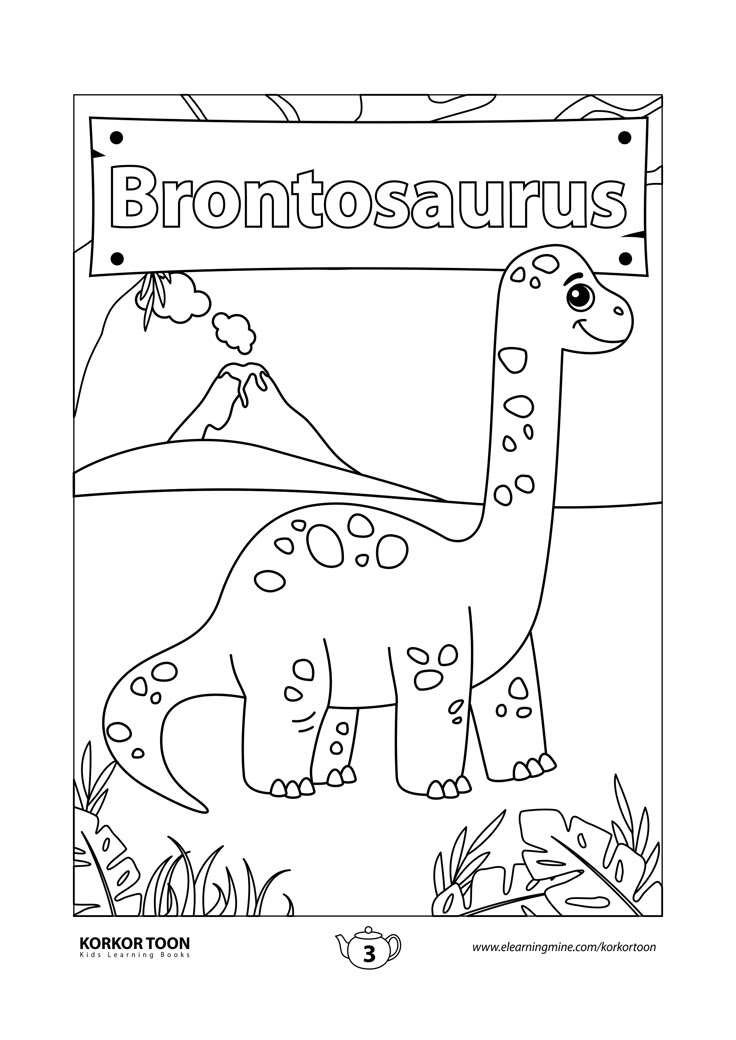
Roaring Fun: Brontosaurus Dinosaur Coloring Pages for Kids
The brontosaurus dinosaur coloring pages provide a vibrant gateway into the prehistoric world, inviting both children and adults to connect with these...

Roaring Dragons & Dinosaurs: Ultimate Coloring Pages for Kids
Dragon and dinosaur coloring pages present a thrilling intersection of myth and prehistory, inviting artists of all ages to color scenes of epic battles and...

Roaring Fun: Free Velociraptor Dinosaur Coloring Pages for Kids
Velociraptor dinosaur coloring pages offer a captivating window into the prehistoric world, allowing artists of all ages to bring these iconic carnivores to...

Roaring Dinosaur Truck Coloring Pages For Kids
Dinosaur truck coloring pages merge the primal fascination of prehistoric creatures with the robust engineering of modern haulers, offering a unique canvas for...