Dinosaur Coloring Pages Colored: Roaring Fun for Kids
The intricate details of a dinosaur coloring page colored by a child’s hand represent a vibrant portal into a lost world. This simple act transforms a black-and-line illustration into a tangible piece of prehistoric art, where scientific hypothesis meets boundless imagination. Far beyond a mere pastime, the process of selecting and applying color to these ancient creatures offers a unique blend of education and creative expression.
Bringing Fossil Evidence to Life Through Color
While fossils provide the skeletal framework of dinosaurs, coloring pages invite artists to speculate on their living appearance. Experts debate whether these magnificent beasts were clad in scaly greens, vibrant feathers, or even disruptive patterns for camouflage. A dinosaur coloring page colored with this context in mind becomes a miniature scientific inquiry. Children and adults alike can research recent discoveries and use their creations to visualize hypotheses, bridging the gap between textbook diagrams and the living, breathing animals they once were.
The Psychology of Choosing a Palette
The selection of colors for a dinosaur is a significant creative decision that reveals personal interpretation. Choosing earthy browns and greys creates a realistic portrayal aligned with modern reptiles, while opting for bright reds, electric blues, or iridescent purples pushes the boundaries of imagination. This decision-making process is crucial for cognitive development, as it requires the artist to consider mood, environment, and biological possibility. A dinosaur coloring page colored with a fantastical palette encourages storytelling, prompting the creator to invent ecosystems and behaviors for their uniquely hued creature.


Educational Benefits Beyond the Lines
Engaging with a dinosaur coloring page colored with care provides multifaceted learning opportunities. It reinforces fine motor skills and hand-eye coordination through the precise control of crayons or markers. Simultaneously, it serves as an accessible entry point for paleontology, sparking curiosity about different species, their anatomical features, and the Mesozoic era. Teachers and parents often utilize these pages to illustrate concepts like herbivores versus carnivores or the transition from land to sky with pterosaurs.
Fostering Focus and Mindfulness
In an era defined by digital distraction, the act of concentrating on a dinosaur coloring page colored in a quiet space offers a form of active meditation. The repetitive motion of coloring within the lines encourages a state of flow, reducing stress and promoting mindfulness. This screen-free activity allows for a mental break while maintaining engagement. The result is a serene yet stimulating environment where artistic focus can restore a sense of calm and accomplishment.


From Imagination to Display: The Completed Artwork
A dinosaur coloring page colored to completion is more than an exercise; it is a finished piece of art worthy of recognition. Framing these creations transforms a temporary activity into a permanent display of a child’s artistic vision and burgeoning interest in natural history. It provides a concrete artifact of their learning journey and creative confidence. Parents and educators can use these colored masterpieces to initiate further conversations about the science behind the fiction.
Encouraging Continuous Discovery
The completion of one coloring page often ignites a desire to explore another. A child fascinated by the green and orange T-Rex they created may seek out information on other carnivorous dinosaurs. This self-directed learning loop, initiated by a simple page, fosters a lifelong love of discovery. A dinosaur coloring page colored today can be the spark that leads to a future passion for biology, geology, or environmental science.
Preserving Creative Expression for the Future
As digital consumption dominates childhood, the value of tangible, hands-on activities becomes increasingly clear. The dinosaur coloring page colored with wax crayon or watercolor holds a special tactile quality that pixels on a screen cannot replicate. These activities connect children to a timeless form of expression, ensuring that the wonder of coloring prehistoric giants remains a vital and enriching part of developmental play.


Related Articles

Roaring T-Rex Coloring Pages: Frightfully Fun Dinosaur Art for Kids
For parents and educators seeking engaging activities for young dinosaur enthusiasts, scary T Rex coloring pages present a thrilling option. These printable...

Roaring Jurassic Park Dinosaur Coloring Pages For Kids
The search for a dinosaur coloring page jurassic park taps into a unique intersection of childhood creativity and blockbuster cinematic nostalgia. Fans of all...
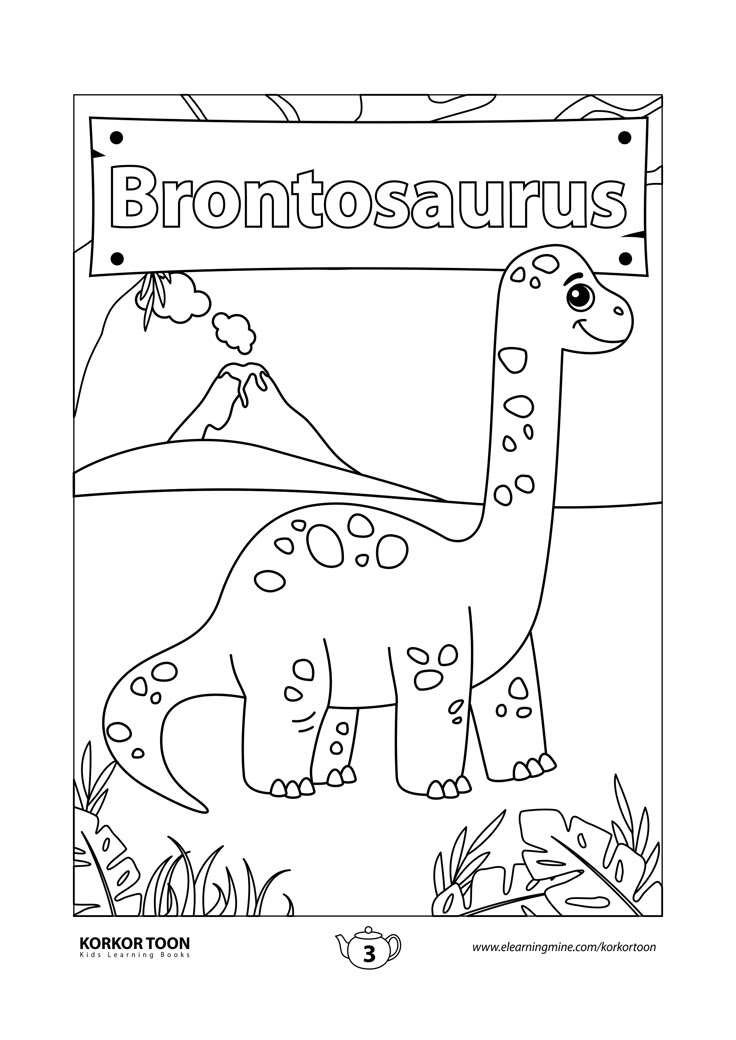
Roaring Fun: Brontosaurus Dinosaur Coloring Pages for Kids
The brontosaurus dinosaur coloring pages provide a vibrant gateway into the prehistoric world, inviting both children and adults to connect with these...

Roaring Dragons & Dinosaurs: Ultimate Coloring Pages for Kids
Dragon and dinosaur coloring pages present a thrilling intersection of myth and prehistory, inviting artists of all ages to color scenes of epic battles and...

Roaring Fun: Free Velociraptor Dinosaur Coloring Pages for Kids
Velociraptor dinosaur coloring pages offer a captivating window into the prehistoric world, allowing artists of all ages to bring these iconic carnivores to...

Roaring Dinosaur Truck Coloring Pages For Kids
Dinosaur truck coloring pages merge the primal fascination of prehistoric creatures with the robust engineering of modern haulers, offering a unique canvas for...