Dinosaur Coloring In Picture: Roaring Fun For Kids
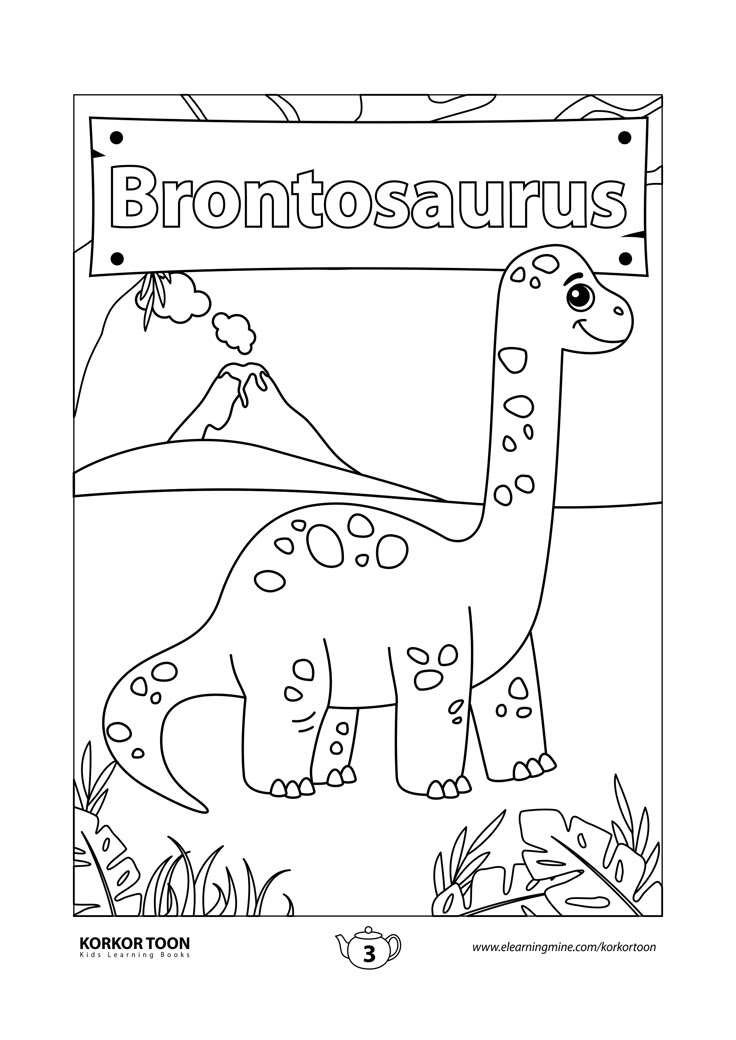
The simple act of grabbing a crayon and bringing a dinosaur coloring in picture to life connects generations of young explorers with the ancient past. These pages are far more than a idle pastime; they are a vital bridge between education and creativity, transforming complex scientific concepts into something tactile and immediate. When a child chooses a color for a towering T-Rex or a gentle Brachiosaurus, they are not just filling in lines, they are interpreting a world that vanished millions of years ago.
The Educational Power of Prehistoric Art
Beyond the entertainment value, dinosaur coloring in picture serves a significant role in early childhood development. The precise motions required to stay within the lines help refine fine motor skills and pencil grip, laying the groundwork for future writing abilities. As children learn the names of the different dinosaurs, they expand their vocabulary and begin to categorize information, distinguishing between carnivores and herbivores or understanding the concept of extinction. This process turns a blank sheet of paper into a dynamic learning tool that makes paleontology accessible and fun.
Identifying Species Through Illustration
High-quality dinosaur coloring in picture often includes specific physical characteristics that spark curiosity and observation. Children begin to notice the distinct shapes—a long neck, a bony crest, armored plates, or a sweeping tail—that define a species like a Triceratops or a Stegosaurus. These visual cues transform generic "monsters" into identifiable creatures, encouraging kids to ask questions about habitat, diet, and movement. The act of coloring reinforces these features, helping the information to stick in a way that textbooks alone cannot achieve.


Choosing the Right Images for Young Paleontologists
Selecting the appropriate images is crucial for maximizing the engagement and learning experience. Look for pictures that offer a balance of detail and simplicity, depending on the child's age. Younger children may benefit from bold outlines and larger spaces to color, while older children might enjoy intricate scenes featuring volcanic landscapes or dense forests. A well-chosen image can transport the artist directly to the Mesozoic Era, making the act of coloring an immersive journey rather than a simple chore.
| Age Group | Recommended Detail Level | Ideal Subject |
|---|---|---|
| 3-5 years | Bold lines, large areas | Simple T-Rex or Brontosaurus |
| 6-10 years | Moderate detail, textures | Velociraptor or Triceratops |
| 11+ years | High detail, shading guides | Complex paleoart or habitat scenes |
The Psychology of Color in the Prehistoric World
While we often imagine dinosaurs as drab, greenish-brown creatures, modern science suggests they likely displayed vibrant colors and patterns. Dinosaur coloring in picture pages free children from these assumptions, inviting them to experiment with a spectrum of hues. They might decide a feathered dinosaur is brightly colored or that a jungle backdrop is a neon fantasy. This creative freedom is essential for cognitive development, as it encourages problem-solving and allows a child to project their personality onto these magnificent, extinct animals.


Fostering a Lifelong Interest in Science
A child who spends an afternoon meticulously coloring a Spinosaurus might not realize they are being groomed for a future in science. By associating these ancient giants with a positive, creative activity, parents and educators create a foundation of interest that can lead to a deeper love of biology, geology, and archaeology. The coloring page becomes a gateway, transforming complex scientific jargon into a story told through color and imagination.
Preserving the Art of the Prehistoric Imagination
In an age dominated by digital screens, the value of a physical, paper-based activity should not be underestimated. Sitting down with a printed dinosaur coloring in picture and a box of crayons offers a moment of focused, screen-free engagement that is both calming and rewarding. These finished artworks become tangible memories of a child's fascination with a bygone era, a colorful record of their first steps into the world of natural history that they can proudly display on the refrigerator.


Related Articles

T-Rex and Raptor Coloring Page: Roaring Dinosaur Fun for Kids
The T rex and raptor coloring page offers a dynamic window into the prehistoric world, allowing artists of all ages to bring these iconic dinosaurs to life...

Roaring T-Rex Coloring Pages: Frightfully Fun Dinosaur Art for Kids
For parents and educators seeking engaging activities for young dinosaur enthusiasts, scary T Rex coloring pages present a thrilling option. These printable...

Roaring Jurassic Park Dinosaur Coloring Pages For Kids
The search for a dinosaur coloring page jurassic park taps into a unique intersection of childhood creativity and blockbuster cinematic nostalgia. Fans of all...
Roaring Fun: Free Dinosaur Coloring Worksheets for Kids
Dinosaur coloring worksheets provide an engaging gateway to the ancient world, transforming a simple sheet of paper into a vibrant paleontological adventure...

Dinosaur King Coloring Book: Roaring Fun for Kids
The dinosaur king coloring book has emerged as a favorite pastime for children and adults who are fascinated by prehistoric life. This specific category of...
Roaring Fun: Brontosaurus Dinosaur Coloring Pages for Kids
The brontosaurus dinosaur coloring pages provide a vibrant gateway into the prehistoric world, inviting both children and adults to connect with these...