Dinosaur Coloring for Kids: Roaring Fun & Creativity!
Dinosaur coloring for kids transforms a simple sheet of paper into a portal to the Mesozoic Era, where young imaginations can roam alongside towering giants and nimble predators. This timeless activity combines the quiet focus of art with the thrill of prehistoric discovery, making it a favorite among parents and educators. By filling in the outlines of a Triceratops or a soaring Pterodactyl, children engage with history in a tactile, creative way that feels like play rather than learning.
The Educational Power of Dinosaur Coloring
Beyond entertainment, dinosaur coloring for kids offers a wealth of developmental benefits that support early childhood growth. The act of gripping crayons or markers strengthens the fine motor skills and hand-eye coordination essential for future writing and drawing. As children choose colors and stay within the lines, they practice concentration, problem-solving, and decision-making in a low-pressure environment. Each completed page becomes a tangible record of their focus and artistic progress.
Sparking Imaginative Storytelling
Every coloring page is a launchpad for narrative adventure, encouraging children to invent stories about the dinosaurs they bring to life. A young artist might picture a gentle Brachiosaurus sharing leaves with friends or a clever Velociraptus on a daring mission. This imaginative play enhances language development as children describe their scenes, assign personalities to their creations, and role-play epic Jurassic journeys. The colors chosen become emotional cues, signaling whether a scene is peaceful, mysterious, or action-packed.


Connecting with Prehistory through Art
Dinosaur coloring for kids serves as an accessible introduction to paleontology and natural science, turning complex concepts into engaging visuals. Parents and teachers can pair coloring sessions with age-appropriate discussions about fossils, diets, and the different periods of the Mesozoic Era. Simplified diagrams help explain how these ancient creatures moved, hunted, and interacted with their environments. What begins as a fun activity can evolve into a lifelong curiosity about science and the history of our planet.
Fostering Patience and Attention to Detail
Completing a detailed dinosaur illustration requires patience and a steady hand, teaching children the value of seeing a task through to the end. Younger kids might enjoy simpler outlines that are quick to fill, while older children can embrace the challenge of shading and texture. This process helps build perseverance and encourages them to take pride in meticulous work. Over time, they learn that effort and care lead to satisfying, polished results.


Choosing the Right Dinosaur Coloring Pages
Selecting appropriate coloring pages ensures the experience is both enjoyable and age-appropriate. High-quality outlines feature clear shapes, recognizable species, and accurate anatomical details that spark interest without overwhelming young artists. Themes can range from realistic depictions to playful, cartoonish designs that align with a child’s current interests. Look for pages that encourage creativity while subtly introducing elements of the dinosaur world.
| Age Group | Recommended Features | Learning Focus |
|---|---|---|
| 3–5 years | Simple outlines, large shapes, bold lines | Basic recognition and color practice |
| 6–8 years | Moderate detail, recognizable species | Following instructions and fine motor skills |
| 9+ years | Intricate patterns, realistic textures | Attention to detail and artistic expression |
Making Coloring a Shared Experience
Dinosaur coloring for kids becomes even more meaningful when adults participate in the process, turning it into an opportunity for bonding and conversation. Discussing colors, asking open-ended questions about the scene, and sharing your own creative ideas can build confidence and deepen the educational impact. Group settings, such as classrooms or playdates, encourage collaboration and inspire children to learn from each other’s techniques and storytelling approaches.


Related Articles

T-Rex and Raptor Coloring Page: Roaring Dinosaur Fun for Kids
The T rex and raptor coloring page offers a dynamic window into the prehistoric world, allowing artists of all ages to bring these iconic dinosaurs to life...

Roaring T-Rex Coloring Pages: Frightfully Fun Dinosaur Art for Kids
For parents and educators seeking engaging activities for young dinosaur enthusiasts, scary T Rex coloring pages present a thrilling option. These printable...

Roaring Jurassic Park Dinosaur Coloring Pages For Kids
The search for a dinosaur coloring page jurassic park taps into a unique intersection of childhood creativity and blockbuster cinematic nostalgia. Fans of all...

Roaring Fun: Free Dinosaur Coloring Worksheets for Kids
Dinosaur coloring worksheets provide an engaging gateway to the ancient world, transforming a simple sheet of paper into a vibrant paleontological adventure...

Dinosaur King Coloring Book: Roaring Fun for Kids
The dinosaur king coloring book has emerged as a favorite pastime for children and adults who are fascinated by prehistoric life. This specific category of...
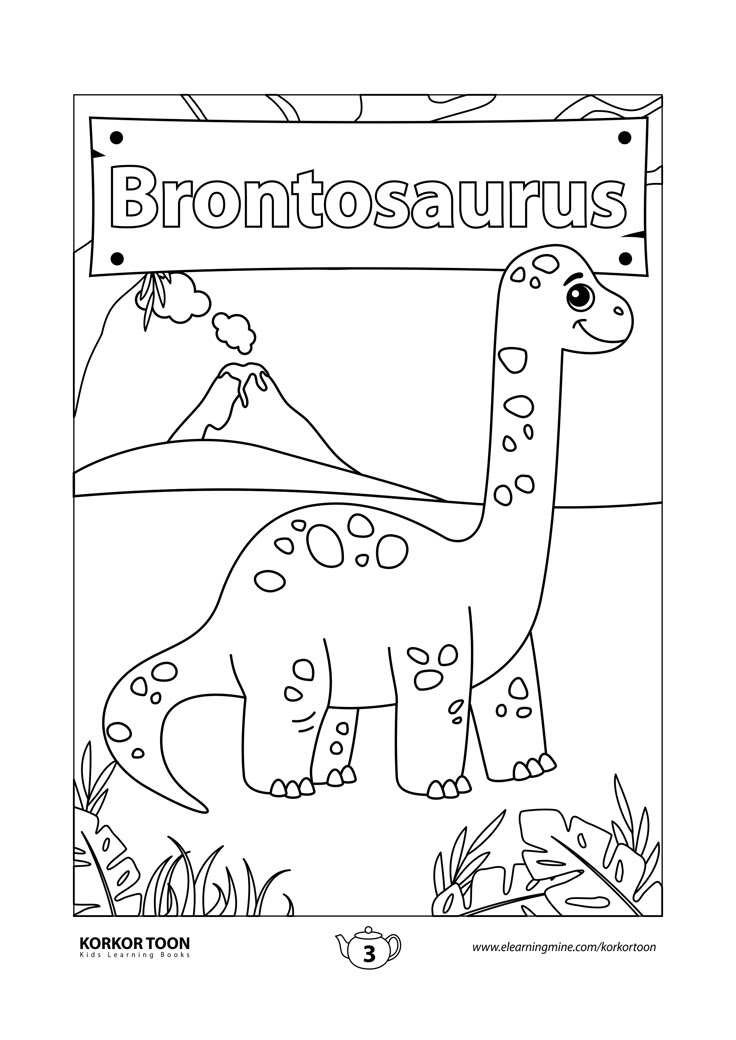
Roaring Fun: Brontosaurus Dinosaur Coloring Pages for Kids
The brontosaurus dinosaur coloring pages provide a vibrant gateway into the prehistoric world, inviting both children and adults to connect with these...