Roaring Dinosaur Bird Coloring Pages for Kids – Prehistoric & Feathered Fun
Dinosaur bird coloring pages offer a fascinating window into a world where prehistoric power meets avian grace. These intricate illustrations capture the imagination, inviting artists of all ages to breathe life into creatures that once ruled the skies and land. The detailed depictions of feathered giants and early avian forms provide a unique blend of scientific discovery and artistic expression, making them a popular choice for educational and recreational activities.
The appeal of these coloring sheets lies in their ability to transform learning into a creative adventure. Children and adults alike can explore the diverse shapes, textures, and patterns found in fossil records, translating them into vibrant works of art. This process not only fosters artistic skills but also reinforces knowledge about evolutionary biology and paleontology in a fun, hands-on way.
The Educational Value of Prehistoric Avian Art
Beyond simple entertainment, dinosaur bird coloring pages serve as powerful educational tools. They provide a tactile method for understanding complex concepts related to evolution, adaptation, and the transition from terrestrial dinosaurs to modern birds. By interacting with these images, users gain a deeper appreciation for the anatomical features that defined these remarkable animals.


- Anatomy Exploration: Coloring detailed illustrations helps identify features like beak shapes, feather arrangements, and skeletal structures.
- Historical Context: Visual representations connect users to the Cretaceous period and the rich fossil discoveries that inform our understanding of ancient ecosystems.
- Scientific Literacy: Engaging with accurate depictions builds foundational knowledge about paleontology and the scientific method.
Specific Species and Their Stories
Many coloring pages feature specific genera, allowing for a focused exploration of different species. From the iconic silhouette of a feathered Archaeopteryx to the more obscure raptorial digits of early birds, each creature tells a unique story. Artists can delve into the distinct plumage patterns and body structures that differentiated various lineages, turning a simple coloring session into a targeted learning experience.
| Dinosaur Bird | Era | Key Feature |
|---|---|---|
| Archaeopteryx | Late Jurassic | Feathered wings and reptilian teeth |
| Confuciusornis | Early Cretaceous | Beak without teeth and long tail feathers |
| Microraptor | Early Cretaceous | Four-winged gliding capability |
Creative Expression and Relaxation
The act of coloring these ancient creatures is inherently therapeutic. The repetitive motion of filling in shapes, the focus required to stay within the lines, and the choice of color palette all contribute to a mindful state. This meditative practice allows individuals to de-stress while engaging with a subject matter that is both dynamic and historically significant.


Furthermore, the artistic freedom associated with these pages encourages personal interpretation. There are no strict rules on how a Velociraptor or a proto-swallow should look; the only limit is the artist's imagination. This freedom fosters a sense of ownership over the learning process, making the acquisition of knowledge feel like a personal journey rather than a passive lecture.
Where to Find High-Quality Printables
Finding suitable dinosaur bird coloring pages is easier than ever, thanks to the vast resources available online. Educators and parents can source materials from reputable educational websites, museum digital archives, and dedicated coloring platforms. It is important to seek out pages that prioritize scientific accuracy alongside artistic merit to ensure the experience is both enjoyable and informative.
When selecting prints, look for clear line art that captures the subtle details of feathers and bone structure. High-resolution files are essential for crisp results, whether using pencils, markers, or watercolors. Many sites offer these resources for free, providing an accessible entry point for anyone eager to explore this captivating intersection of art and science.


Related Articles

Roaring Dinosaur Coloring Pages for Kids – Prehistoric Fun Awaits!
Dinosaur for coloring for kids offers a vibrant gateway to a world long extinct, transforming learning into a dynamic artistic adventure. Each printed outline...

Roaring T-Rex Coloring Pages: Frightfully Fun Dinosaur Art for Kids
For parents and educators seeking engaging activities for young dinosaur enthusiasts, scary T Rex coloring pages present a thrilling option. These printable...

Roaring Jurassic Park Dinosaur Coloring Pages For Kids
The search for a dinosaur coloring page jurassic park taps into a unique intersection of childhood creativity and blockbuster cinematic nostalgia. Fans of all...
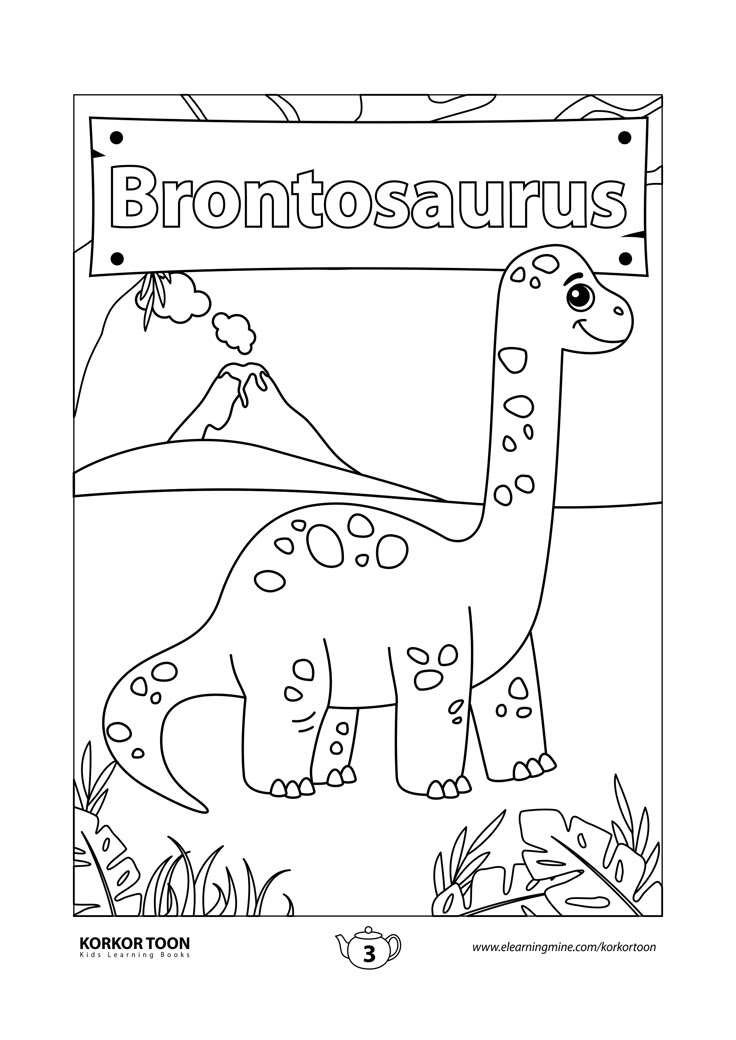
Roaring Fun: Brontosaurus Dinosaur Coloring Pages for Kids
The brontosaurus dinosaur coloring pages provide a vibrant gateway into the prehistoric world, inviting both children and adults to connect with these...

Roaring Dragons & Dinosaurs: Ultimate Coloring Pages for Kids
Dragon and dinosaur coloring pages present a thrilling intersection of myth and prehistory, inviting artists of all ages to color scenes of epic battles and...

Roaring Fun: Free Velociraptor Dinosaur Coloring Pages for Kids
Velociraptor dinosaur coloring pages offer a captivating window into the prehistoric world, allowing artists of all ages to bring these iconic carnivores to...