Roaring Fun: Downloadable Dinosaur Coloring Pages for Kids
Dinosaur coloring pages provide a vibrant bridge between the ancient past and the present moment, inviting children and adults alike to bring prehistoric worlds to life. These printable sheets transform learning about history into a tactile and visually engaging activity, fostering creativity while building knowledge. From the smallest ceratopsian to the most formidable theropod, each outline holds the potential for a unique masterpiece. Selecting the right pages can turn a simple afternoon into an immersive exploration of natural history, color theory, and artistic expression.
Why Dinosaurs Captivate Colorists of All Ages
The enduring appeal of dinosaurs lies in their combination of immense power and fascinating fragility, echoing through time millions of years after their demise. Coloring these magnificent creatures allows individuals to connect with this deep history in a personal and calming way. The act of filling in the forms with color is meditative, reducing stress and encouraging focus. Furthermore, dinosaur coloring pages are often the first introduction to paleontology for young minds, sparking curiosity about biology, geology, and the science of extinction.
Educational Value Beyond the Lines
While the primary goal is often entertainment, the educational benefits are substantial and inherent to the activity. As colorists research or recall the specific colors of a Stegosaurus or the scale patterns of a Velociraptor, they engage in a form of applied learning. Teachers and parents frequently use these pages to supplement lessons, turning a quiet coloring session into a discussion about habitat, diet, and locomotion. The pages subtly teach anatomy, such as the difference between carnivorous and herbivorous features, making complex scientific concepts accessible and fun.


Navigating the Different Categories of Dinosaur Art
The variety available ensures that every interest is catered to, whether one prefers scientific accuracy or whimsical fantasy. Some pages focus on realistic depictions based on current fossil evidence, while others embrace a more cartoonish or adventurous style. The complexity of the designs also varies greatly, offering options for toddlers just learning to grip a crayon and intricate scenes for experienced artists seeking a challenge. Understanding these categories helps in choosing the perfect sheet for the intended audience and purpose.
Realistic vs. Cartoon Styles
- Realistic Styles: These pages prioritize anatomical accuracy and textures that mimic real skin or scales, ideal for older children and adults interested in authentic representation.
- Cartoon and Chibi Styles: Featuring large eyes, simplified forms, and playful expressions, these are perfect for younger children and create a friendly introduction to the subject.
- Action Poses: Depicting dinosaurs in motion, such as running or fighting, adds dynamism and excitement to the coloring process.
- Scene-Based Illustrations: These complex pages place dinosaurs within their environments, requiring colorists to think about backgrounds and ecosystems.
Selecting the Perfect Page for Your Project
The right choice depends entirely on the desired outcome and the skill level of the colorist. A simple Triceratops sheet might be ideal for a classroom activity focused on primary colors, while a detailed T-Rex skull illustration suits an adult looking for a challenging project. Consider the medium you plan to use—markers, colored pencils, or watercolors—as some line art is better suited to specific tools. High-contrast outlines are generally more forgiving for beginners, whereas fine line art rewards patience and precision.


Matching Complexity to Skill Level
For young children, look for pages with thick lines and distinct spaces to color, minimizing frustration and encouraging success. Intermediate colorists can handle dinosaurs with textured skin patterns, scales, and moderate shading areas. Advanced artists will appreciate pages featuring intricate details, such as the bony frills of a Parasaurolophus or the armored plates of an Ankylosaurus, allowing for sophisticated shading techniques to create depth and volume.
Integrating Technology and Traditional Methods
Modern access to technology means dinosaur coloring pages are more abundant and diverse than ever. Many websites offer free downloads, while others provide digital tablets specifically designed for drawing and coloring. Traditionalists may prefer printed books found in bookstores, which often provide a curated selection bound together for convenience. Digital coloring apps allow for endless experimentation with color palettes without the cost of materials, offering a layer of undo flexibility that is impossible with physical media.
The Hybrid Approach
One effective strategy is to utilize both digital and physical resources. An artist might download a complex line art file, print it on high-quality paper suitable for ink, and then add color with professional-grade pencils or paints. This hybrid method combines the convenience of digital search with the satisfaction of a tangible, finished piece. Regardless of the method chosen, the result is a personalized artifact that celebrates the timeless wonder of dinosaurs.


Related Articles

Roaring T-Rex Coloring Pages: Frightfully Fun Dinosaur Art for Kids
For parents and educators seeking engaging activities for young dinosaur enthusiasts, scary T Rex coloring pages present a thrilling option. These printable...

Roaring Jurassic Park Dinosaur Coloring Pages For Kids
The search for a dinosaur coloring page jurassic park taps into a unique intersection of childhood creativity and blockbuster cinematic nostalgia. Fans of all...
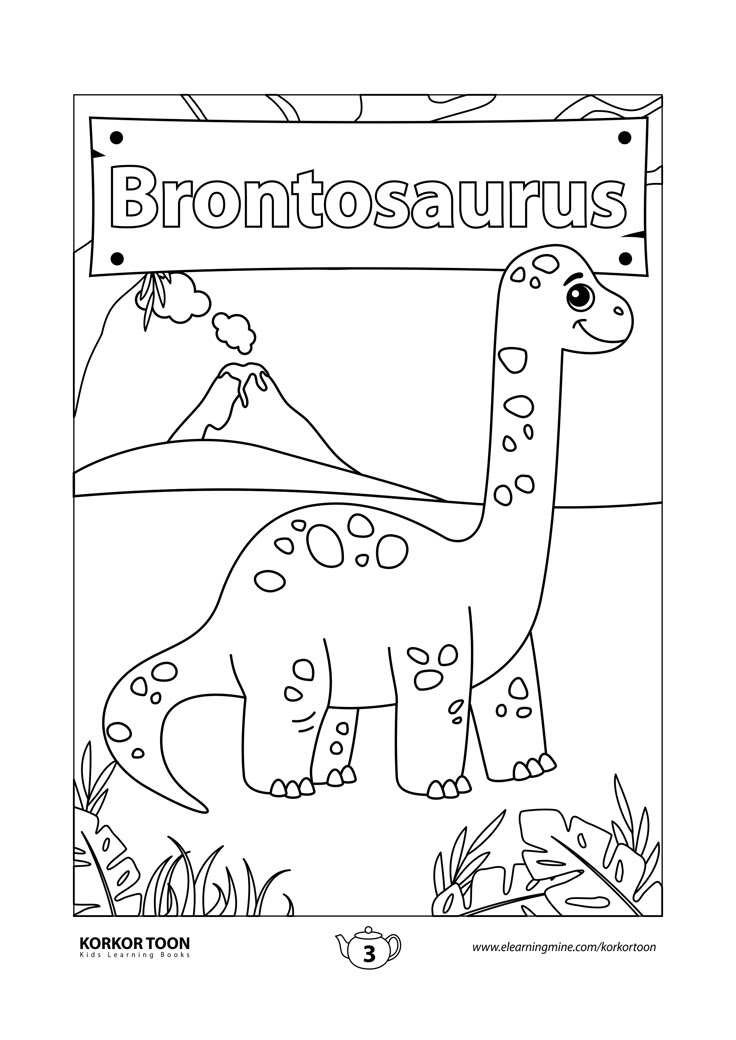
Roaring Fun: Brontosaurus Dinosaur Coloring Pages for Kids
The brontosaurus dinosaur coloring pages provide a vibrant gateway into the prehistoric world, inviting both children and adults to connect with these...

Roaring Dragons & Dinosaurs: Ultimate Coloring Pages for Kids
Dragon and dinosaur coloring pages present a thrilling intersection of myth and prehistory, inviting artists of all ages to color scenes of epic battles and...

Roaring Fun: Free Velociraptor Dinosaur Coloring Pages for Kids
Velociraptor dinosaur coloring pages offer a captivating window into the prehistoric world, allowing artists of all ages to bring these iconic carnivores to...

Roaring Dinosaur Truck Coloring Pages For Kids
Dinosaur truck coloring pages merge the primal fascination of prehistoric creatures with the robust engineering of modern haulers, offering a unique canvas for...