Dinosaur Coloring Pages: Roaring Fun for Kids
For parents and educators seeking enriching activities for children, dinosaur coloring pages present a unique intersection of entertainment and education. These printable sheets transform a simple pastime into a journey through natural history, allowing young artists to breathe life into prehistoric creatures long extinct. The act of coloring fosters fine motor skills while simultaneously sparking curiosity about the Cretaceous and Jurassic periods.
Why Dinosaur Coloring Pages Remain a Timeless Classic
The enduring popularity of dinosaur coloring pages lies in their remarkable accessibility. Unlike screen-based entertainment, these pages require only a crayon and imagination, making them a staple in waiting rooms, classrooms, and rainy-day activity kits. The combination of intricate outlines and familiar subject matter creates a low-pressure environment for creativity, where the focus is on the joy of creation rather than technical perfection.
Exploring Specific Species and Their Habitats
One of the greatest advantages of this medium is the diverse range of dinosaurs available. From the gentle giant Brachiosaurus reaching for treetops to the fierce predator Tyrannosaurus Rex, each species offers a distinct coloring challenge. Many pages depict these creatures within their natural environments, allowing children to color not just the animal, but the surrounding volcanoes, ferns, and prehistoric landscapes, thereby learning about ecological contexts.


The Educational Layer Behind the Colors
Beyond the artistic merit, these pages serve as invaluable educational tools. Parents and teachers can leverage the activity to introduce basic paleontological concepts. Discussing why Triceratops had three horns or how Pterodactyls soared through the skies turns a coloring session into a dynamic learning experience. This method of education is particularly effective because it associates knowledge with a fun, hands-on activity.
| Dinosaur Type | Typical Coloring Style | Educational Focus |
|---|---|---|
| Herbivores (e.g., Stegosaurus) | Blending greens and browns | Plant life and diet |
| Carnivores (e.g., Velociraptor) | Sharp contrasts and textures | Hunting behaviors and anatomy |
| Marine Reptiles | Cool blues and purples | Adaptation to aquatic life |
Creative Variations and Modern Interpretations
The landscape of dinosaur coloring has evolved significantly. While traditional realistic depictions remain popular, modern iterations introduce fantasy elements. Unicorn dinosaurs, robotic tyrannosaurs, and cartoonishly cheerful characters cater to younger children or those seeking a whimsical twist. These variations prioritize fun and imaginative play over strict biological accuracy, broadening the appeal to a wider age range.


Utilizing Technology for Enhanced Accessibility
The digital age has revolutionized how these pages are accessed and shared. Numerous websites offer free PDF downloads, eliminating the need for physical books. Furthermore, digital drawing apps allow children to color virtual dinosaur pages on tablets. This format eliminates the mess of crayons while offering an unlimited palette of colors and the ability to easily correct mistakes, accommodating different learning styles and preferences.
Fostering a Community of Young Paleontologists
Finally, dinosaur coloring pages contribute to a shared cultural experience among children. Exchanging finished artwork, comparing color choices, and discussing favorite species creates a sense of community. What begins as a solitary activity often evolves into collaborative storytelling, where the colored scenes become backdrops for elaborate narratives. This social interaction reinforces language skills and helps children articulate their understanding of the prehistoric world they have brought to life with color.


Related Articles

Roaring Jurassic Park Dinosaur Coloring Pages For Kids
The search for a dinosaur coloring page jurassic park taps into a unique intersection of childhood creativity and blockbuster cinematic nostalgia. Fans of all...

Roaring Dragons & Dinosaurs: Ultimate Coloring Pages for Kids
Dragon and dinosaur coloring pages present a thrilling intersection of myth and prehistory, inviting artists of all ages to color scenes of epic battles and...

T-Rex and Raptor Coloring Page: Roaring Dinosaur Fun for Kids
The T rex and raptor coloring page offers a dynamic window into the prehistoric world, allowing artists of all ages to bring these iconic dinosaurs to life...

Roaring T-Rex Coloring Pages: Frightfully Fun Dinosaur Art for Kids
For parents and educators seeking engaging activities for young dinosaur enthusiasts, scary T Rex coloring pages present a thrilling option. These printable...
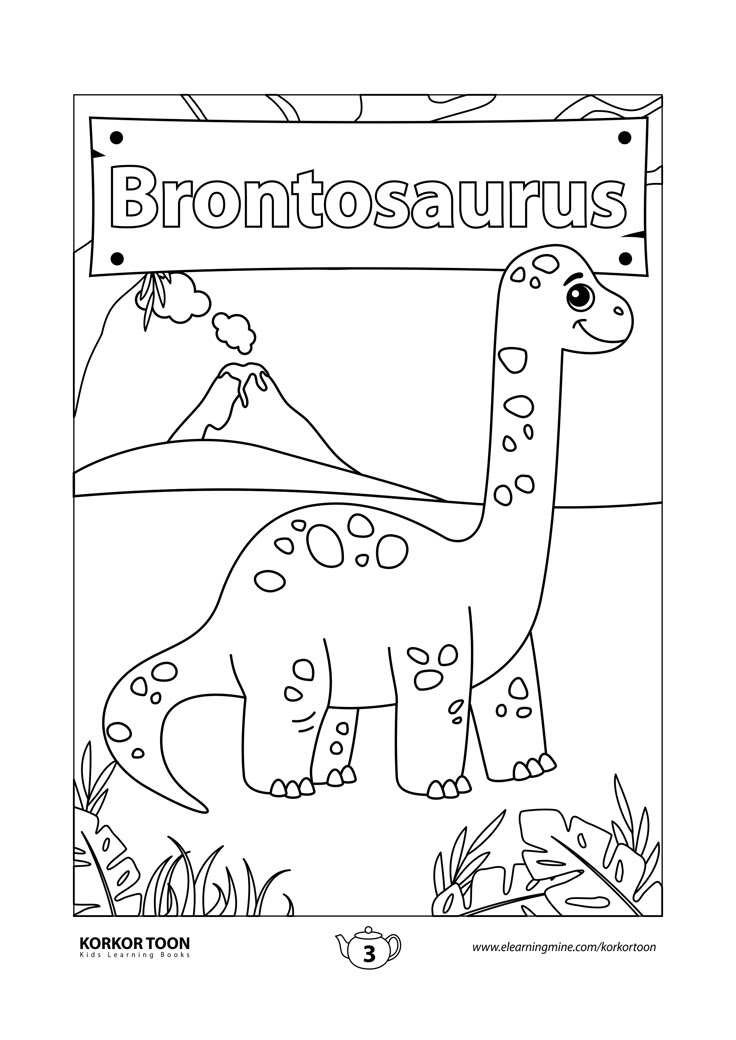
Roaring Fun: Brontosaurus Dinosaur Coloring Pages for Kids
The brontosaurus dinosaur coloring pages provide a vibrant gateway into the prehistoric world, inviting both children and adults to connect with these...

Cute Kawaii Dinosaur Coloring Pages for Kids – Fun & Free Printable
Dinosaur coloring page kawaii designs transform the prehistoric past into a soft, approachable experience for artists of all ages. By blending the raw power of...