D'Nealian Alphabet Tracing Worksheets: Free Printable Practice for Kids
Mastering the foundational skills of reading and writing often begins with the tangible act of tracing. For young learners embarking on their literacy journey, d nealian alphabet tracing worksheets provide a structured and effective bridge between recognizing letter shapes and forming them independently. This method, rooted in a specific, slanted script style, offers a unique pedagogical approach that simplifies the writing process for children.
The Origins and Purpose of D'Nealian
The D'Nealian manuscript and cursive writing system was developed by American primary school teacher Neil Orrin Palaima in the late 1970s. Its core design philosophy was to create a transition script that minimized the number of new strokes a child needed to learn when moving from print to cursive. The worksheets you find today are a direct evolution of this smart design, serving as a practical tool that reinforces muscle memory and proper stroke order from the very first lesson.
How Tracing Aids Early Development
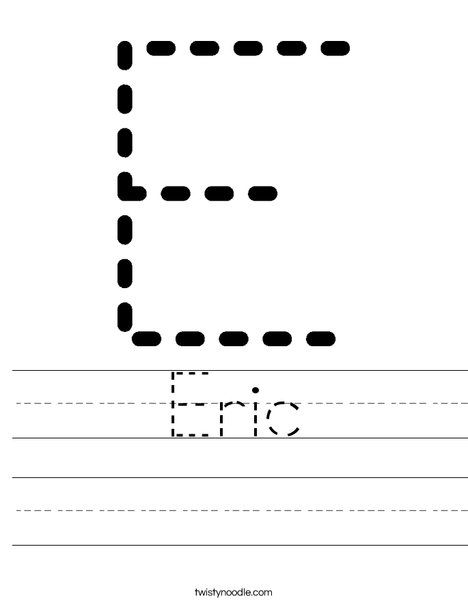
Educational research consistently highlights the importance of pre-writing practice. D nealian alphabet tracing worksheets are not merely busywork; they are targeted exercises that develop crucial fine motor skills. By guiding a pencil along the dotted lines, children strengthen the small muscles in their hands and fingers. This controlled movement builds the physical confidence necessary for clear, legible handwriting, reducing the frustration often associated with the early stages of writing.


Integrating Visual and Muscle Memory
The Role of Visual Cues
Effective worksheets go beyond simple lines. They incorporate visual cues such as starting dots, directional arrows, and numbered steps. This multi-sensory approach—where the child sees the path and physically follows it—cements the letter's shape in their mind. The consistent slant and proportionality of the d nealian style provide a visual rhythm that helps children understand how letters fit together on the line, a skill that translates directly to spacing and alignment.
The Progression to Independence
Typically, a learning sequence moves from tracing provided letters to tracing letters within guided words, and finally to freehand reproduction. High-quality d nealian alphabet tracing worksheets are designed with this progression in mind. Initial pages focus on individual letter formation, while advanced sheets challenge the student to write short sentences. This gradual release of responsibility ensures that the child is never overwhelmed and always building on a solid foundation.


Selecting Quality Materials
Not all tracing worksheets are created equal. When choosing materials, look for clarity and pedagogical soundness. The lines should be distinct and dark enough for a child to see without obscuring the letter shape. The font used should be a true representation of the d nealian style, with smooth, connected strokes that are easy to replicate. Avoid worksheets with excessive clutter or distracting imagery, as a clean layout allows the focus to remain on the letter formation itself.
Practical Application in Learning Environments
These worksheets are versatile tools that integrate seamlessly into various educational settings. In a classroom, they serve as excellent resources for morning work or literacy centers, allowing teachers to provide targeted support to multiple students simultaneously. For homeschooling parents, they offer a structured curriculum element that provides daily practice. The repetitive nature of tracing is key; consistency with these exercises, even for just fifteen minutes a day, yields significant improvements in a child's writing fluency over time.




Related Articles

D'Nealian Handwriting Worksheets: Free Printable Practice for Kids
For educators and parents navigating the foundational stages of literacy, d nealian handwriting worksheets represent a critical tool. This specific style of...
Free Printable D'Nealian Handwriting Worksheets – Tracing Practice for Kids
Parents and educators seeking effective tools for teaching cursive writing often turn to free printable D'Nealian handwriting worksheets. These resources...
D'Nealian Handwriting Worksheets PDF: Free Printable Practice for Kids
For educators and parents dedicated to fostering strong foundational skills, d nealian handwriting worksheets pdf represent an invaluable resource. The...
Free D'Nealian Handwriting Worksheets PDF: Tracing Practice for Kids
For parents and educators navigating the early stages of literacy development, the search for effective and accessible learning tools is a constant priority...

Free Printable Alphabet Practice Sheets for Kids - Tracing & Writing Practice
Mastering the fundamentals of written language begins with the humble alphabet, and there is no more effective way to build that foundation than with practice...

Number Tracing Worksheets PDF: Free Printable Practice for Kids
Number tracing worksheets PDF represent one of the most effective and accessible tools for early childhood education, providing a structured pathway for young...