Cute Animal Drawings Easy with Colour for Kids: Simple Step-by-Step Guide
Capturing the imagination of a child often starts with a simple line and a burst of colour. Easy animal drawings offer the perfect gateway for little artists to express their creativity, building confidence one paw print at a time. This guide provides clear, step-by-step inspiration to help kids create charming pets and wild creatures using nothing but bold shapes and vibrant hues.
Why Simple Colour-Based Animal Art Matters for Kids
Engaging in straightforward drawing activities supports the development of fine motor skills and hand-eye coordination. When children focus on filling in pre-defined shapes with colour, they practice controlled hand movements that strengthen the muscles needed for writing. This process transforms art time into a playful exercise in dexterity and precision.
Beyond the physical benefits, creating cute animal drawings encourages emotional expression and problem-solving. Choosing which colour to place on which part of a butterfly or elephant allows kids to make decisions and see the immediate visual impact. They learn to experiment, mix shades, and understand colour theory through direct, hands-on interaction with their materials.


Getting Ready for Drawing Success
Setting up a comfortable workspace ensures the creative flow remains uninterrupted. Gather thick, washable markers or crayons, and choose smooth, slightly heavier paper that can handle bold colour without tearing. A simple pencil for light sketching can help hesitant artists map out their ideas before committing to vivid pigment.
Consider organizing the art supplies by colour in a shallow tray to make selection effortless. This visual rainbow not only looks appealing but also teaches categorisation. Having everything within easy reach empowers children to take charge of their projects from start to finish.


Step-by-Step: Drawing a Cheerful Puppy
Basic Shapes First
Begin by sketching a large circle for the head and a smaller overlapping circle for the snout. Add a floppy oval for the ear on the side of the head, keeping the lines light and easy to adjust.
Adding Personality with Colour
Once the outline feels right, it is time to bring the puppy to life. Use a warm brown for the main body, a pink shade for the tongue, and black for the nose. Encourage kids to add spots or patterns, turning a simple drawing into a unique companion that reflects their imagination.
Exploring the Ocean: A Simple Dolphin
Creating an underwater friend starts with a gentle curve for the body and a pointed triangle for the dorsal fin. A small circle captures the eye, while a bright orange swirl becomes the blowhole. The magic happens when children layer shades of blue and green over the body, giving the illusion of depth and water reflections.


This exercise is ideal for teaching symmetry. By mirroring the fins and tail, kids grasp the concept of balance in a visual and tactile way. Using gradient colouring from dark to light can further enhance the sense of a splashy, aquatic environment.
Forest Friends: Easy Owl and Hedgehog
An owl with wide, expressive eyes is perfect for bedtime-themed art. Start with a rounded head, two layered circles for the eyes, and small triangles for the ears. Fill the large eyes with white, add a bright yellow pupil, and finish with a cheerful orange beak. Brown and grey feathers can be suggested with soft, circular scribbles.
A hedgehog offers a different texture lesson. Draw a small circle for the head and an oval for the body. Then, surround the body with short, spiky lines and fill them with varying shades of brown. The tactile nature of drawing these prickly friends helps children understand how different strokes can mimic real-world textures.


Tips for Encouraging Reluctant Artists
Some children hesitate because they worry about perfection. Emphasise that these drawings are guides, not strict rules. Suggest tracing the basic shapes first or using stencils to build confidence. The goal is to associate the act of creating with joy, not stress.
Turn the activity into a storytelling session. Ask the child to name their creation and describe what it is doing. This narrative element distracts from self-criticism and focuses the mind on the fun of the process. Celebrate the effort by displaying the finished pieces where they can be seen daily.
Related Articles
Cute Animal Drawings with Color for Kids: Fun & Easy Coloring Pages
Engaging children with cute animal drawings using color transforms a simple sheet of paper into a vibrant portal for imagination. This activity is more than...

Happy Birthday Drawings Easy Cute: Step-by-Step Guide for Kids
Creating happy birthday drawings easy cute is one of the most delightful ways to add a personal touch to a celebration. Whether you are a parent looking to...

Easy Happy Birthday Drawings with Pencil: Simple Step-by-Step Guide
Creating easy happy birthday drawings with a pencil is one of the most rewarding ways to add a personal touch to a celebration. Unlike digital tools, a simple...

Happy Birthday Dad Drawing Easy: Cute & Simple Step-by-Step Guide
Creating a happy birthday dad drawing easy is one of the most heartfelt ways to celebrate a father’s special day. Unlike store-bought gifts, a hand-drawn card...
Happy Birthday Easy Drawings: Simple Step-by-Step Tutorials for Kids (and Beginners!)
There is a unique magic in transforming a simple wish into a visual representation, and few things capture this joy as effectively as a happy birthday easy...
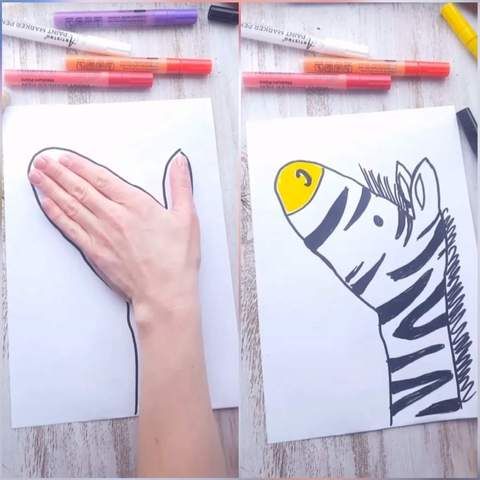
Easy Animal Drawings by Tracing Your Hand: Step-by-Step Guide
Returning to the fundamentals of art is often the most effective way to unlock new creative potential. The practice of drawing animals by tracing your hand...