Cut and Paste Colors Worksheets: Free Printables for Learning Color Names
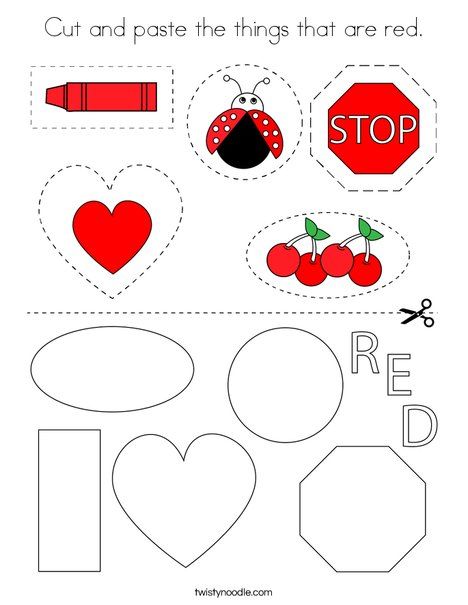
Cut and paste colors worksheets represent a foundational activity in early childhood education, bridging the gap between abstract color names and tangible visual recognition. These exercises require students to identify a specific hue, locate it within a palette of options, and then physically manipulate small pieces of paper to match a target sample. This process enhances fine motor skills, hand-eye coordination, and problem-solving abilities while simultaneously reinforcing critical vocabulary related to visual perception. The simplicity of the task belies its significant impact on cognitive and physical development.
The Educational Mechanics Behind Color Identification
At the cognitive level, these worksheets function as a controlled environment for visual discrimination. Children must compare a source color—whether it be a crayon, sticker, or printed swatch—to a series of similar, yet distinct, options. This comparison sharpens the ability to differentiate subtle variations in tone and shade, a skill that extends beyond the classroom into real-world scenarios like selecting coordinated clothing or identifying ripe produce. The act of cutting along the lines further integrates sensory input, providing tactile feedback that solidifies the visual lesson being taught.
Developing Fine Motor Proficiency
Physical interaction is the cornerstone of the cut and paste methodology. The requirement to grip scissors, navigate curves, and apply glue fosters the development of the pincer grasp and bilateral hand coordination. These are not merely artistic skills; they are pre-academic necessities. Strengthening the small muscles in the fingers and hand prepares a child for the precise movements required for writing cursive letters, typing on a keyboard, and handling scientific tools later in their educational journey.


Variations in Worksheet Design
Educators and parents will find a diverse array of formats when searching for these resources. Some worksheets focus on primary color recognition, utilizing bold, distinct shapes that are easy for beginners to identify and cut. Others introduce more complex challenges, such as gradients or multi-step instructions where a child must cut multiple colors and paste them in a specific sequence. This variety ensures that the activity remains accessible and engaging for students at different stages of development.
| Skill Level | Activity Type | Educational Goal |
|---|---|---|
| Beginner | Cutting straight lines to match basic colors | Shape recognition and safety with tools |
| Intermediate | Pasting small shapes to complete a picture | Precision and spatial reasoning |
| Advanced | Mixing colors to match a target shade | Color theory and critical thinking |
The Psychological Aspect of Creation
Beyond the technical skills, these worksheets offer a valuable emotional outlet. The act of choosing colors allows for self-expression and decision-making in a structured format. Completing the task provides a tangible sense of accomplishment, boosting a child’s confidence in their ability to follow instructions and execute a plan. The resulting artwork—a collage of cut pieces—serves as a physical reminder of their effort and progress, fostering a positive association with learning.


Integrating Technology and Traditional Methods
While digital tools offer new ways to learn about color palettes, the physical act of cutting and pasting remains irreplaceable. Hybrid approaches can maximize learning outcomes; for instance, a child might use a tablet app to select a color family and then find the corresponding physical swatches to cut and paste. This combination of digital selection and manual dexterity caters to different learning styles, ensuring that the lesson resonates whether a child is a visual, auditory, or kinesthetic learner.
Practical Applications for Parents and Teachers
Implementing these worksheets effectively requires thoughtful preparation. Adults should ensure the safety of the materials, selecting child-safe scissors and non-toxic glue. To extend the lesson, instructors can prompt discussion about the choices made: "Why did you pick that shade of blue?" or "What happens when you mix red and yellow?" These conversations transform a simple craft into a rich dialogue about art, science, and personal preference, maximizing the educational ROI of the activity.




Related Articles

Know Your Colors Worksheets: Free Printables for Learning Color Names
Know your colors worksheets represent a foundational tool in early childhood education, bridging the gap between playful exploration and structured learning...

Fun ABC Worksheets Cut and Paste: Free Printables for Learning
For educators and parents navigating the early stages of literacy development, the connection between letters and their sounds is the fundamental building...

Color by Letter: Free TPT Printables for Easy Learning
TPT color by letter represents a modern educational tool designed to merge the therapeutic benefits of color-by-number activities with foundational literacy...

Free Printable Color by Sight Word Worksheets – Fun Learning for Kids!
For educators and parents navigating the early stages of a child's educational journey, few tools are as effective as targeted literacy practice. Mastering...

Free Printable 1st Grade Cut and Paste Worksheets – Fun Learning Activities
For parents and educators navigating the early stages of childhood education, printable worksheets remain a cornerstone resource. In first grade, where...

Lion Color Finger Family: Fun Names, Rhymes & Learning Colors for Kids
The lion color finger family represents a vibrant and educational concept designed to introduce young children to the fundamentals of color recognition and...