Cut and Paste Activities for 2 Year Olds: Fun & Easy Learning!
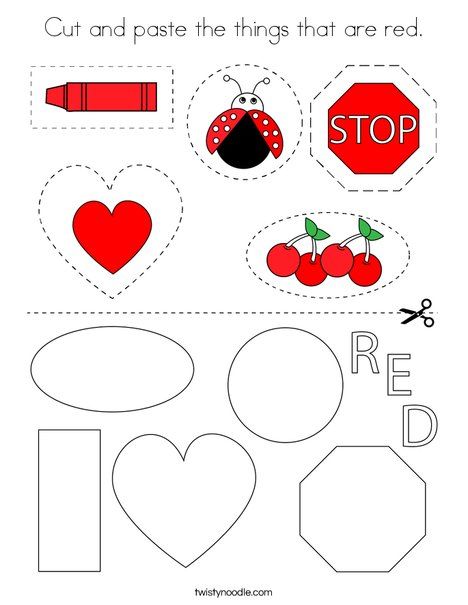
Cut and paste activities for 2 year olds represent a foundational pillar in early childhood development, transforming simple playtime into a powerful exercise in skill-building. At this vibrant age, toddlers are refining their pincer grasp, strengthening the small muscles in their hands and fingers, which are essential for future tasks like holding a pencil or using utensils. These activities also introduce critical concepts such as spatial awareness, directionality, and sequencing, all while fostering a joyful relationship with creativity and problem-solving.
The Developmental Power of Simple Scissors and Glue
When we observe a two-year-old carefully snipping play-dough or thin paper with safety scissors, we are witnessing the coordination of eyes and hands in action. This process, known as visual-motor integration, is crucial for cognitive growth. Providing toddlers with blunt safety scissors and thick, easy-to-grip paper allows them to explore cause and effect. The physical act of opening and closing scissors builds hand strength, while the act of placing small scraps onto a glue-lined surface enhances precision and control.
Building Pre-Literacy Skills Through Play
Beyond physical dexterity, cut and paste tasks are secretly preparing the neural pathways required for reading and writing. As toddlers sort shapes, match colors, and decide where a piece belongs on the page, they are practicing pattern recognition and pre-writing strokes. Drawing straight lines, zigzags, or simple circles through tracing exercises directly correlates with the ability to form letters later on. By integrating these activities into daily routines, parents and educators turn abstract skills into tangible, enjoyable experiences.


Practical Strategies for Success
To ensure these activities are both effective and stress-free, the environment and materials must be carefully considered. The goal is to minimize frustration and maximize engagement, allowing the child to focus on the joy of creation rather than the struggle with tools. Success in these early interactions builds confidence and encourages a willingness to tackle more complex challenges as they grow.
- Start with the Right Tools: Utilize safety scissors with blunt tips and chunky, washable glue sticks. Thick paper, cardstock, or old magazines are ideal cutting surfaces as they provide resistance without tearing easily.
- Simplify the Process: Instead of expecting a toddler to cut along a complex line, encourage them to snip randomly or make snips along a drawn path. The objective is the motion, not the final product.
Theme-Based Learning
Connecting activities to a toddler’s current interests dramatically increases engagement and retention. Themes transform a basic cutting exercise into a narrative adventure, making the learning feel like play rather than instruction. Whether it is farm animals, underwater creatures, or vehicles, the subject matter provides context for the scraps being cut and pasted.


| Theme | Activity Idea | Skill Focus |
|---|---|---|
| Animals | Cutting out simple shapes (circles, triangles) to create a collage of a ladybug or a fish. | Shape recognition, creativity |
| Food | Cutting play-dough "snacks" or fringe at the edges of paper "pizzas." | Fine motor skills, sensory play |
Embracing the Process Over the Product
Perhaps the most vital mindset for adults to adopt when guiding a two-year-old through these activities is the celebration of the process over the product. A page covered in glue and crooked cuts is not a mess; it is a record of experimentation and growth. Toddlers at this stage are developing autonomy, and allowing them to make choices—such as which color to use or where to place a piece—fosters a sense of control and accomplishment.
By maintaining a patient and encouraging presence, adults can turn a potentially chaotic activity into a cherished routine. The ultimate goal is not to create a perfect collage but to nurture a confident, capable little learner. Each snip and paste is a step toward greater independence and a stronger foundation for the academic journey ahead.




Related Articles

Fun Spelling Worksheets for 5 Year Olds: Easy Learning Activities
For many parents and educators, the journey into formal education begins with a simple question: how do we help a five-year-old grasp the fundamentals of...

Fun Letter A Worksheets for 2 Year Olds – Easy Learning Activities
Introducing the letter A worksheets for 2 year olds provides a gentle and effective way to initiate early literacy skills. At this tender age, children are...

Fun Preschool Printable Activities for 4 Year Olds: Easy Learning Games
For parents and educators navigating the early stages of childhood development, finding the right balance of fun and education is key. Preschool printable...

Fun Spelling Worksheets for 6 Year Olds: Easy Learning Activities
For parents and educators navigating the early stages of literacy development, spelling worksheets for 6 year olds represent a foundational tool. At this...

Fun Letters & Numbers for 4 Year Old: Easy Learning Activities
Introducing letters and numbers to a 4 year old represents a pivotal moment in early childhood development. This specific age marks a period of incredible...

Printable Math Worksheets for 4 Year Olds: Fun Early Learning Activities
Printable math worksheets for 4 year olds provide a structured and engaging way to introduce foundational numerical concepts. At this stage, children are...