Colorful Cut and Paste: Fun Worksheets for Kids
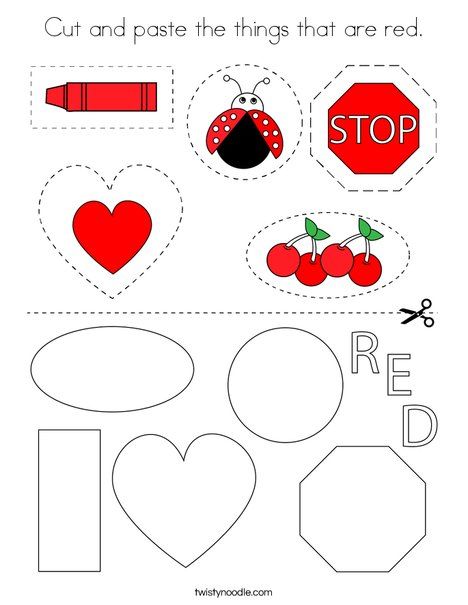
Colors worksheets cut and paste activities represent a foundational exercise in early childhood education, merging the tactile satisfaction of crafting with the cognitive challenge of visual discrimination. This hands-on method transforms abstract color names into concrete items that children can physically manipulate, creating a memorable bridge between theory and practice. By requiring learners to identify a color, locate its corresponding section on a worksheet, and then physically cut and place it, these exercises engage multiple learning pathways simultaneously.
Why Cut and Paste is Optimal for Color Learning
The distinct advantage of a colors worksheet cut and paste format lies in its ability to cater to kinesthetic learners who often struggle with passive, seated activities. Traditional fill-in-the-blank or circle-the-color exercises can feel static, whereas cutting and pasting introduces a dynamic, goal-oriented process. This multi-step task—identify, cut, sort, and paste—naturally reinforces memory retention through active participation, ensuring the child is not just looking at colors, but interacting with them in a meaningful way.
The Developmental Benefits of Scissors and Glue
Beyond just recognizing red or blue, these worksheets are instrumental in developing fine motor skills essential for future writing proficiency. The precise action of holding scissors, following a line, and making controlled snips strengthens the small muscles in the hand and fingers. Similarly, the pincer grasp required to pick up and place small glue dots or pasted shapes refines the dexterity needed for pencil grip, creating a synergistic link between artistic creation and academic preparation.


Structuring Effective Color Activities
For maximum effectiveness, a colors worksheet cut and paste should be structured with clear visual separation and distinct objectives. High-contrast images divided into color-coded sections allow children to immediately associate a specific hue with a task. Whether sorting pom-poms, cutting out geometric shapes, or matching color words to objects, the activity should provide immediate visual feedback, allowing the child to self-correct and build confidence independently.
| Color Category | Typical Worksheet Task | Skill Developed |
|---|---|---|
| Primary Colors | Cutting out circles to match the main color block | Color Recognition |
| Shades and Tints | Pasting gradients or varying intensities of a single hue | Visual Discrimination |
| Color Words | Cutting text and pasting it next to the correct color swatch | Pre-reading and Vocabulary |
Integrating Creativity and Structure
While the core task involves organization, these worksheets often incorporate a creative element that prevents them from feeling like repetitive drills. Children might be asked to create a specific picture using the cut-out colors, such as a rainbow, a clown, or a field of flowers. This blend of guided structure and open-ended expression allows young artists to experiment with color theory—such as placement and contrast—while still adhering to the learning goals of the exercise.


Educators and parents should view the cleanup process as the final, crucial step in the activity. Encouraging a child to sort the plastic scissors or glue stick back into their designated spot instills a sense of responsibility and routine. Treating the "colors worksheet cut and paste" session as a complete cycle—from preparation to execution to tidiness—fosters discipline and respect for materials, transforming a simple craft into a lesson in holistic task management.
Maximizing Impact in Home and Classroom Settings
To ensure these activities remain effective, varying the materials is key. While standard crayons and markers are suitable, incorporating textured materials like felt, fabric scraps, or glitter glue can add a new sensory dimension to the learning experience. This variation keeps the task fresh and challenging, preventing rote memorization and encouraging the child to focus on the intrinsic properties of the color itself, rather than just the act of pasting.
Ultimately, a colors worksheet cut and paste session is more than just a quiet busywork task; it is a compact workout for the developing mind and body. By combining visual identification, physical manipulation, and creative output, these exercises provide a robust foundation for early literacy and numeracy. The simplicity of the task allows children to experience the joy of mastery, turning the complex world of color recognition into a satisfying and enjoyable achievement.




Related Articles
Cut and Paste Toddler Worksheets: Fun Learning Activities for Kids
Cut and paste toddler worksheets represent a foundational element in early childhood education, bridging the gap between abstract learning and tangible...

Quadrilateral Cut and Paste Worksheets: Fun Shape Activities for Kids
Quadrilateral cut and paste worksheets represent a foundational tool in early geometry education, providing a tactile bridge between abstract shapes and...

Colorful Math Worksheets: Fun Coloring Pages for Kids
Math worksheets coloring pages represent a significant evolution in elementary education, transforming standard arithmetic drills into visually engaging...
Colorful Math Worksheets for Kids – Fun Learning Activities
Math worksheet for coloring pages represent a significant shift in how children engage with fundamental numeracy skills. Rather than facing rows of sterile...

Colorful Numbers Worksheets: Free Printable Activities for Kids
Colours and numbers worksheets represent a fundamental component of early childhood education, serving as the vital bridge between playful exploration and...

Cut and Paste Body Parts Worksheets: Fun Anatomy Activities for Kids
Cut and paste body parts worksheets provide a dynamic tool for teaching anatomy and fine motor skills to young learners. These printable pages move beyond...