The Vibrant Colors of the Christian Year: A Guide to the Liturgical Calendar
The Christian year unfolds as a living tapestry of color, a rhythmic cycle that guides believers through the story of Christ and the ongoing work of sanctification. Far from a mere decorative scheme, these liturgical hues carry deep theological weight, marking seasons of anticipation, celebration, reflection, and renewal. Understanding the significance of these colors transforms the calendar from a series of dates into a profound journey of faith, connecting the historical events of salvation to the present reality of communal worship.
The Language of Liturgical Color
Each hue in the Christian palette serves as a visual language, communicating the specific focus of a season at a glance. This tradition, rooted in the early church and developed over centuries, provides a sensory dimension to doctrine. While specific shades and practices can vary between Western traditions like Catholicism, Anglicanism, and Lutheranism, and Eastern practices within Orthodoxy, the core symbolic meanings remain remarkably consistent. The colors act as a bridge, uniting congregations in a shared, wordless expression of the Church's rhythm throughout the year.
Purple: The Color of Solemn Preparation
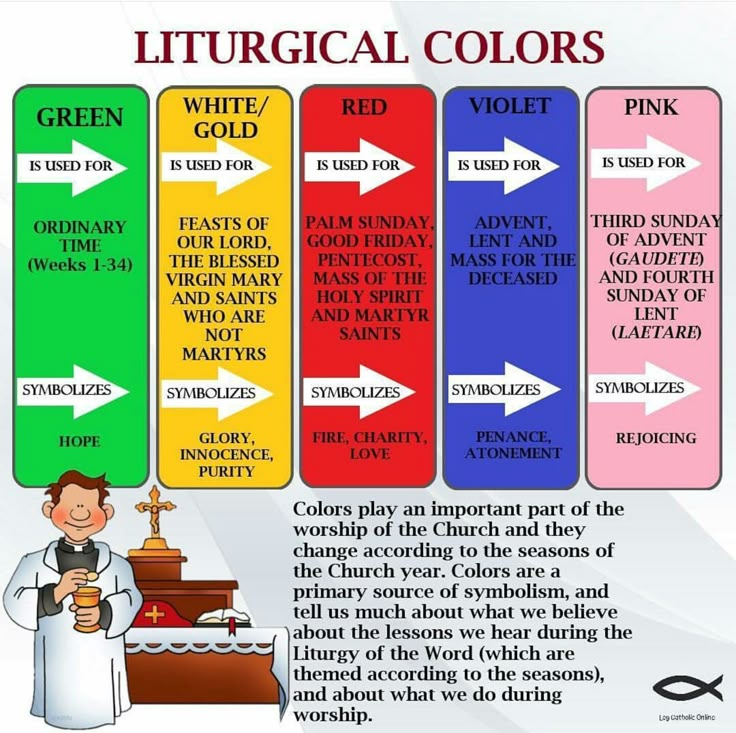
Purple, a deep, rich tone reminiscent of royalty and fasting, dominates the seasons of Advent and Lent. During Advent, it heralds the coming of Christ, fostering a spirit of expectant waiting, repentance, and preparation for the celebration of the Nativity. Similarly, the somber palette of Lent calls the faithful to introspection, self-denial, and contrition as they journey toward the cross. The use of purple in these seasons is a powerful visual reminder to turn inward and upward, stripping away distractions to focus on the core tenets of sacrifice and divine kingship.


Key Seasons of Purple
- Advent: The four-week anticipation of Christ's first coming and hope for his Second Coming.
- Lent: The 40-day penitential period leading up to Easter, mirroring Christ's fasting in the wilderness.
White and Gold: Purity, Joy, and Divine Majesty
White and its opulent counterpart, gold, represent the zenith of the Christian celebration. These colors flood the liturgy during the high points of the calendar, declaring the victory of life over death and the glory of the Divine. They are the visual embodiment of holiness, innocence, and light, used extensively during Christmas, Easter, and the festivals of Christ and the saints. The use of gold, in particular, suggests a heavenly richness and divine splendor that transcends the ordinary, lifting the gaze of the worshipper toward the eternal.
Celebrations in White and Gold
- Christmas: Celebrating the incarnation of God in human flesh, bringing light to the world.
- Easter: Declaring the triumph of the Resurrection and the promise of new creation.
- Feasts of Christ and the Saints: Honoring the holy figures who have run the race of faith.
Red: The Fire of Martyrdom and the Spirit
The bold, intense color of red is a visual shout of passion, sacrifice, and divine power. It is most prominently displayed on Good Friday, commemorating the ultimate act of sacrificial love through the Passion of Christ. Red's significance is amplified on Pentecost, where it represents the tongues of fire that descended upon the apostles, symbolizing the Holy Spirit's fiery presence and the birth of the Church. Furthermore, it is the standard hue for Martyrs' Days, honoring those who have given their lives for the faith, a vivid testament to the cost of discipleship.


Green: Growth and Ordinary Time
Green serves as the backdrop for the longest season of the Christian year: Ordinary Time. This vibrant color evokes the lushness of life, growth, and持续的灵命培育。它代表了在基督里持续的教导、门徒训练以及日常生活的圣化。绿色的使用提醒信徒,信仰不仅在于节日的巅峰,更在于平日的坚持,如同教会这棵大树在平静岁月中不断扎根、抽枝、结果。
The Balance of the Calendar
These colors work in concert, creating a balanced and holistic rhythm for the spiritual life. The introspective journey through purple leads to the explosive joy of white, the sobering reality of red gives way to the steady growth of green, and the cycle begins anew. This liturgical pattern provides a structure that guards against the shallowness of a faith focused only on high moments. It ensures that the community of believers regularly revisits the foundational events of salvation, allowing them to shape the internal landscape of the heart and the external expression of corporate worship.


Related Articles

The Ultimate Guide to Colors of Leopard Geckos: Vibrant Patterns & Genetics
The coloration of a leopard gecko is far more than just a visual trait; it is a complex genetic blueprint that defines the very identity of these popular...

The Ultimate Guide to Cat X Colors: Vibrant Feline Coat Palettes
At first glance, the phrase cat x colors might seem like a simple internet search term, but it opens a fascinating window into the world of feline biology...

Amazing Colors with the Letter A: Vibrant Palette Guide
From the vibrant aura of an alpine lake to the deep calm of an amethyst geode, the spectrum of colors with the letter a reveals a unique linguistic and visual...

The Official Crayola Colors: Your Complete Guide to the Brightest Hues
When you think of the iconic wax writing tool, the official Crayola colors are likely the first association that comes to mind. For generations, these specific...

Discover the Spectrum: A Guide to Different Heart Colors
The subtle hue of a heart can reveal a surprising amount about its function, origin, and the emotional context it represents. While the classic red icon...

Vibrant Rainbow Colors Celebrating Gay Pride and Identity
The vibrant spectrum of the rainbow serves as one of the most universal and powerful symbols for the LGBTQ+ community. Often referred to as the "rainbow flag...