Colorful Cutting Fun: Free Printable Colors Cut and Paste Worksheets for Kids
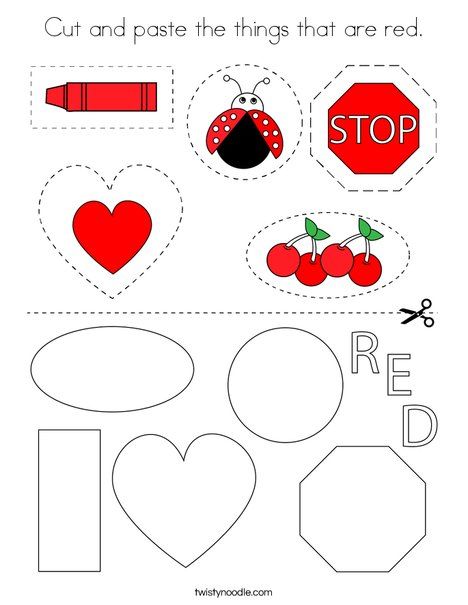
Colors cut and paste worksheets present a deceptively simple yet profoundly effective method for early childhood development. These activities merge the tactile satisfaction of cutting with the cognitive challenge of color recognition and spatial organization. By engaging multiple senses simultaneously, they create a memorable learning experience that surpasses passive observation. This hands-on approach is particularly valuable for young learners who thrive on concrete, manipulative experiences before moving to abstract concepts. The straightforward task of snipping paper and placing it according to color instructions builds a foundation for future academic success.
The Educational Power of Cutting and Pasting
At their core, colors cut and paste worksheets are multi-skill development tools. The act of using child-safe scissors hones the pincer grasp and refines fine motor skills, which are essential prerequisites for writing. Children must focus on following directions, distinguishing between similar shades, and planning where each piece fits on the page. This process enhances hand-eye coordination and reinforces the connection between visual perception and physical action. Consequently, what appears to be a fun craft is actually a sophisticated exercise in coordinated brain and muscle development.
Enhancing Cognitive and Creative Skills
Beyond the physical benefits, these worksheets stimulate cognitive growth in several key areas. Sorting shapes or objects by color requires classification and analytical thinking, helping children understand attributes and categories. When creating a specific picture, they engage in problem-solving, determining how individual pieces contribute to a whole. This process fosters spatial reasoning and can spark creative expression, especially when children are encouraged to use the cut-outs to design their own scenes. The blend of structure and open-ended possibility makes these worksheets incredibly versatile.


Practical Applications for Different Learners
One of the greatest strengths of colors cut and paste activities is their adaptability. For preschoolers, worksheets might focus on primary colors and large, simple shapes to build confidence. Kindergarten students can handle more complex patterns, secondary colors, and smaller pieces that require greater precision. Teachers and parents can easily differentiate instruction by selecting worksheets that match a child's specific developmental stage. This flexibility ensures the activity remains challenging without becoming frustrating, keeping the learning process engaging.
- Preschoolers: Focus on basic color identification and large motor cutting practice.
- Early Kindergarten: Introduce simple patterns and sorting by two attributes, such as color and size.
- Advanced Kindergarten: Incorporate directional following and more intricate collage creation.
Integrating into a Broader Curriculum
These worksheets are not isolated activities; they integrate seamlessly into a holistic educational approach. A lesson about autumn might involve cutting out orange and red leaves to paste onto a tree, reinforcing color vocabulary and seasonal changes. Similarly, a unit on animals could use cut-and-paste tasks to build habitats, linking art, science, and literacy. This cross-curricular potential allows educators to reinforce multiple learning objectives within a single, cohesive project.


For parents seeking enrichment beyond the classroom, colors cut and paste worksheets offer a screen-free alternative that is both productive and enjoyable. The low cost and high availability of printable resources mean that high-quality educational activities are accessible to almost any family. By setting aside a dedicated time for this craft, caregivers can create a shared ritual that supports learning and strengthens fine motor skills in a relaxed, at-home environment.
Maximizing the Learning Experience
To get the most out of these seemingly basic worksheets, the interaction should be more than just handing a child a pair of scissors. Adults can enhance the experience by encouraging descriptive language, asking the child to explain their choices or narrate their cutting process. Asking open-ended questions about the final composition helps solidify concepts and develops communication skills. This guided interaction transforms a simple craft into a rich dialogue about color, shape, and creativity.
| Skill Area | How the Worksheet Helps |
|---|---|
| Fine Motor Skills | Strengthens hand muscles and improves dexterity for writing. |
| Color Recognition | Reinforces identification and differentiation of colors. |
| Cognitive Sorting | Teaches classification, patterning, and problem-solving. |
| Creativity & Focus | Encourages artistic expression and sustained attention. |




Related Articles

Colorful Numbers Worksheets: Free Printable Activities for Kids
Colours and numbers worksheets represent a fundamental component of early childhood education, serving as the vital bridge between playful exploration and...

Free Printable Letter D Cut and Paste Worksheets for Kids
Free printable letter D cut and paste worksheets present an exceptionally effective method for introducing young learners to fundamental literacy concepts...
Trace Cut and Paste Worksheets: Free Printable Activities for Kids
Trace cut and paste worksheets represent a foundational educational tool designed to develop essential pre-writing skills in young learners. These exercises...

Free Printable Letter H Worksheets Cut and Paste: Fun Tracing Activities for Kids
Mastering the alphabet is a foundational milestone in a child's educational journey, and the letter "H" holds a special place as one of the most recognizable...
Cut and Paste Worksheets PDF: Free Printable Activities for Kids
Cut and paste worksheets PDF have become an essential tool in early childhood education and skill development. These simple yet effective resources provide a...

Cut and Paste Letter T Worksheets: Free Printable Activities for Kids
For educators and parents navigating the early stages of literacy development, the humble worksheet remains a powerful tool. A cut and paste letter t worksheet...