Delicious Food Coloring Book Pages: Fun for Kids & Adults
The intricate worlds contained within coloring book pages food scenes invite a unique form of creative expression. What begins as a simple outline of a slice of pizza or a delicate strawberry transforms into an opportunity for mindful focus and sensory exploration. This specific category of coloring subjects taps into a universal experience, grounding the artist in familiar shapes, textures, and the comforting nostalgia of shared meals. Unlike abstract patterns, these pages offer a direct connection to the everyday, turning a routine object into a canvas for personal interpretation.
Why Food Resonates with Colorists
Food-themed coloring pages hold a distinct appeal that goes beyond mere aesthetics. The subject matter is inherently relatable, appearing in nearly every moment of daily life, which creates an immediate sense of accessibility. Furthermore, the vast diversity within this category—from rustic bread and vibrant salads to ornate pastries and fantastical desserts—provides an endless array of choices for any skill level. This versatility ensures that the hobby remains fresh and engaging, whether one is seeking a quick, simple diversion or a detailed project to lose themselves in for an afternoon.
The Psychology of Coloring Culinary Designs
Engaging with coloring book pages food designs triggers a psychological response rooted in pleasure and satisfaction. The act of selecting colors for a perfectly rendered slice of cake or a colorful market array can evoke the anticipation of taste, a phenomenon known as synesthesia. This mental simulation engages the brain's reward centers, offering a low-stakes way to experience creativity without the pressure of realistic representation. The process allows for the exploration of hypothetical color combinations, providing a safe space for artistic decision-making that might translate to other creative outlets.


Techniques for Enhanced Realism
To transcend basic coloring and bring these illustrations to life, specific techniques can be employed to mimic the textures and luminosity of actual ingredients. For soft, organic items like peaches or bread, layering colored pencils with gentle circular motions creates a subtle, velvety effect. Conversely, sharpie markers or fine-tip pens are ideal for defining the crisp edges of tortilla chips or the glossy glaze on a donut. Strategic shading and highlighting are essential tools for transforming flat shapes into three-dimensional objects that appear ready to be picked up and eaten.
Color Theory in Culinary Art
Understanding color theory is paramount when approaching coloring book pages food, as it dictates whether the final piece feels appetizing or artificial. Complementary colors can make a strawberry pop against its green leaves, while analogous colors create a harmonious palette for a sophisticated cocktail. Mastering the use of warm tones (reds, oranges, yellows) effectively simulates the warmth of a just-cooked meal, while cooler tones can represent freshness and calm. The careful balance of saturation and value is what separates a child’s drawing from a professional-grade illustration.


The Therapeutic Aspect of Mandala Food Pages
Beyond simple illustration, the fusion of food and mandala patterns has created a popular niche within the coloring community. These pages combine the intricate symmetry of mandalas with the familiar forms of food items, resulting in complex yet soothing designs. The repetitive, circular patterns inherent in mandalas promote relaxation and reduce anxiety, while the familiar food motifs keep the viewer grounded in the tangible world. This combination offers a unique dual benefit, providing both a meditative exercise and a creative challenge for the artist.
Utilizing Digital Platforms and Printable Resources
The accessibility of coloring book pages food has been significantly enhanced by the digital revolution, with a vast library of resources available online. Numerous websites offer free printable sheets, allowing for immediate engagement without any financial commitment. Subscription services provide extensive archives of high-resolution files, often categorized by complexity or style. Digital coloring applications also allow for experimentation without the cost of materials, enabling artists to test bold color schemes before committing to paper and pigment.
| Medium | Best For | Texture Effect |
|---|---|---|


Related Articles

Cute Food Coloring Pages Free: Fun For Kids & Adults Alike
Discover the vibrant world of cute food coloring pages free, a delightful resource for parents, educators, and art enthusiasts of all ages. These printable...
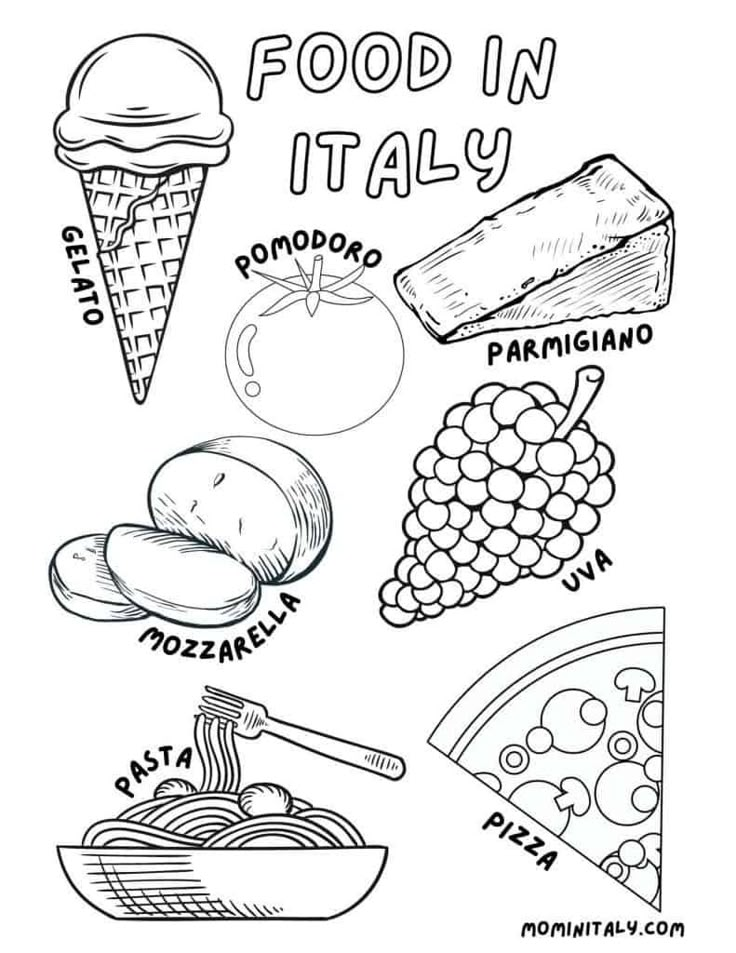
Delicious Italian Food Coloring Pages for Kids
Coloring pages italian food provide a vibrant gateway into the heart of Italy’s culinary culture. This simple activity allows both children and adults to...
Delicious Breakfast Coloring Pages for Kids – Fun & Educational Printables
Coloring pages breakfast food transforms the first meal of the day into a creative adventure, inviting both children and adults to engage with familiar dishes...

Detailed Food Coloring Pages: Fun for Kids & Adults
Detailed food coloring pages provide an engaging medium for artistic expression and culinary imagination. These intricate illustrations transform simple meals...
Realistic Food Coloring Pages: Fun For Kids & Adults
Realistic food coloring pages capture the intricate details of everyday meals, from the subtle veining in a slice of steak to the delicate translucency of a...
Delicious Adventures: Food Characters Coloring Pages for Kids
Food characters coloring pages transform simple ingredients into engaging personalities that invite both children and adults into a world of creative...