Color Worksheet Cut and Paste: Fun Learning Activities
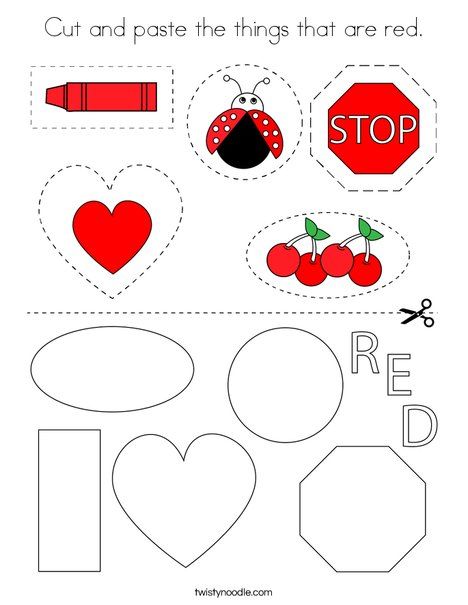
Color worksheet cut and paste activities remain a cornerstone of early childhood education, effectively bridging the gap between abstract concepts and hands-on learning. This specific method requires children to identify specific hues, match them to corresponding labels, and physically manipulate small paper pieces to form a complete picture. The process enhances fine motor precision, improves hand-eye coordination, and reinforces critical cognitive skills like pattern recognition and spatial reasoning. By transforming a standard coloring page into an interactive puzzle, educators and parents provide a multi-sensory experience that solidifies color identification in a memorable way.
Why Manipulative Learning Matters for Young Minds
Young learners thrive in environments where they can touch, sort, and construct rather than simply observe static images. The act of cutting along defined lines and placing pieces into the correct location engages different parts of the brain compared to passive coloring. This kinesthetic approach ensures that children who might struggle with traditional pencil-and-paper tasks can still demonstrate their understanding of color theory. Furthermore, the completion of the worksheet provides immediate visual feedback, allowing children to self-correct and verify their work independently, which builds confidence and encourages problem-solving.
The Educational Benefits Beyond Color Recognition
While the primary goal is to teach color identification, the benefits of a color worksheet cut and paste exercise extend far beyond the color wheel. The preparation stage, which involves sharpening pencils and organizing crayons, helps develop the pre-writing skills necessary for future literacy. The cutting practice strengthens the small muscles in the hand and fingers, while the pasting or gluing phase requires controlled application of pressure and precision. These activities collectively support the development of executive function, as children must follow multi-step instructions and plan the sequence of their work.


Practical Applications in the Classroom and Home
Teachers frequently utilize color worksheet cut and paste sheets as center activities or morning work because they are straightforward to implement and require minimal supervision once the instructions are clear. These worksheets are particularly effective for differentiated instruction, as they can be easily adapted for various skill levels. Simpler versions might involve pasting large shapes onto a primary color background, while more advanced sheets might require sorting multiple shades of a single color or matching color labels to the correct hues. Parents can leverage these worksheets during quiet time or rainy days to keep children productively engaged while reinforcing concepts learned in school.
| Skill Area | How the Activity Helps |
|---|---|
| Fine Motor Skills | Cutting practice improves scissor handling; pasting strengthens pincer grasp. |
| Cognitive Development | Sorting and matching exercises visual discrimination and logical sequencing. |
| Language Acquisition | Worksheets often include color words, promoting vocabulary and sight-word recognition. |
Customization and Creativity
One of the significant advantages of this teaching tool is its flexibility. Educators can easily create custom color worksheet cut and paste activities tailored to specific themes or lessons. For a unit on autumn, leaves can be cut out and pasted according to their color palette; for a lesson on animals, children can color and cut out animal figures to paste onto a habitat background. This adaptability ensures that the activity never becomes stale and can be aligned with broader educational goals, turning a simple coloring exercise into a comprehensive project that integrates art, science, and language arts.


To maximize the effectiveness of these worksheets, it is essential to guide the child through the process. Encourage them to identify the color of the object before cutting and to verbalize the name of the target location on the worksheet. Demonstrating the safe use of scissors and the proper technique for applying glue helps prevent frustration and mess. By approaching the activity with a structured yet supportive mindset, adults can ensure that the child derives the maximum educational benefit from the experience, transforming a simple sheet of paper into a powerful learning tool.




Related Articles

Simple Color Cut and Paste Worksheets: Fun Learning Activities
Simple color cut and paste worksheets represent a foundational educational tool that bridges the gap between playful activity and structured learning. These...
Cut and Paste Toddler Worksheets: Fun Learning Activities for Kids
Cut and paste toddler worksheets represent a foundational element in early childhood education, bridging the gap between abstract learning and tangible...
Color Match Magic: Free Printable Colors Worksheet Matching Activities
Colors worksheet matching activities serve as a foundational exercise in early childhood education, bridging the gap between abstract color perception and...

Fun Pre Nursery Maths Worksheets: Counting, Shapes & Colors Learning Activities
Establishing a strong mathematical foundation during the earliest days of schooling is a priority for parents and educators alike. For children in pre nursery...

Fun Urdu Worksheet for KG Class: Early Learning Activities
For parents and educators navigating the early stages of a child's education, finding the right resources for language development is paramount. In the context...

Free Pre Nursery Math Worksheet PDF Download – Fun Early Learning Activities
For parents and educators seeking foundational math resources, the demand for a "math worksheet for pre nursery pdf free download" is significant. These early...