Color by Number Worksheets for Elementary: Fun Math Activities for Kids
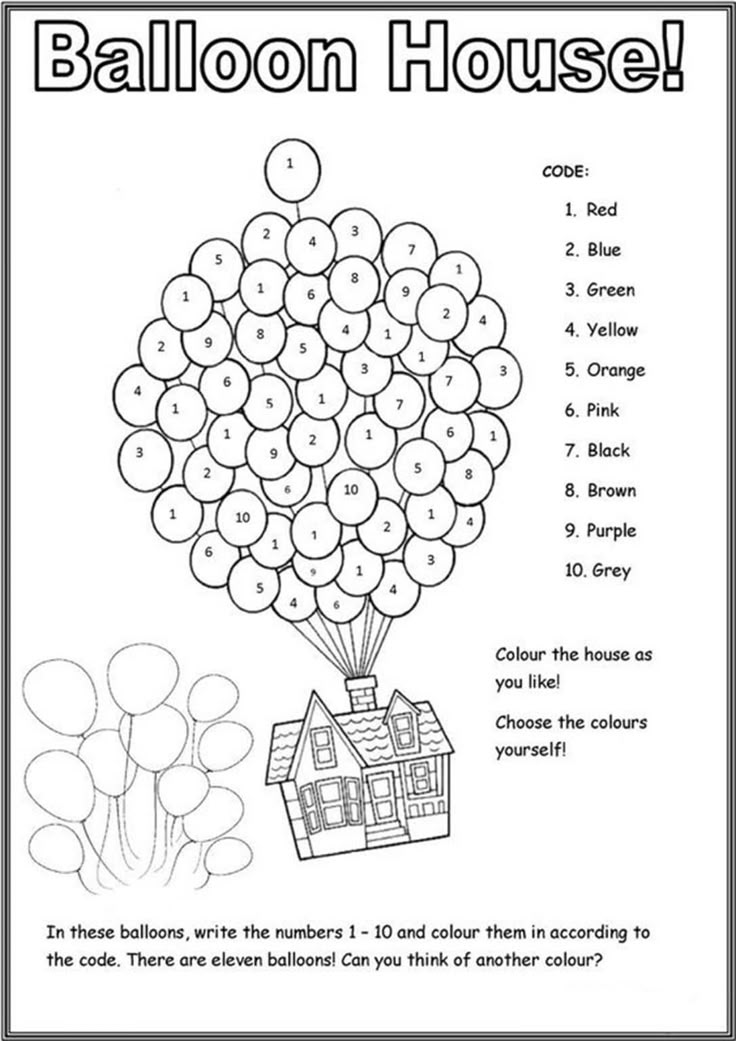
Color by number worksheets for elementary students represent a timeless educational tool that seamlessly blends artistic expression with foundational academic skills. These deceptively simple pages transform the act of learning into an engaging visual puzzle, where solving arithmetic problems or identifying letters reveals a hidden image. This method effectively captures a child’s attention, turning what could be rote memorization into an exciting mission to uncover a picture, making education feel like play rather than a chore.
Why This Method Resonates With Young Learners
The effectiveness of color by number activities lies in their multi-sensory appeal. Children are naturally visual creatures, and the promise of completing a vibrant image provides powerful intrinsic motivation. As they progress through the sequence, they experience immediate gratification, seeing the picture emerge piece by piece. This process reinforces focus, hand-eye coordination, and the understanding that following instructions leads to a successful outcome, which are valuable skills that extend far beyond the worksheet itself.
Cognitive and Educational Benefits
Beneath the fun surface, these worksheets are delivering concrete educational value. For younger children, they often focus on number recognition and basic one-to-one correspondence, where a specific number corresponds to a specific color. As students advance, the complexity can increase to include simple addition, subtraction, multiplication, or even letter identification and phonics sounds. This stealth learning approach allows children to practice critical academic standards without the resistance that sometimes accompanies traditional drill exercises.


Subject Integration Made Easy
One of the greatest strengths of this format is its versatility across different subjects. While math is the most common application, educators and parents can utilize these worksheets to reinforce a wide array of elementary curriculum goals. They can be used to teach color theory, reinforce vocabulary in a foreign language, or solidify knowledge of anatomy, geography, or science facts. The structure provides a reliable framework that can adapt to various learning objectives.
| Subject | Skill Reinforced | Example Activity |
|---|---|---|
| Mathematics | Addition, Subtraction, Number Sense | Solve 7 + 5 to find the color code for the sky. |
| Language Arts | Letter Recognition, Phonics, Sight Words | Match the letter "B" to the color blue to outline a butterfly. |
| Science | Vocabulary, Classification | Identify parts of a plant using a specific color for roots, stem, and leaves. |
Managing Complexity for Different Age Groups
When selecting or creating these worksheets, it is crucial to consider the appropriate difficulty level. For kindergarten or first-grade students, the focus should be on single-digit numbers and a limited color palette to avoid frustration. Older elementary students, such as those in third or fourth grade, can handle more complex equations that require them to solve for the color key before they even begin the coloring process. This ensures the activity remains challenging yet achievable for every developmental stage.


Despite the rise of digital games and interactive apps, the physical act of holding a crayon or pencil to fill in a space remains significant. Coloring within the lines of these numbered sections helps children develop the fine motor skills necessary for writing and other detailed tasks. The repetitive motion of coloring encourages relaxation and patience, teaching children to slow down and concentrate on the task at hand, which is a valuable counterbalance to the fast-paced digital world they inhabit.
Maximizing the Learning Experience
To get the most out of these resources, consider how you present them to the child. Instead of simply handing over a worksheet, frame the activity as a collaborative puzzle or a story where they must decode the clues to reveal the final picture. Asking guiding questions—such as "What number do we look for first?" or "I found the answer to 8 times 2, what color does that make?"—helps to solidify the learning objective and transforms the activity into a dynamic teaching moment rather than a passive task.



Related Articles
Color by Number Elementary Printable: Fun Math Worksheets for Kids
Color by number elementary printable pages transform basic number recognition into a vibrant artistic experience for young learners. These activity sheets...
Free Printable Elementary School Math Worksheets – Fun Activities for Kids
For educators and parents navigating the early stages of a child's academic journey, finding high-quality, ready-to-use resources is essential. Elementary...

Color by Number Christmas Addition: Festive Math Fun for Kids
Color by number Christmas addition presents a unique intersection of festive creativity and foundational arithmetic practice. This engaging activity transforms...
Free Color by Number Multiplication – Fun Math Practice for Kids
Free color by number multiplication resources have become a vital tool for educators and parents seeking to make arithmetic practice more engaging for young...

Bluey Math Worksheets Printable: Fun Math Activities for Kids
Parents and educators seeking engaging educational tools often discover the value of bluey math worksheets printable resources. These specific materials...

Color by Number Addition Fall: Free Math Coloring Worksheets
As the leaves change color and the air turns crisp, educators and parents seek engaging ways to keep young minds active. Color by number addition fall...