Color by Number Picture: Free Printables and Easy Coloring Pages
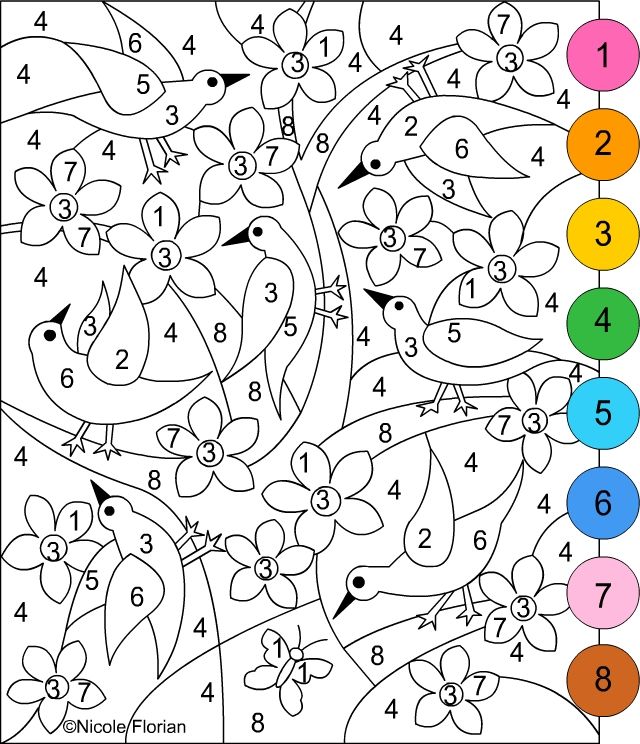
Color by number picture activities trace their origins to simple educational tools designed to help young children recognize numerals and their corresponding values. What began as a classroom aid has evolved into a surprisingly sophisticated pastime enjoyed by individuals seeking a structured yet creative outlet. This method combines the logic of mathematics with the expressive nature of art, creating a unique experience that is both calming and rewarding. The process involves a grid where each segment is marked with a number that corresponds to a specific color, gradually revealing a complete image as the page fills in.
The Psychological Appeal of Structured Creativity
The popularity of color by number picture projects lies in their ability to induce a state of focused relaxation. Unlike open-ended artistic endeavors, the framework provided by the numbers reduces the cognitive load associated with making creative decisions. This guided process allows the mind to enter a meditative flow, where the primary goal is the mindful application of color rather than the conceptualization of the final piece. The act of matching a symbol (the number) to a solution (the color) provides immediate, low-stakes feedback, creating a satisfying loop of action and verification that is inherently engaging.
Benefits for Cognitive Development
Beyond relaxation, these exercises offer tangible benefits for cognitive function, particularly in younger learners. Children engage in number recognition and sequencing, reinforcing their understanding of numerical order and quantity. The activity requires a degree of concentration and hand-eye coordination as individuals control their tools to stay within the lines. Furthermore, the gradual reveal of the image teaches patience and reinforces the idea that complex outcomes are built through the accumulation of small, deliberate actions.


From Pastime to Professional Application
While often categorized as children’s entertainment or adult hobby, the principles behind color by number picture logic extend into professional fields. In educational settings, instructors use customized templates to teach everything from basic arithmetic to color theory. The structured nature of the exercise makes it an excellent tool for occupational therapy, where it helps patients rebuild fine motor skills and focus. The format translates easily into digital interfaces, forming the basis for popular mobile games that introduce coding logic and pattern recognition in an accessible format.
Customization and Modern Iterations
The digital age has transformed the humble color by number picture into a highly customizable experience. Users can now upload personal photographs to generate unique grids, turning family portraits or vacation snapshots into interactive puzzles. This personalization adds a layer of emotional resonance to the activity, as the act of coloring becomes a journey of discovery rather than a fill-in-the-blanks task. Modern software allows for intricate gradients and detailed shading, proving that this method is capable of producing surprisingly complex and sophisticated results.


Artists and designers have also adopted the methodology, using it as a foundation for large-scale murals and pixel art. By scaling up the grid, creators can involve communities or manage massive projects one small square at a time. This approach democratizes art creation, allowing individuals with varying skill levels to contribute to a unified whole. The final product retains the meticulous order of the technique while showcasing the vibrant diversity of color chosen by the participants.
The Enduring Legacy of a Simple Technique
Color by number picture exercises persist because they satisfy a fundamental human desire for order and creation. They provide a clear starting point and a defined endpoint, which is a rarity in an often ambiguous world. Whether used as a tool for education, a method for stress relief, or a foundation for collaborative art, this technique demonstrates the power of structure in unlocking creativity. The simple act of filling a square with a specific hue becomes a satisfying step in the construction of a complete vision.


Related Articles

Free Color by Number Printables: Fun & Educational Coloring Pages for Kids
Free color by number printables have become a quietly powerful tool in both education and relaxation. This simple concept merges the structure of a coloring...
Free Color by Number Printables – Fun & Easy Coloring for Kids
Color by number free print resources have become a ubiquitous pastime for individuals seeking a structured yet relaxing creative outlet. This activity bridges...

Spooky & Easy: Halloween Color by Number Pages (Free Printables)
Easy Halloween color by number pages transform a simple childhood activity into a surprisingly effective tool for relaxation and creative expression. These...

Cute Panda Picture to Color: Free Printable Coloring Pages for Kids
The intricate charm of a panda picture to color page transforms a simple drawing into an engaging experience. Often featuring the iconic black and white...

Printable Color by Number Spring: Free Coloring Pages for Kids
Spring color by number pages offer a unique blend of relaxation and creativity, transforming simple numerical guides into vibrant scenes of blooming gardens...

Dirt Bike Picture To Color: Free Printable Coloring Pages For Kids
Dirt bike picture to color pages transform a high-octane moment of motocross into a creative outlet for riders of all ages. These printable templates capture...