Circle the Letter I Worksheet: Free Printable Tracing Practice
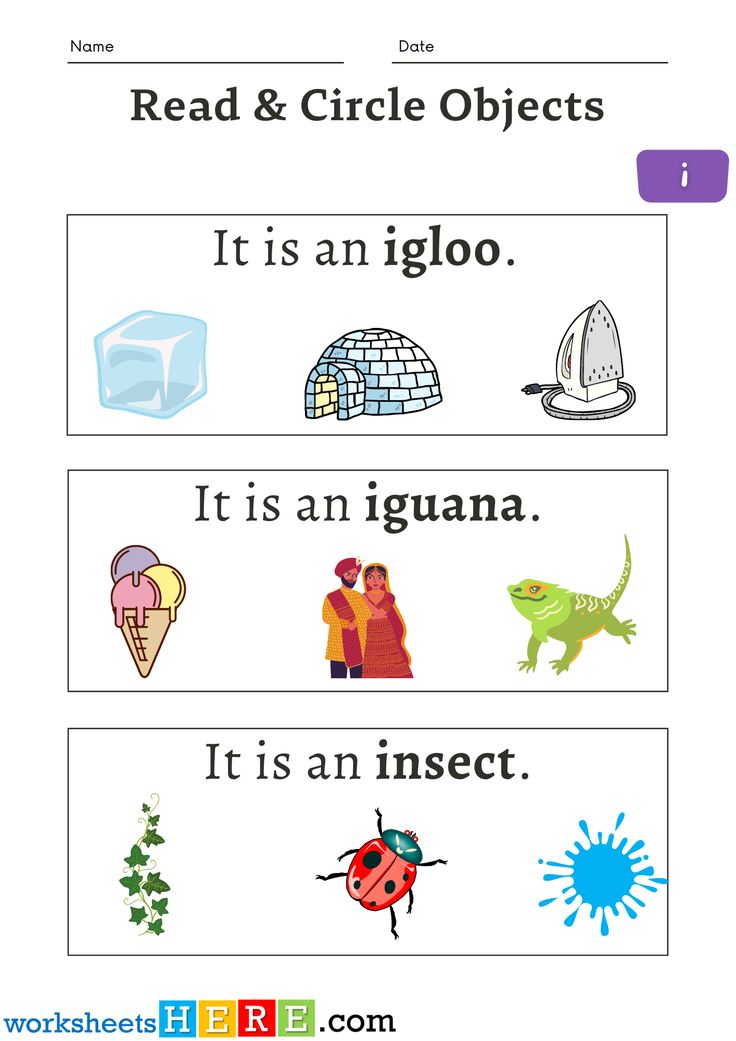
Mastering the foundational elements of written language often begins with a single, focused exercise, and the circle the letter i worksheet is precisely this tool. This seemingly simple activity plays a critical role in the developmental journey of young learners, transforming abstract letterforms into tangible shapes they can confidently produce. By isolating the specific components of a letter, these worksheets provide a structured environment for children to refine their motor skills and visual perception.
The Core Purpose of Letter I Tracing Activities
The primary objective of a circle the letter i worksheet is to bridge the gap between recognition and formation. Children are typically adept at identifying letters in a book or on a screen, but reproducing them requires a different set of cognitive and physical abilities. These worksheets serve as a guided map, helping students understand the specific sequence of strokes needed to create the letter "i" correctly, from the initial downstroke to the precise placement of the dot.
Developing Fine Motor Precision
One of the most significant benefits of these exercises is the enhancement of fine motor skills. The act of gripping a pencil, applying consistent pressure, and controlling small movements to complete the dot and the vertical line strengthens the small muscles in the hand and fingers. This level of dexterity is not only essential for future cursive writing but also for developing the coordination necessary for tasks like using scissors or buttoning clothing.


Visual Discrimination and Letter Recognition
A circle the letter i worksheet often includes multiple instances of the letter "i" mixed with similar-looking characters or confusingly positioned dots. This design element is intentional, fostering visual discrimination. Learners must carefully analyze each instance, distinguishing between a correctly formed "i" and common errors, such as a dot placed too high or a line that curves unexpectedly. This process sharpens a child's eye for detail and reinforces the correct mental image of the letter.
- Top Dot Positioning: Ensuring the dot is placed correctly above the line, not drifting to the left or right.
- Consistent Stroke Order: Practicing the standard sequence of writing the vertical line first, then adding the dot.
- Size and Spacing: Understanding how the letter "i" relates to other letters in terms of height and the space it occupies on the line.
The Role of Repetition in Skill Mastery
Learning to write is fundamentally a process of building muscle memory, and repetition is the engine that drives this process. A dedicated worksheet provides a low-stakes environment where children can repeat the formation of the letter "i" numerous times without the pressure of creating a perfect final product. This consistent practice embeds the correct movement patterns into the student's procedural memory, making the eventual fluent writing of the letter feel automatic and natural.


Integrating the Worksheet into a Broader Learning Strategy
While a circle the letter i worksheet is a powerful standalone tool, its effectiveness is maximized when it is part of a holistic literacy approach. Educators and parents can enhance the learning experience by combining the worksheet with multi-sensory activities. For instance, after tracing the letter, a child could form the letter "i" with play-dough, trace it in a sand tray, or associate it with the sound it makes. This multi-modal reinforcement solidifies the connection between the visual symbol, the physical movement, and the phonetic sound.
Assessing Progress and Providing Constructive Feedback
For educators and parents, the circle the letter i worksheet also serves as an invaluable assessment tool. By observing a child's interaction with the sheet, adults can identify specific areas where a student might be struggling, such as difficulty with pencil grip or consistently misplacing the dot. This insight allows for targeted support and positive feedback, celebrating small victories and guiding the child toward the next milestone with confidence and clarity.




Related Articles

Circle the Letter B Worksheet: Free Printable Tracing Practice
Mastering foundational literacy skills often begins with the simplest of tasks, and one of the most critical early exercises is learning to identify and form...

A to Z Letter Tracing Worksheets: Free Printable Practice for Kids
Mastering the foundational elements of language is often the first step in a child's educational journey, and few tools are as effective as a dedicated...

Free Tracing Worksheet Printables for Kids – Pre-Writing Practice and Letter Formation
For educators and parents constantly seeking high-quality, no-cost educational tools, the search for a reliable tracing worksheet free resource is a common...

Tamil Letters Tracing Worksheet: Free Printable Practice for Kids
Mastering the foundational elements of language is a journey that begins with the smallest details, and for children embarking on the path of reading and...

Printable Dotted Letter A Tracing PDF Worksheet - Free Template
Mastering the foundational elements of written communication often begins with the simplest of tools, and the printable dotted letter a tracing pdf worksheet...

Free Letter B Dot Worksheet – Tracing & Coloring Practice for Kids
Parents and educators searching for effective resources to support early literacy development often encounter the search term "letter b dot worksheet free."...