Cinnamoroll Milk Coloring Page: Cute Cupcake Puppy Printables
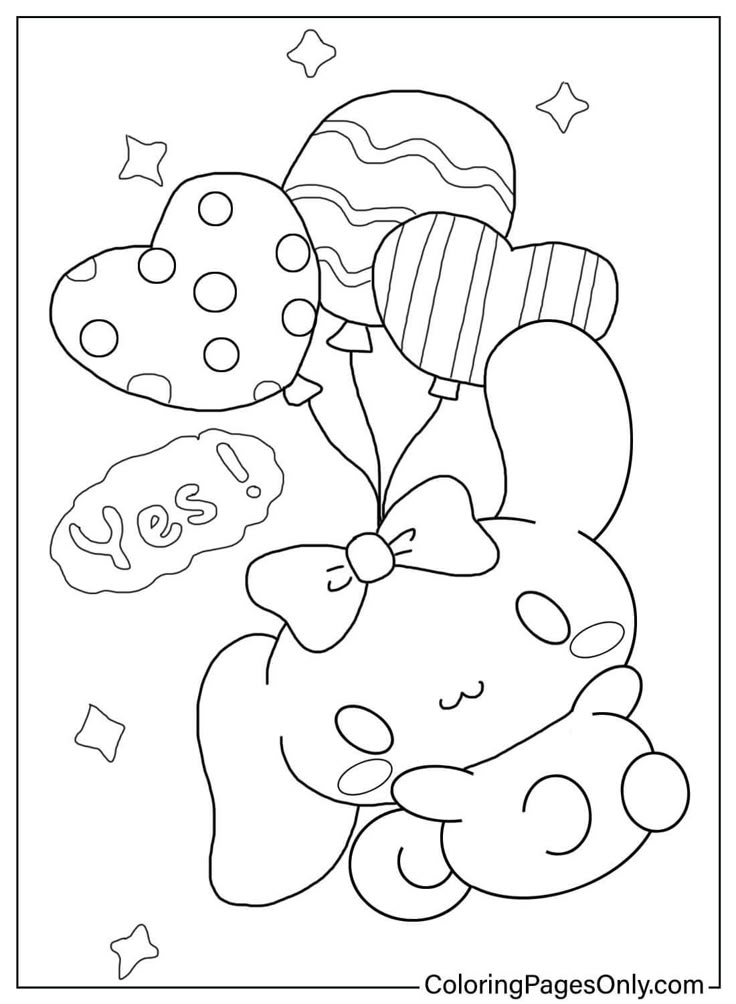
The cinnamoroll and milk coloring page presents a delightful fusion of character-based art and a calming creative outlet. This specific combination appeals to a wide demographic, from young children discovering the joy of coloring to adult fans of Sanrio seeking a mindful activity. The pairing leverages the innocent charm of the cloud-pup and the wholesome simplicity of a glass of milk, creating a scene that is both visually soft and emotionally comforting. Engaging with these printable sheets allows individuals to explore color theory within a familiar and gently whimsical context.
Understanding the Cinnamoroll Character
Cinnamorroll, often affectionately called Cinnamo, is a white puppy with distinctly large, floppy ears that resemble a cinnamon roll's shape. Created by Sanrio in 2001, the character is defined by its sweet, shy, and gentle personality. Unlike more energetic mascots, Cinnamorroll communicates primarily through expressive eyes and subtle movements, which makes the character endearing and easy to project feelings onto. The aesthetic focuses on soft curves and a pastel palette, which naturally complements serene imagery like a quiet moment with a glass of milk.
The Appeal of Milk-Themed Coloring Pages
Milk coloring pages occupy a unique niche in the world of activity sheets. They often depict simple, wholesome scenes—a glass on a table, a carton nearby, or a character enjoying a drink. This simplicity is a strength, as it provides clear boundaries for younger children while still offering room for artistic interpretation. When combined with a character like Cinnamoroll, the theme shifts to a narrative of comfort, care, and everyday joy. The monochrome backdrop of the coloring page allows the soft colors of the character to stand out, enhancing the visual impact of the finished artwork.


Educational and Developmental Benefits
Beyond mere entertainment, utilizing a cinnamoroll and milk coloring page offers significant developmental advantages for children. The act of gripping crayons or markers helps refine the pincer grasp and hand-eye coordination. Selecting colors for the puppy’s ears or the milk’s reflection encourages decision-making and artistic expression. Furthermore, staying within the lines fosters concentration and patience, while the familiar subject matter aids in narrative development as the child imagines the story behind the scene.
Artistic Expression and Color Theory
Color Selection and Harmony
These coloring pages serve as an excellent introduction to basic color theory. Children learn that brown is not a single color, exploring shades for the cinnamon roll-inspired ears and the chocolate milk often depicted. They might choose a bright white for the puppy’s chest or experiment with gradients to create depth in the glass of milk. This process teaches the relationship between complementary colors—such as the warmth of brown against the coolness of white or blue often used for the milk background—fostering an intuitive sense of harmony.


Creating Depth and Texture
Advanced colorists can utilize the page to practice techniques like shading and cross-hatching. The soft ears of Cinnamoroll can be brought to life with subtle gradients, suggesting the fluffiness of the fur. The glass of milk can be given a three-dimensional quality by layering lighter tones over darker ones to simulate reflections and condensation. These activities move the sheet from a simple pastime to a legitimate art exercise, developing fine motor skills and a keen eye for detail.
Where to Find These Specific Coloring Pages
Accessing high-quality cinnamoroll and milk coloring page files is straightforward, though vigilance regarding legality is essential. The most reliable sources are official Sanrio websites during promotional periods, educational platforms focused on licensed characters, or curated marketplaces that offer digital downloads from verified artists. When searching, using specific keywords ensures better results than generic terms, leading to images with cleaner lines and more engaging compositions suitable for printing.
Tips for Printing and Usage
- Opt for higher weight paper (such as cardstock) to prevent bleed-through if using markers.
- Utilize a printer setting that emphasizes "line quality" or "darkness" to ensure crisp outlines.
- Consider laminating the finished piece to preserve the artwork or use it as a placemat.
- Pair the activity with a small glass of milk for a complete sensory experience for the child.




Related Articles

Cinnamoroll Coloring Pages: Cute Cupcake Puppy Printables for Kids
The delightful world of cinnamoroll offers a unique opportunity for creative expression, especially when paired with the timeless activity of coloring. Known...
Cinnamoroll Coloring Book Page: Cute Puppy Paws & Clouds Print for Kids
The cinnamoroll coloring book page has emerged as a beloved digital asset for parents and educators seeking to engage children with a familiar and charming...
Cinnamoroll Printable Coloring Page: Cute Cinnamon Puppy Fun!
The cinnamoroll printable coloring page offers a delightful gateway into the charming world of Sanrio characters. This specific activity allows fans of all...
Cinnamoroll Coloring Pages Online: Cute Cupcake Puppy Fun
Parents and educators seeking creative outlets for children are increasingly turning to digital resources, and cinnamoroll coloring pages online represent a...
Cinnamoroll Coloring Pages: Cute Cloud Puppy Free Printables
The world of Cinnamoroll offers a delightful escape into a sky-high bakery filled with charming cloud-like puppies. These gentle creatures, with their pastel...
Cinnamoroll Coloring Page Print: Cute Cinnamon Puppy Outline Download
The cinnamoroll coloring page print represents a delightful niche within the vast world of online printable activities, specifically appealing to fans of...