Brontosaurus Dinosaur Color: Fun Facts and Coloring Pages for Kids
When we imagine the prehistoric world, color is one of the most evocative details, yet it is also one of the most elusive. For a creature as iconic as the brontosaurus, the question of what color it was sparks the imagination, bridging the gap between the dry bones of the fossil record and the vibrant reality of the Mesozoic Era. Understanding the brontosaurus dinosaur color requires us to look beyond artistic license and examine the emerging science of paleocoloration.
The Fossil Evidence Palette
Unlike the feathers of some dinosaurs, which have provided direct evidence of pigment structures called melanosomes, the skin fossils of a brontosaurus are exceptionally rare. Most of what science knows about its potential appearance comes from closely related sauropods like Diplodocus and Brontosaurus excelsus fossils that have preserved traces of soft tissues. These rare impressions have revealed texture rather than color, showing that the skin was thick and likely wrinkled, but offered no direct clue to its hue. This lack of direct evidence means that determining the brontosaurus dinosaur color relies heavily on indirect methods and educated speculation.
Decoding Pigments from Physiology
To infer color, researchers look to the animal's biology and environment. Many modern reptiles utilize melanin—the same pigment responsible for human skin tones—to regulate body temperature. A darker hide would absorb more heat, which would be advantageous for a massive, cold-blooded creature living in a cooler climate or during periods of lower solar radiation. Conversely, a lighter color would reflect intense tropical sun to prevent overheating. Therefore, the brontosaurus dinosaur color was likely influenced by thermoregulation, with darker tones being a strong possibility for the cooler mornings and evenings in its Jurassic habitat.


Camouflage and Survival Strategies
While the vast size of an adult brontosaurus provided significant defense against predators, camouflage may have played a role in its life cycle, particularly for juveniles. The forests of the Late Jurassic were dappled with light filtering through dense foliage. Analyzing the sedimentary layers where fossils are found suggests an environment with open fern prairies interspersed with conifer forests. In such a setting, a mottled pattern in shades of gray, brown, or olive would have been highly effective for breaking up the outline of the massive animal. This protective coloration would make it harder for predators like *Allosaurus* to single out an individual, especially when standing still among tree trunks and shadows.
The Role of Trace Fossils and Technology
Advancements in technology are slowly changing the game for paleontologists. While we lack the full-body color fossils of a brontosaurus, scientists are employing spectroscopy and chemical analysis to detect the presence of organic compounds in fossils. By identifying molecules associated with carotenoids or other pigments, researchers can sometimes determine if an animal was red, green, or black. So far, these methods have been more successful with feathers and smaller creatures, but they represent the frontier of paleontological inquiry. The hope is that future discoveries of better-preserved specimens might finally reveal the chemical signature of the brontosaurus dinosaur color.


Artistic Interpretation Vs. Scientific Reality
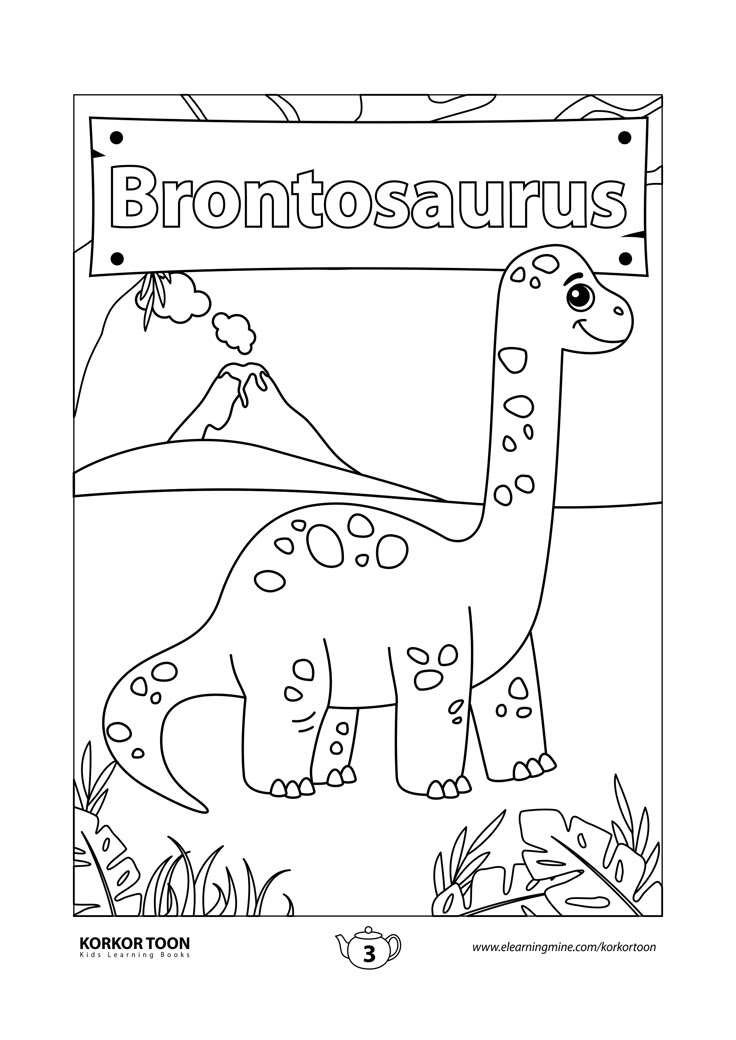
Public perception of the brontosaurus color is heavily shaped by museum murals, illustrations, and pop culture, which often depict them as drab, grayish-green beasts. While this stereotype served early paleontology when evidence was scarce, modern understanding encourages a more dynamic view. There is no single "correct" answer, but a spectrum of likely possibilities. Artistic renderings often err on the side of monotony, but the reality could have been far more interesting. The true brontosaurus dinosaur color might have been a subtle gradient, darker along the spine and lighter on the belly, a pattern known as countershading that aids in camouflage regardless of the specific hue.
Current Consensus and Ongoing Mysteries
Today, the most scientifically supported theories suggest that the brontosaurus wore an earthy palette. Think deep charcoal, muted olive, or a dusty sandstone color. These tones would have provided excellent camouflage in the foggy valleys and pine forests of the Jurassic period. The underside of the neck and belly may have been lighter, creating a visual effect that helped to confuse predators trying to gauge the dinosaur's position. Ultimately, the exact brontosaurus dinosaur color remains a mystery locked in stone, but the ongoing study of fossil chemistry and comparative biology ensures that our guesses are becoming more informed and less arbitrary every day.


Related Articles
Roaring Fun: Brontosaurus Dinosaur Coloring Pages for Kids
The brontosaurus dinosaur coloring pages provide a vibrant gateway into the prehistoric world, inviting both children and adults to connect with these...

Dinosaur Color Sheet PDF: 10 Free Printable Coloring Pages For Kids
Dinosaur color sheet pdf resources have become a primary tool for parents and educators seeking to blend entertainment with learning. These printable pages...

Dinosaur Coloring Pages with Facts: Roar-some Fun for Kids!
Dinosaur coloring pages with facts transform a simple childhood activity into an engaging educational journey. These printable sheets provide accurate...
Roaring Fun: Free Printable Dinosaur Coloring Pages Brontosaurus For Kids
Dinosaur coloring pages featuring the iconic brontosaurus offer a captivating gateway to the prehistoric world, allowing children and adults alike to connect...

Free Color by Number Printables: Fun & Educational Coloring Pages for Kids
Free color by number printables have become a quietly powerful tool in both education and relaxation. This simple concept merges the structure of a coloring...

Camping Coloring Pages for Kids: Fun Nature Scenes to Print & Color
Camping coloring pages kids transform screen time into creative outdoor adventures, offering a portable escape to nature that fits right in a backpack. These...