Baby Dinosaur Coloring Pages: Roaring Fun for Kids
Baby dinosaur coloring pages offer a unique blend of prehistoric adventure and creative expression for young artists. These charming illustrations capture the playful innocence of infant dinosaurs, making the ancient world feel accessible and delightful rather than intimidating. Parents and educators often seek these specific pages because they depict subjects that are both exciting and non-threatening. By focusing on the youngest members of the dino kingdom, the activity transforms into a friendly encounter with nature’s history. This format is perfectly suited for developing fine motor skills while sparking imagination.
Why Baby Dinosaurs Capture the Imagination
The appeal of baby dinosaur coloring pages lies in the inherent cuteness factor, a concept that transcends species. Just as human infants trigger protective instincts and joy, young sauropods or T-Rex hatchlings elicit a similar response. These depictions strip away the ferocity often associated with their larger counterparts, replacing it with wonder and curiosity. Children can easily project their own personalities onto these small creatures, fostering a personal connection. This emotional engagement is the key to holding a child's interest for extended periods, turning a simple pastime into an immersive storytelling session.
Educational Benefits Beyond the Lines
Developing Motor Skills and Focus
Engaging with baby dinosaur coloring pages is a foundational exercise for developing pencil grip and control. The act of staying within the lines helps children build the precise hand-eye coordination required for future writing tasks. Furthermore, choosing colors and managing crayons or markers enhances bilateral coordination. The prehistoric theme provides a captivating context that encourages sustained attention, allowing kids to practice concentration in a low-pressure, enjoyable environment.


Learning Through Color and Context
While the pages are fun, they also serve as subtle science primers. Children learn that dinosaurs, like modern animals, likely came in a variety of colors and patterns. This opens a gentle dialogue about adaptation, camouflage, and the diversity of life, both past and present. Parents can use the activity to discuss habitat, diet, and the distinction between herbivores and carnivores using the illustrations as visual aids. The baby theme specifically allows for a simplified introduction to complex biological concepts without overwhelming the child.
Variety of Designs and Styles
The market for these coloring sheets is diverse, catering to various age groups and artistic preferences. You can find minimalist line art suitable for toddlers just starting to grip a crayon, featuring simple outlines of triceratops or duck-billed dinosaurs. Conversely, more intricate designs showcase detailed scales, expressive eyes, and dynamic poses for older children seeking a challenge. Common themes include scenes of nesting mothers, playful herds, and gentle giants interacting with their volcanic or forested landscapes, providing a rich visual palette for coloring.


| Age Group | Design Complexity | Educational Focus |
|---|---|---|
| 2-4 Years | Simple outlines, large shapes | Color recognition, basic motor skills |
| 5-7 Years | Moderate detail, varied patterns | Species differentiation, habitat awareness |
| 8+ Years | Intricate shading, dynamic scenes | Anatomy accuracy, artistic expression |
Integrating Technology and Tradition
In the modern era, baby dinosaur coloring pages have evolved beyond the physical book. Numerous websites and applications offer digital versions, allowing for endless color palettes and unlimited do-overs. Parents can print these digital sheets, providing a sustainable option for repeated use. Interactive tablet apps combine the coloring experience with gentle animations and sound effects, creating a multisensory learning adventure. This blend of traditional craft and digital innovation ensures the activity remains relevant and engaging for screen-native generations.
Tips for a Creative Coloring Session
To maximize the enjoyment of these pages, consider setting up a small "excavation station" nearby with plastic dinosaur toys. This allows the child to reference the toys while coloring, promoting observational skills. Encourage the use of unconventional colors—a purple brontosaurus or a polka-spotted raptor helps break the monotony and validates creative freedom. Most importantly, participate in the activity; coloring alongside your child transforms it from a solo task into a cherished bonding experience filled with conversation and shared laughter.
Where to Find Quality Illustrations
Finding high-quality baby dinosaur coloring pages requires a bit of curation to ensure the art is appropriate and appealing. Educational sites often provide scientifically inspired drawings that are both accurate and charming. Major stock image sites typically house vast libraries of commercial-use illustrations, perfect for bloggers or small business owners creating printable kits. Social media platforms like Pinterest act as visual search engines, linking you directly to artists' portfolios. When selecting, prioritize images with clear lines and balanced compositions that will print cleanly on standard paper.


Related Articles

Roaring T-Rex Coloring Pages: Frightfully Fun Dinosaur Art for Kids
For parents and educators seeking engaging activities for young dinosaur enthusiasts, scary T Rex coloring pages present a thrilling option. These printable...

Roaring Jurassic Park Dinosaur Coloring Pages For Kids
The search for a dinosaur coloring page jurassic park taps into a unique intersection of childhood creativity and blockbuster cinematic nostalgia. Fans of all...
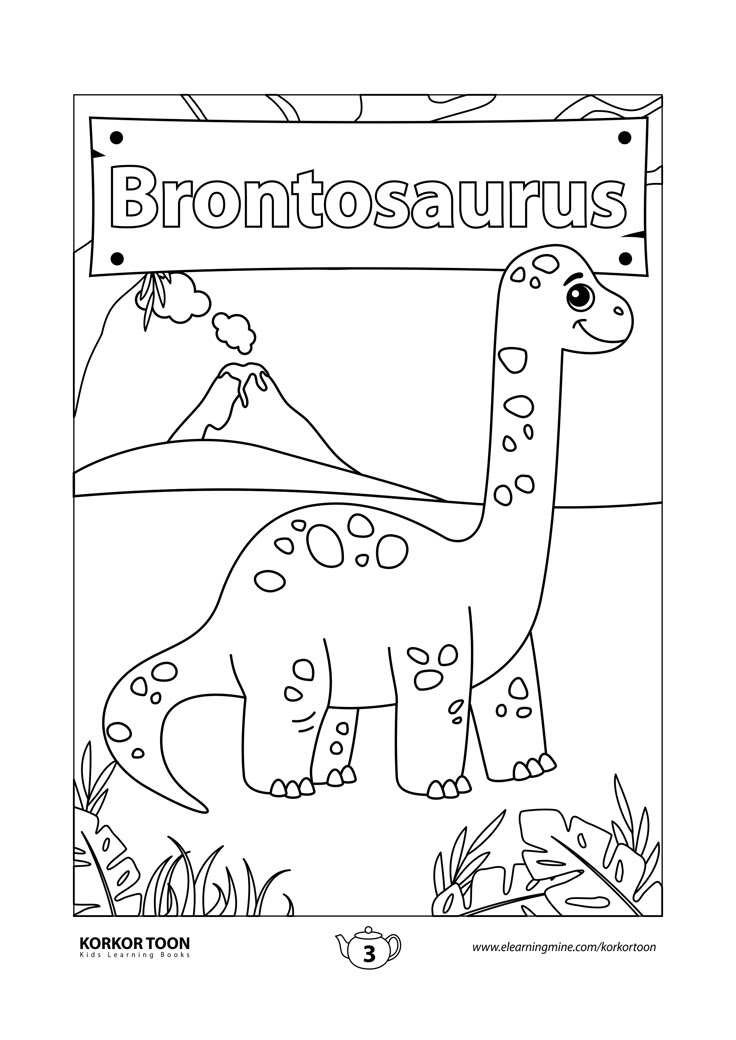
Roaring Fun: Brontosaurus Dinosaur Coloring Pages for Kids
The brontosaurus dinosaur coloring pages provide a vibrant gateway into the prehistoric world, inviting both children and adults to connect with these...

Roaring Dragons & Dinosaurs: Ultimate Coloring Pages for Kids
Dragon and dinosaur coloring pages present a thrilling intersection of myth and prehistory, inviting artists of all ages to color scenes of epic battles and...

Roaring Fun: Free Velociraptor Dinosaur Coloring Pages for Kids
Velociraptor dinosaur coloring pages offer a captivating window into the prehistoric world, allowing artists of all ages to bring these iconic carnivores to...

Roaring Dinosaur Truck Coloring Pages For Kids
Dinosaur truck coloring pages merge the primal fascination of prehistoric creatures with the robust engineering of modern haulers, offering a unique canvas for...