Master the Spanish Alphabet Letters: Your Complete Guide
While the English alphabet often serves as the universal baseline for discussing written language, the Spanish alphabet carries its own distinct set of characters and rules that define the sound and structure of Spanish globally. Understanding these letters is essential for anyone looking to master the Spanish language, as each symbol represents a specific sound that contributes to the rhythm and clarity of speech. This guide provides a detailed look at the official letters, their pronunciation, and the nuances that set the Spanish alphabet apart from others.
The Official Spanish Alphabet: Definition and Scope
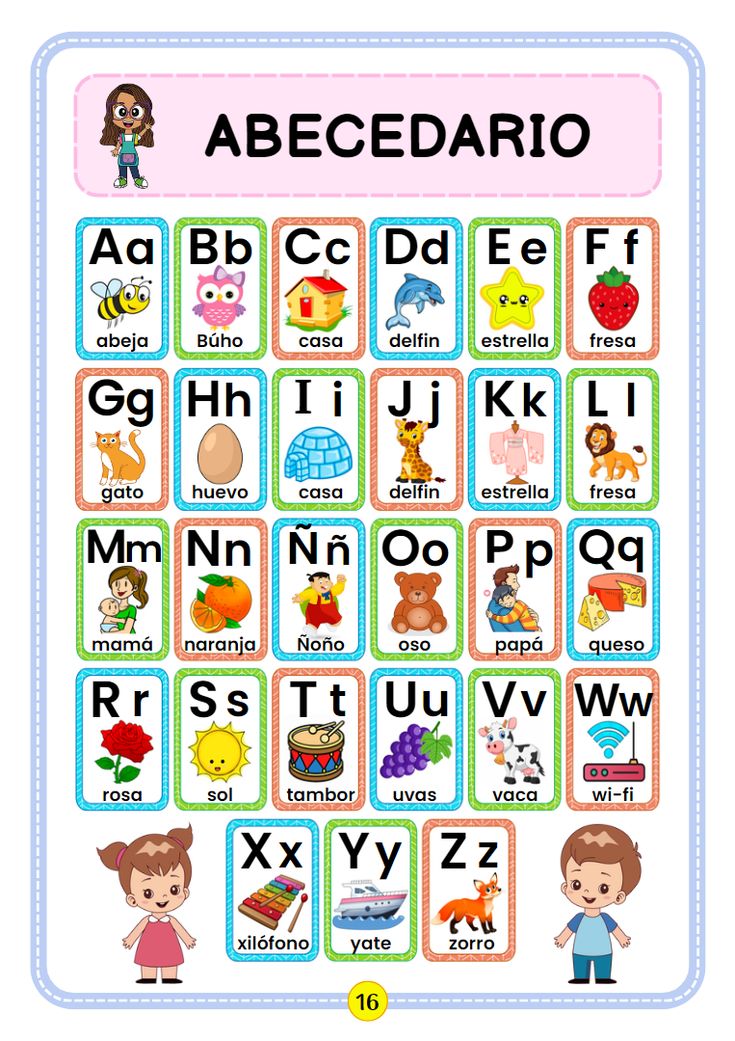
The Royal Spanish Academy (RAE) establishes the definitive standard for the Spanish language, including its orthography. According to the RAE, the Spanish alphabet consists of 27 letters, which includes the 26 letters of the Latin alphabet plus one additional character. This governing body ensures consistency across Spanish-speaking nations, dictating how words are spelled and how sounds are represented in writing. This standardized set is crucial for education, publishing, and linguistic clarity throughout the Spanish-speaking world.
Listing the 27 Letters
The following list presents the letters in their official order as recognized by the RAE:


- a
- b
- c
- d
- e
- f
- g
- h
- i
- j
- k
- l
- m
- n
- ñ
- o
- p
- q
- r
- s
- t
- u
- v
- w
- x
- y
- z
The Unique Character: Ñ (Eñe)
Perhaps the most distinctive feature of the Spanish alphabet is the letter ñ, known as "eñe." This letter is not a decorative variant of "n"; rather, it is a separate entity that represents a specific palatal nasal sound, similar to the "ni" sound in "canyon." The inclusion of ñ officially in 2010 solidified its status as a fundamental part of the language. Words like *mañana* (tomorrow) and *señor* (sir) rely on this letter to convey their correct meaning, distinguishing them entirely from words ending in "n."
Clarifying the Role of W and K
Unlike in English, the letters "w" and "k" hold a much more limited role in standard Spanish. These letters are considered foreign to the native phonological system and are primarily used in words borrowed from other languages, particularly indigenous terms, modern technology, and brand names. For instance, "whisky" or "kilo" appear in Spanish texts, but they are exceptions rather than the rule. Native Spanish words are crafted using the other letters, making "w" and "k" relatively rare in everyday vocabulary.


Pronunciation vs. Spelling: The Ch and Ll Controversy
A significant point of interest in the Spanish alphabet is the historical treatment of digraphs—pairs of letters that represent a single sound. For many years, "ch" (as in *chico*) and "ll" (as in *llave*) were considered separate letters in the alphabet, which would have placed them between "c" and "d" and between "l" and "m," respectively. However, a 2010 orthographic reform by the RAE removed them from the official alphabet list. While they are no longer classified as separate letters, they remain vital components of Spanish spelling and pronunciation, representing distinct sounds that differ from their individual components.
The Musicality of the Spanish Alphabet
One of the defining characteristics of the Spanish language is its phonetic regularity, which stems directly from its alphabet. In English, the relationship between letters and sounds is often inconsistent, but Spanish is largely predictable. If you see a word written down, you can generally pronounce it correctly on the first try. This transparency is a direct result of the disciplined use of the 27 letters defined by the RAE. Mastering the alphabet allows learners to decode the language efficiently, turning writing into a reliable mirror of sound and greatly aiding in the development of conversational fluency.


Related Articles
Master the Spanish Alphabet and Letters: Your Ultimate Guide
The Spanish alphabet serves as the foundational framework for written communication in the Spanish language, comprising 27 letters that blend Latin heritage...

Master the Hebrew Alphabet Letters A to Z: A Complete Visual Guide
The Hebrew alphabet, known as the Aleph-Bet, serves as the foundational building block for reading, writing, and understanding the Hebrew language. This script...

Master Block Letters A to Z: The Ultimate Alphabet Guide
The block letters alphabet from A to Z represents a foundational element of written communication, serving as the building blocks for language and visual...

Master the Lowercase Lacing Alphabet: A Fun Guide to Learning Letters
For enthusiasts of typography, calligraphy, and meticulous design, the lowercase lacing alphabet represents a fascinating intersection of art and technique...

Master the Lowercase English Alphabet: Your Ultimate Guide
The lowercase english alphabet forms the foundational building block of written communication in the digital age. Every email, text message, and web page...

Alphabet Letters with Numbers A to Z: The Complete Guide
Alphabet letters with numbers a to z represent a systematic mapping where each character in the Latin script is assigned a corresponding numerical identifier...