Alphabet Book Worksheet: Tracing, Coloring & Learning Fun!
An alphabet book worksheet serves as a foundational educational tool designed to help children establish a crucial connection between spoken language and written symbols. These resources transform the abstract concept of letters into tangible learning experiences by providing structured spaces for tracing, identification, and creative expression. For educators and parents, these worksheets offer a structured path toward literacy that is both effective and engaging for young learners.
Understanding the Core Purpose
The primary objective of any alphabet worksheet is to bridge the gap between auditory recognition and visual memory. Children must learn that the squiggly lines on a page correspond to specific sounds that form words. By focusing on one letter at a time, these worksheets minimize cognitive overload, allowing the developing brain to isolate and master each character without distraction. This targeted approach ensures that the building blocks of language are solid before moving on to complex words and sentences.
Key Features and Components
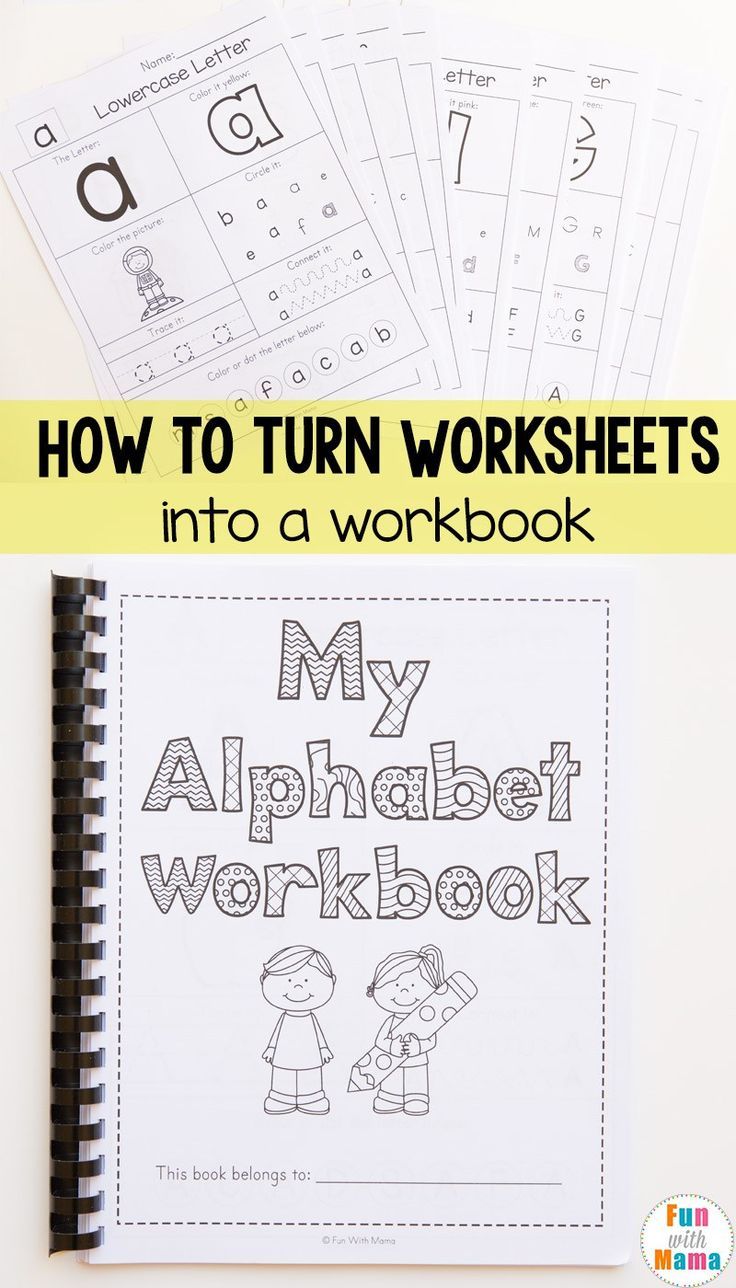
Modern alphabet book worksheets are designed with pedagogical best practices in mind, incorporating multiple learning styles to cater to diverse needs. A typical worksheet will include a combination of visual and interactive elements that work together to reinforce learning. These components are essential for creating a multi-sensory experience that cements knowledge effectively.


Structured Layouts
- Large, clear fonts for easy recognition and tracing.
- Dedicated lines for practicing letter formation without frustration.
- Visual anchors such as images that represent the initial sound of the letter.
Interactive Elements
Beyond simple repetition, high-quality worksheets include activities that require active engagement. Rather than passively looking at a letter, the child might be asked to identify it within a group of other letters, color specific objects, or connect the letter to a word that starts with the same sound. This variety keeps the learning process fresh and prevents boredom.
Benefits for Different Learning Stages
The versatility of these worksheets makes them suitable for a wide range of ages and skill levels. For toddlers, the worksheets might focus on simple recognition and coloring, turning the learning process into a game. For preschoolers and kindergarteners, the worksheets become more demanding, introducing phonics and the concept of writing. This scalability ensures that the resource remains useful as the child progresses through their educational journey.


Integration with Modern Teaching Methods
While the traditional worksheet relies on pen and paper, its role has evolved in the digital age. Many educators now use these printable resources as a complement to interactive apps and online games. The physical act of writing on the worksheet helps develop fine motor skills and muscle memory, which cannot be replicated by tapping a touchscreen. This blend of analog and digital creates a balanced approach to early literacy education.
Selecting the Right Resource
Not all worksheets are created equal, and choosing the right one depends on the specific learning goals. Parents and teachers should look for designs that prioritize clarity over clutter, ensuring the child can focus on the task at hand. The best alphabet book worksheet will strike a balance between instruction and fun, ensuring that the child views learning not as a chore, but as an exciting step toward independence.




Related Articles

Alphabet Tracing Book Kmart: Fun Early Learning Workbook for Kids
Parents and educators navigating the early stages of childhood development often seek tools that are both effective and easily accessible. The alphabet tracing...

A to Z Alphabet Coloring Book PDF: Fun Learning for Kids
The a to z alphabet coloring book PDF has become a foundational resource for parents and educators seeking to blend early literacy with creative expression...

Fun Letter S Worksheets for Preschoolers: Tracing, Coloring & Learning The Alphabet
Letter S worksheets for preschoolers provide a foundational tool for early literacy development. These targeted exercises help young learners recognize the...

Free Letter B Dot Worksheet – Tracing & Coloring Practice for Kids
Parents and educators searching for effective resources to support early literacy development often encounter the search term "letter b dot worksheet free."...

Free Printable Alphabet Coloring Pages for Kids - Fun Learning!
For parents and educators seeking enriching activities for young learners, alphabet pages to color printable resources offer a valuable combination of...

Free Letter F Dot Worksheet for Tracing and Learning
Finding high-quality, no-cost educational resources is a constant priority for parents and educators, and the letter f dot worksheet free option stands out as...