Learn the ABCs in Spanish: Your Essential Guide to the Alfabeto español
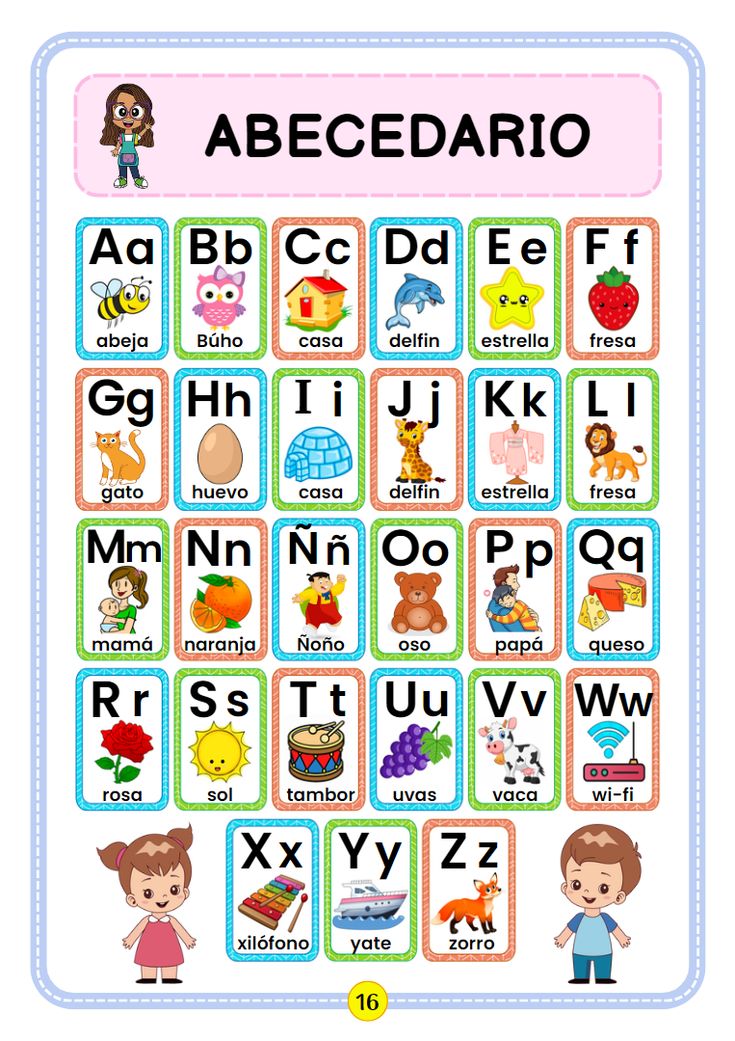
Understanding the abc letters Spanish is often the first step for anyone embarking on the journey of learning Español. While the foundation seems similar to the English alphabet, the nuances of pronunciation, the unique characters, and the rhythmic flow of the language present a fascinating new world. This guide serves as a definitive resource for mastering the Spanish alphabet, ensuring that learners build correct habits from the very beginning.
The Standard Spanish Alphabet and Its Pronunciation
At its core, the Spanish alphabet consists of 27 letters, adding the distinctive Ñ to the standard 26 of the Latin alphabet. Unlike English, where letters often have multiple sounds, Spanish pronunciation is largely phonetic, meaning words are generally written as they are spoken. Each vowel maintains a consistent sound: A as in "father," E as in "bed," I as in "machine," O as in "note," and U as in "rule. This predictability is a significant advantage for learners, as it eliminates the guesswork associated with spelling in English.
Vowels and Consonants: Clarity in Sound
The vowels in the abc letters Spanish are the building blocks of the language, and their purity is essential. Consonants, while largely familiar, have specific articulation points that English speakers must adjust. For instance, the letters C and Z are pronounced with a soft "th" sound (like "think") in Spain due to the Ceceo phenomenon, but a hard "s" sound (like "sun") in Latin America. Understanding these regional variations is crucial for clear communication and demonstrates cultural awareness.


The Significance of the Letter Ñ
Perhaps the most iconic addition to the Spanish alphabet is the Ñ, or "eñe." This letter is not a decorative flourish but a distinct character representing a specific sound, the palatal nasal, as found in the English word "canyon." Treating Ñ as a separate letter, rather than just an N with a tilde, is vital for proper dictionary lookup and accurate spelling. Words like "mañana" (tomorrow) and "señor" (sir) rely on this character to convey their correct meaning and distinguish them from common words.
Navigating Unique Characters and Diacritics
Beyond Ñ, the Spanish alphabet utilizes diacritics to refine pronunciation and stress. The acute accent (´) is used to indicate stress on a syllable other than the default (usually the last) and to distinguish between homographs. For example, the word "sábado" (Saturday) uses an accent to clarify its pronunciation. The Umlaut (¨) appears over the letter U in combinations like "gue" and "gui" to indicate that the U is pronounced, as in "pingüino" (penguin), rather than being silent.


Differences from the English Alphabet
While the abc letters Spanish shares much of the Latin alphabet with English, there are key differences that learners must internalize. The most notable absence is the letter CH, which was historically considered a separate letter in the Spanish alphabet. Although modern alphabetization treats it as a combination of C and H, it remains a distinct sound (a voiceless affricate) essential for speaking like a native. Additionally, the letters K and W are not native to Spanish and are primarily used in words borrowed from English and other languages.
Practical Tips for Mastery
Mastering the Spanish alphabet is more than rote memorization; it is about developing muscle memory and auditory recognition. Practicing the alphabet song specific to Español helps with sequence recall. Furthermore, focusing on the consistent pronunciation rules provides a significant confidence boost. When encountering a new word, the ability to sound it out correctly on the first try is a powerful skill that accelerates reading and speaking proficiency.
Conclusion on Foundational Learning
A solid grasp of the abc letters Spanish is the bedrock of linguistic competence. It allows learners to decode written text, understand spoken language, and build vocabulary with confidence. By paying attention to the unique characters, respecting the consistent pronunciation rules, and appreciating the subtle regional variations, students lay a robust foundation for achieving fluency and appreciating the richness of the Spanish language.


Related Articles

Learn Chinese ABC Letters A to Z: Your Essential Guide to the Chinese Alphabet
Understanding the Chinese ABC from A to Z provides a foundational bridge for anyone entering the world of Mandarin. While the concept of an alphabet is...

Learn the ABC Letters in Korean: Your Essential Guide to Hangul Mastery
Understanding the abc letters in Korean begins with recognizing that the language uses a unique alphabetic system called Hangul. Unlike languages that rely on...

Master Korean ABCs: Your Ultimate A to Z Guide to Hangul Letters
Navigating the intricate structure of the Korean alphabet offers a fascinating window into the linguistic architecture of one of the world's most dynamic...
Master the Spanish Alphabet and Letters: Your Ultimate Guide
The Spanish alphabet serves as the foundational framework for written communication in the Spanish language, comprising 27 letters that blend Latin heritage...
Aprende el Alfabeto Español: Imprimibles de Letras para Niños
Mastering the Spanish alphabet is the essential first step for anyone eager to learn the language, and utilizing alphabet letters in Spanish printables offers...

Trace Letters in Spanish: Ultimate Guide to Mastering the Alfabeto
Mastering the Spanish trace letters, or letras de caligo, is a fundamental step for anyone serious about writing the language with precision and elegance...