Delicious ABC Food Worksheet for Kids – Fun Learning!
Parents and educators seeking effective resources for early childhood development often encounter the abc food worksheet. This specific tool combines two fundamental learning concepts: literacy and nutrition. By merging the alphabet with common food items, it creates a multi-sensory experience for young learners. The simplicity of this approach belies its effectiveness in capturing a child's attention. This method transforms abstract letter shapes into tangible objects children recognize and enjoy. Consequently, it lowers the barrier to entry for phonics and vocabulary acquisition.
The structure of an abc food worksheet is designed to maximize retention and engagement. Typically, each page focuses on a single letter of the alphabet. Next to the letter, a corresponding food item starting with that sound is illustrated. For example, "A" might feature an apple, while "B" showcases a banana or bread. This visual association helps solidify the connection between the phonetic sound and the word. Furthermore, many versions include a small section for tracing the letter, reinforcing muscle memory.
Benefits for Early Learners
Cognitive and Language Development
The primary benefit of the abc food worksheet lies in its ability to support cognitive growth. Children naturally learn through play and association, and this worksheet leverages that instinct. Identifying the food image requires real-world knowledge, while pronouncing the name builds vocabulary. Simultaneously, recognizing the letter shape promotes pre-reading skills. This dual-task processing strengthens neural pathways more effectively than rote memorization alone. The nutritional theme also subtly introduces the concept of healthy eating habits.


Fine Motor Skills and Engagement
Beyond intellectual benefits, the physical act of interacting with the worksheet provides developmental value. Tracing letters, circling correct images, or cutting out food pictures all require precision and control. These actions refine the pincer grasp and hand-eye coordination necessary for writing. The colorful imagery and familiar themes ensure high engagement levels. Children view the activity as a fun puzzle rather than a chore, which encourages sustained focus. This positive interaction with learning materials is crucial for long-term academic success.
Practical Applications
Home and Classroom Use
Versatility is a key strength of the abc food worksheet, making it suitable for both home and educational settings. Parents can use it for quiet time reinforcement or as a preparatory tool before grocery shopping. Teachers can integrate it into a broader lesson plan on health or nutrition. It functions well as an individual activity for assessment or a collaborative task for group learning. The low cost of production allows for unlimited printing, enabling practice without resource constraints.


Supplementary Learning Strategies
To maximize the impact of the worksheet, consider it a starting point rather than a standalone activity. Pairing it with real fruit or flashcards enhances the sensory experience. Encourage the child to spell the word aloud or create a sentence using the food item. You might turn it into a game by timing how quickly they can identify all the "A" foods. This adaptability ensures the tool remains fresh and effective across different learning styles. Ultimately, the abc food worksheet serves as a bridge between the abstract world of letters and the concrete world of objects.


Related Articles

Math Nursery Class Worksheet with Answers PDF – Fun Learning for Kids
Navigating the early stages of a child's education often involves introducing fundamental skills in a stress-free, engaging way. A math nursery class worksheet...

Free Preschool Worksheet Printables – Fun Learning Activities for Kids
For parents and educators navigating the early stages of a child’s academic journey, high-quality preschool worksheet free print resources offer an invaluable...

Free Coloring Worksheet for Nursery PDF – Fun Learning for Little Kids
For educators and parents navigating the early stages of a child's development, securing high-quality, ready-to-use resources is essential. A coloring...

A for Apple B for Ball C for Cat Worksheet – Fun Alphabet Learning for Kids
Mastering the fundamentals of literacy often begins with the simplest of concepts, and the journey from abstract letter to tangible object is one of the most...

Food Safety Coloring Pages: Fun Learning for Kids
Food safety coloring pages present a unique intersection of education and engagement, offering a vibrant tool for teaching children and adults about the...
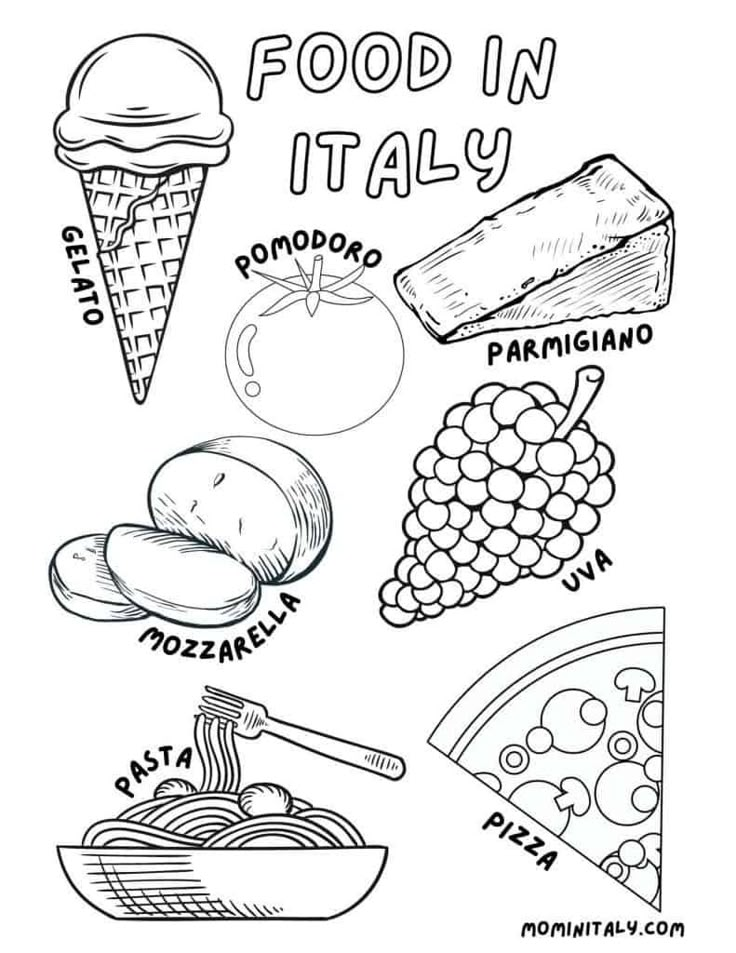
Delicious Italian Food Coloring Pages for Kids
Coloring pages italian food provide a vibrant gateway into the heart of Italy’s culinary culture. This simple activity allows both children and adults to...